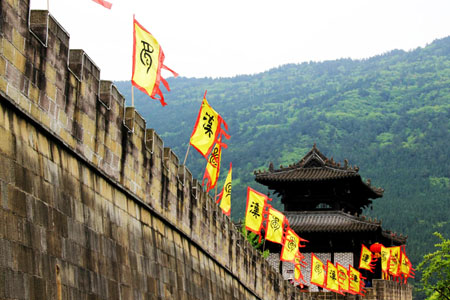
Xinjiang Uyghur Autonomous Region, officially known as the Xinjiang Uygur Autonomous Region, is the largest provincial-level administrative region in China by land area. Covering approximately 1/6 of China’s total territory, Xinjiang is a vast destination featuring magnificent mountains, endless deserts, ancient Silk Road heritage, diverse ethnic cultures, and breathtaking natural landscapes.
The capital city of Xinjiang is Urumqi, a modern city located in the heart of the region and an important gateway for travelers exploring western China.
Geography and Natural Wonders of Xinjiang
With a total area of more than 1.66 million square kilometers, Xinjiang is known for its extraordinary geographical diversity. The region contains:
* Snow-covered mountains
* Vast grasslands
* Gobi deserts
* Alpine lakes
* Forests and valleys
* Ancient oases along the Silk Road
From the majestic Tianshan Mountains to the mysterious deserts of the Tarim Basin, Xinjiang offers some of the most dramatic landscapes in China.
The region also has one of China’s longest international borders, connecting with several countries in Central Asia, making Xinjiang an important cultural and economic crossroads between East and West.
History of Xinjiang
Xinjiang has been an important part of Chinese history for more than two thousand years. During the Han Dynasty, many areas of present-day Xinjiang were incorporated into China’s territory and became a key region along the ancient Silk Road.
Throughout history, Xinjiang experienced exchanges among different civilizations and was influenced by various cultures. In 1757, during the reign of Emperor Qianlong of the Qing Dynasty, the region was brought under unified administration again. The name “Xinjiang” means “newly returned territory”, reflecting its historical restoration to the Qing Empire.
In 1884, Xinjiang was officially established as a province during the late Qing Dynasty. In 1955, it became the Xinjiang Uygur Autonomous Region.
Multicultural Heritage and Ethnic Traditions
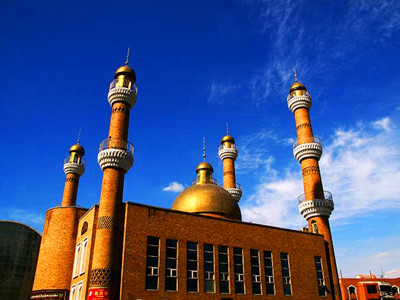
Xinjiang is one of China’s most culturally diverse regions and has long been home to many ethnic groups. The region is known for its colorful traditions, distinctive music and dance, unique architecture, and rich culinary culture.
Major ethnic groups in Xinjiang include:
* Uyghur
* Han
* Kazakh
* Hui
* Kyrgyz
* Mongolian
* Xibe
* Tajik
* Uzbek
* Manchu
* Daur
* Russian
* Tatar
The interaction of different cultures has created Xinjiang’s unique identity, reflected in its festivals, handicrafts, traditional songs, dances, and local cuisine.
Xinjiang: Land of Songs, Fruits, Gold, and Jade
Xinjiang is often described as:
* The homeland of songs and dances
* The land of melons and fruits
* The region of gold and jade
Thanks to its abundant sunshine and unique climate, Xinjiang produces famous agricultural products such as grapes, melons, apricots, and other fruits. The region is also rich in natural resources, including precious stones and minerals.
Top Tourist Attractions in Xinjiang
Xinjiang offers some of China’s most spectacular travel experiences. Popular destinations include:
Kanas Lake
A breathtaking alpine lake surrounded by forests and snow-covered mountains, famous for its changing colors and beautiful autumn scenery.
Loulan Ancient City
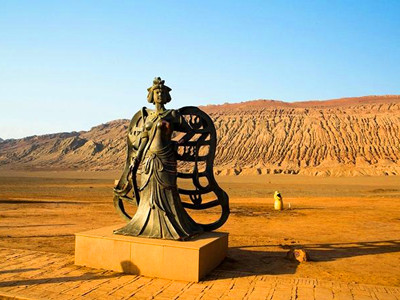
A mysterious ancient city site along the Silk Road, offering insight into the history of desert civilizations.
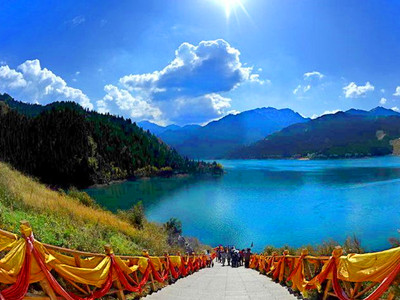
Tianchi Lake
A stunning alpine lake located among the Tianshan Mountains, known for its clear waters and spectacular mountain views.
Other highlights include:
* Keketuohai Scenic Area
* Turpan Basin
* Nalati Grassland
* Kashgar Old City
Best Time to Visit Xinjiang
Xinjiang is a year-round destination, but the best travel seasons are:
Spring (April–May)
* Blooming flowers
* Pleasant weather
* Ideal for southern Xinjiang cultural tours
Summer (June–August)
* Green grasslands
* Alpine scenery
* Perfect for mountain and lake exploration
Autumn (September–October)
* Golden forests
* Harvest season
* The most popular time for photography
Winter (November–March)
* Snow landscapes
* Skiing and winter experiences
Why Visit Xinjiang?
Xinjiang is a destination where nature, history, and culture meet. Travelers can experience:
* Grand desert landscapes
* Snowy mountain scenery
* Ancient Silk Road history
* Unique ethnic traditions
* Local food and festivals
* Some of China’s most spectacular natural wonders
With its immense landscapes and rich cultural heritage, Xinjiang is one of the most fascinating regions for travelers seeking an unforgettable journey through western China.