 The Flaming Mountains are one of the most iconic natural attractions in Xinjiang. Famous for their extreme heat, striking red rock formations, and connection with the classic Chinese novel Journey to the West, the Flaming Mountains combine dramatic landscapes with rich cultural heritage.
Known as one of the hottest places in China, the mountains offer visitors a unique experience of the harsh yet fascinating environment of the Turpan Basin.
Location and Geography of Flaming Mountains
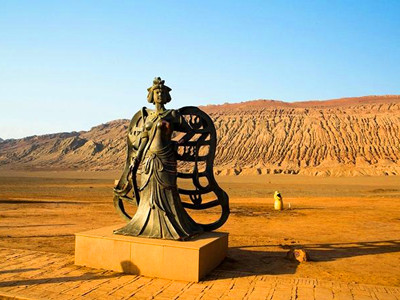
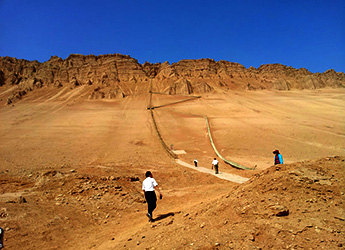
Located along the northern edge of the Turpan Basin, the Flaming Mountains stretch about 10 kilometers north of Turpan city. The mountain range extends approximately 100 kilometers from east to west and around 10 kilometers from south to north, running from Liusha River in Shanshan County in the east to Peach Valley in the west.
The mountains have an average elevation of about 500 meters, while the highest point, Shengjinkou Peak, reaches 831 meters above sea level. Made mainly of bare red sandstone, the mountains are almost completely free of vegetation, creating a dramatic desert landscape.
In ancient Chinese literature, the Flaming Mountains were known as the Red Rock Mountain, while local Uyghur people call them Keziletage, meaning “Red Mountain.”
Geologists believe the Flaming Mountains were formed millions of years ago through geological movements and volcanic activity. Over time, wind and water erosion carved deep valleys and unusual landforms across the mountain slopes, creating today’s rugged appearance.
Flaming Mountains and the Legend of Journey to the West
The Flaming Mountains gained worldwide recognition through the famous Chinese novel Journey to the West and its many television adaptations.
According to the story, the Monkey King (Sun Wukong) helped his master Tang Monk cross the burning mountains on their journey to obtain Buddhist scriptures. To overcome the flames, Sun Wukong borrowed the magical Banana Leaf Fan from Princess Iron Fan to extinguish the fire.
Today, many travelers visiting Turpan come to experience the legendary landscape described in this classic tale and explore the places associated with this famous adventure.
 Extreme Heat and Unique Natural Phenomenon
The Flaming Mountains are famous for their intense summer heat. During July, temperatures can reach around 47.8°C, while surface temperatures of the exposed sandstone may exceed 70°C.
Under the strong desert sunlight, the reddish-brown rocks become extremely hot. Heat waves rise from the ground, creating the illusion of flames moving across the mountains, which inspired the name “Flaming Mountains.”
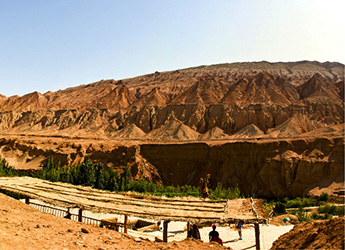
Despite the harsh environment, the region is not simply a barren desert. Hidden valleys formed through ancient geological processes contain abundant vegetation and create surprising contrasts with the surrounding rocky landscape.
Green Oases Around Flaming Mountains
Several valleys around the Flaming Mountains provide refreshing green landscapes and showcase the diversity of Turpan’s natural environment.
Grape Valley
The most famous of these valleys is Grape Valley, known for producing some of the finest grapes in China. The lush vineyards, traditional grape drying houses, and cool valley climate create a beautiful contrast with the dry red mountains nearby.
Other Scenic Valleys
Other notable valleys include:
* Peach Valley – famous for its fruit trees and peaceful scenery.
* Wood Valley – known for its natural vegetation.
* Shengjinkou Valley – an important pass with historical significance.
These green valleys transform the Flaming Mountains into a destination where desert landscapes and oasis culture exist side by side.
With its legendary stories, extreme climate, geological wonders, and nearby oasis villages, the Flaming Mountains are an essential stop for travelers exploring Turpan and the ancient Silk Road.