Located on the southeastern edge of the Tarim Basin and north of the Altun Mountains, Qiemo County is an ancient oasis destination surrounded by deserts, mountains, and historic Silk Road landscapes.
Qiemo borders Ruoqiang County to the east, Minfeng County to the west, and the Tibet Autonomous Region to the south and west. Located approximately 1,270 kilometers south of Urumqi, Qiemo is one of the most remote destinations in southern Xinjiang, offering travelers a unique combination of desert scenery, ancient civilization, and traditional architecture.
History of Qiemo: An Ancient Kingdom Along the Silk Road
Qiemo has a long history dating back to the ancient Western Regions. The area was once one of the 36 city kingdoms of the Western Regions, an important network of oasis states along the ancient Silk Road.
Like the famous ancient settlements of Loulan Ancient City and Niya Ruins, ancient Qiemo represents the rise and decline of desert civilizations that once flourished through trade and cultural exchange.
Today, Qiemo attracts adventurous travelers interested in archaeology, Silk Road history, and remote desert landscapes.
Major Attractions in Qiemo
1. Qiemo Old City: Traces of an Ancient Desert Kingdom
Qiemo Old City Ruins is located approximately 6 kilometers southwest of downtown Qiemo at an altitude of about 1,273 meters.
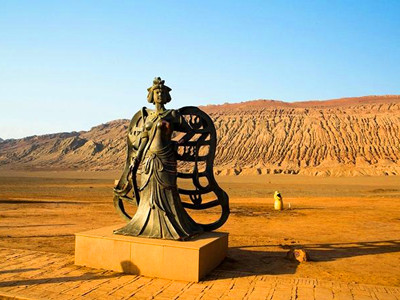
The site is now a desert archaeological area with little vegetation, reflecting the harsh environment and gradual desertification that transformed the region over centuries.
Visitors can explore:
* Ancient city remains
* Desert archaeological landscapes
* Historical traces of Silk Road civilization
The ruins provide a fascinating glimpse into the ancient oasis kingdoms that once connected China with Central Asia.
2. Qiemo Museum: Discover Local History and Heritage
Qiemo Museum preserves and displays cultural relics discovered in the Qiemo region.
The museum helps visitors understand:
* Ancient Silk Road history
* Local archaeological discoveries
* Traditional culture of southern Xinjiang
It is a valuable stop before visiting the surrounding historical sites.
3. Toghrakiek Manor: A Historic Uyghur Architectural Site
Located in Togelakele Township, approximately 2.5 kilometers west of Qiemo city, Toghrakiek Manor is an important example of traditional local architecture.
The manor was originally built in 1911 and covers a construction area of approximately 780 square meters. It once belonged to the largest landlord in the region.
The remaining structure includes:
* 11 rooms
* 2 corridors
* Earth-and-wood construction
* Decorative traditional architectural details
The manor provides insight into the social history and residential architecture of southern Xinjiang in the early 20th century.
Transportation to Qiemo
By Bus
Qiemo Bus Station provides connections to several major destinations in southern Xinjiang, including:
* Minfeng County
* Kashgar
* Ruoqiang County
Because of its remote location, Qiemo is often included as part of a southern Xinjiang road journey.
Best Time to Visit Qiemo
Spring (April–May)
* Comfortable temperatures
* Good for desert exploration
Autumn (September–October)
* Mild weather
* Ideal for visiting ruins and outdoor photography
Summer (June–August)
* Very hot during the day
* Suitable for experienced desert travelers
Winter (November–February)
* Cold and dry
* Fewer visitors and quieter landscapes
Why Visit Qiemo?
Qiemo is a destination for travelers seeking a deeper exploration of Xinjiang beyond the famous attractions. It offers:
* Ancient Silk Road history
* Desert archaeology
* Remote oasis culture
* Traditional architecture
* Unique southern Xinjiang landscapes
For history enthusiasts and adventure travelers, Qiemo provides an authentic journey into the forgotten kingdoms of the ancient Western Regions.