Located west of the Taklamakan Desert at the foot of the Tianshan Mountains, Kashgar (Kashi) is the cultural and historical heart of southern Xinjiang. As one of the most important stops on the ancient Silk Road, Kashgar has been a crossroads connecting China, Central Asia, and South Asia for more than two thousand years.
Known for its strong Islamic heritage, traditional Uyghur culture, and vibrant bazaars, Kashgar is widely regarded as the highlight of a Southern Xinjiang journey. It is the largest oasis city in Chinese Central Asia and serves as the administrative center of Kashgar Prefecture, which includes one county-level city and eleven counties.
From ancient streets and historic mosques to colorful markets and spectacular mountain landscapes, Kashgar offers travelers a unique combination of history, culture, and natural beauty.
Major Attractions in Kashgar
1. Abakh Khoja Tomb
The Abakh Khoja Tomb is one of the most famous Islamic architectural landmarks in Xinjiang. Built in the 17th century, it was the family cemetery of Abakh Khoja, a prominent Islamic leader in the Kashgar region.
The tomb is also popularly known in China as the Tomb of Xiang Fei (Fragrant Concubine), referring to the legendary Uyghur woman who became a consort of Emperor Qianlong during the Qing Dynasty (1644–1911). Her romantic story has attracted visitors from China and abroad.
With its elegant domes, colorful glazed tiles, and traditional Islamic design, the tomb is considered one of the best-preserved Islamic architectural complexes in Xinjiang and Central Asia.
2. Id Kah Mosque
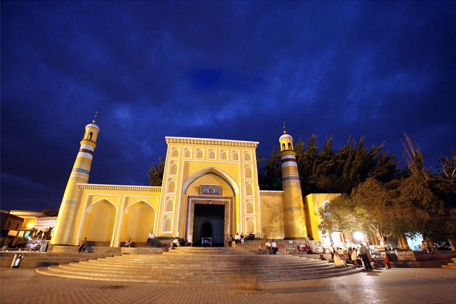
Located in the center of Kashgar, Id Kah Mosque is the largest mosque in China and one of the most important religious sites for Muslims in the country.
Originally built in the 15th century, the mosque was constructed by Saqsiz Mirza around 1442. Its impressive yellow-brick façade, large prayer hall, and spacious courtyard reflect traditional Islamic architectural styles.
Every Friday, thousands of worshippers gather here for religious services, creating a powerful cultural atmosphere.
3. High Platform Residential Area (Old Kashgar Town)
The High Platform Residential Area preserves the traditional appearance of old Kashgar. Built on a natural yellow-earth slope, the neighborhood features narrow lanes, traditional earthen houses, and workshops that reflect the city’s long history.
Many houses have been passed down through generations for 300–400 years, offering visitors a glimpse into traditional Uyghur lifestyles. The unique adobe architecture and handmade crafts make this area one of Kashgar’s most distinctive cultural attractions.
4. Grand Bazaar and Sunday Livestock Market
The Kashgar Grand Bazaar is one of the best places to experience the daily life and commercial traditions of southern Xinjiang.
For centuries, Kashgar has been an important trading center along the Silk Road, and the bazaar continues this tradition with colorful displays of:
* Local handicrafts
* Carpets
* Traditional clothing
* Spices
* Dried fruits
* Jewelry
The Sunday Livestock Market is another fascinating attraction, where locals gather to trade sheep, cattle, and other livestock. It provides an authentic view of traditional market culture in Kashgar.
5. Karakul Lake
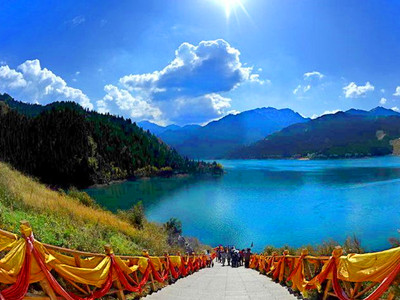
Located about 190 kilometers from Kashgar along the Karakoram Highway, Karakul Lake is one of the most spectacular alpine lakes on the Pamir Plateau.
Situated at an altitude of around 3,600 meters, the lake is surrounded by some of the highest mountains in Xinjiang, including:
* Muztagh Ata Mountain (7,546 m)
* Kongur Mountain (7,649 m)
The snow-covered peaks, grasslands, grazing animals, and crystal-clear waters create a breathtaking landscape. Visitors can stay in local yurts or nearby accommodations and enjoy sunrise and sunset views over the mountains.
Transportation
Kashgar is an important transportation hub in southern Xinjiang.
By Air
There are daily flights connecting Kashgar and Urumqi, making air travel the fastest way to reach the city.
By Train
Regular trains operate between Kashgar and Urumqi, offering a convenient and scenic alternative.
By Road
Buses connect Kashgar with major destinations in Xinjiang. Long-distance buses to Pakistan are also available, especially along the Karakoram Highway route.
Getting Around Kashgar
Within the city, travelers can use:
* Taxis
* Public buses
* Bicycles