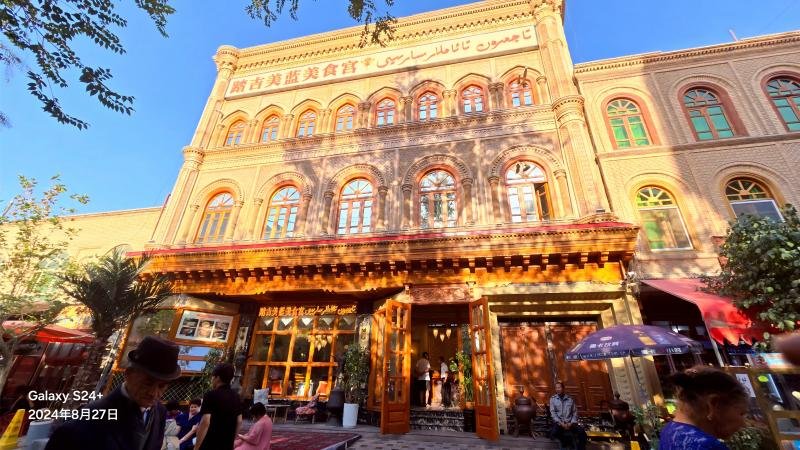
 Kashgar, meaning “Jade City,” is one of the most historically significant cities in Xinjiang and an important crossroads of the ancient Silk Road. Located at the western edge of China near the borders of Central Asia, Kashgar served as a vital trading hub where the northern and southern routes around the Taklimakan Desert met.
For centuries, Kashgar has connected China with Central Asia, South Asia, and beyond. Its unique geographical location has created a fascinating blend of cultures, traditions, architecture, and ethnic customs, making it one of the most attractive destinations in Xinjiang.
Kashgar Old Town – The Soul of Ancient Kashgar
Located in the heart of Kashgar city, Kashgar Old Town is the best place to experience the history, culture, and traditional lifestyle of the region. There is a popular saying among travelers:
“If you have not visited Kashgar, you have not truly visited Xinjiang; if you have not explored Kashgar Old Town, you have not truly experienced Kashgar.”
The old town preserves the traditional appearance of an ancient Western Regions city, with narrow streets, winding alleys, traditional courtyards, and distinctive Uyghur architectural styles.
The streets and lanes are arranged in a maze-like pattern, with paths leading through peaceful residential neighborhoods and lively markets. Many traditional houses are built with earth, brick, and wood structures, and some have a history of more than 100 years.
As one of the best-preserved traditional urban areas in China, Kashgar Old Town provides visitors with an authentic glimpse into the daily life and cultural heritage of the ancient Silk Road.
The famous film “The Kite Runner” also used locations in Kashgar Old Town, further introducing its unique scenery and atmosphere to international audiences.
 Traditional Architecture and Uyghur Culture
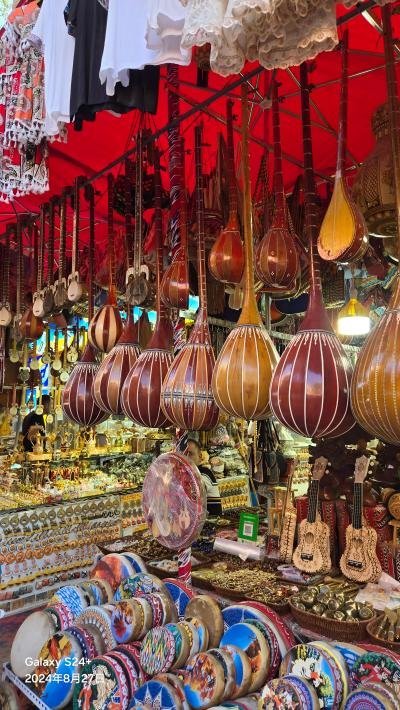
Kashgar Old Town is not only a historical district but also an important center for the preservation of Uyghur intangible cultural heritage.
The traditional streets are filled with workshops, markets, and family businesses where visitors can discover centuries-old craftsmanship, including:
* Uyghur musical instruments
* Traditional flower hats
* Copperware craftsmanship
* Wood carving
* Brick carving
* Handmade textiles
* Traditional medicine
* Local food culture
Walking through the old streets, visitors can experience the sounds, colors, and flavors of traditional Xinjiang life.
Kashgar Handicraft Streets
One of the highlights of Kashgar Old Town is its famous handicraft area, where traditional artisans continue their ancient crafts.
The Handicraft Street (Kumdarvaza Road) is home to many workshops, including:
* Uyghur traditional musical instrument makers
* Copperware craftsmen
* Wooden steamer producers
* Wood carving workshops
* Cotton processing workshops
Visitors can watch skilled craftsmen create beautiful handmade products using techniques passed down through generations.
The streets also showcase exquisite Uyghur brick carving art, an important architectural feature that reflects the creativity and artistic achievements of local craftsmen.
Baraza Street – A Cultural Experience
The old town’s cultural street area consists of several traditional market sections, each featuring different crafts and local products, including:
* Flower pot workshops
* Wood processing shops
* Traditional medicine stores
* Flower hat shops
These lively streets demonstrate the diversity of Kashgar’s traditional economy and offer visitors opportunities to purchase unique souvenirs and experience authentic local culture.
Why Visit Kashgar Old Town?
Kashgar Old Town is more than a tourist attraction—it is a living museum of the Ancient Silk Road civilization. Its historic streets, traditional homes, vibrant markets, and rich Uyghur culture make it one of the most unforgettable destinations in Xinjiang.
For travelers interested in history, Silk Road heritage, photography, architecture, and ethnic culture, Kashgar Old Town offers a rare opportunity to experience the atmosphere of an ancient trading city that has connected East and West for more than two thousand years.