Located in the northern part of Xinjiang Uyghur Autonomous Region, Ili Kazakh Autonomous Prefecture is the only Kazakh autonomous prefecture in China. Known as the “Jiangnan of Xinjiang” for its fertile land, pleasant climate, and beautiful scenery, Ili is famous for its vast grasslands, flowering valleys, snow-capped mountains, and rich Kazakh culture.
The administrative center of Ili is Yining City, which serves as an important transportation hub and gateway for exploring western Xinjiang.
 Natural Beauty of Ili
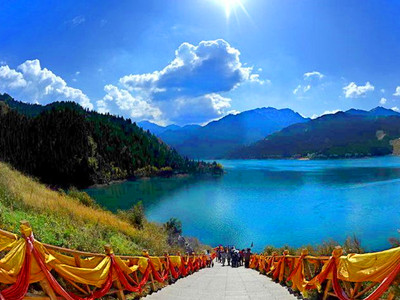
Surrounded by the magnificent Tianshan Mountains, Ili Valley is one of the most fertile regions in Xinjiang. The area is blessed with abundant water resources, including the famous Ili River and its major tributaries, the Kashi River, Kunes River, and Tekes River.
The combination of mountains, rivers, forests, and grasslands creates a diverse landscape that changes beautifully with every season.
Major Attractions in Ili
1. Fruit Valley: A Natural Garden of Xinjiang
The Fruit Valley is a beautiful natural valley stretching for approximately 28 kilometers along the general direction of the Urumqi–Yining Highway.
Known as a natural botanical treasure house, the valley is home to abundant wild plants, including:
* Wild fruit trees
* Apricot trees
* Rare tree species
* Colorful wildflowers
* Traditional herbs
The scenery of Fruit Valley changes throughout the year:
Spring
* Wild flowers bloom across the valley
* Apricot blossoms create a romantic landscape
Summer
* Lush vegetation covers the mountains and valleys
Autumn
* Fruits ripen and the valley turns golden
Winter
* Snow-covered mountains create a peaceful alpine scene
Fruit Valley is an ideal destination for nature lovers, photographers, and travelers seeking a quiet escape.
2. Narat Grassland: The Pearl of the Tianshan Mountains
Nalati Grassland is one of the most famous grasslands in Xinjiang. Located in the eastern part of Ili Valley, the grassland stretches approximately 180 kilometers from east to west along the river valley surrounded by the Tianshan Mountains.
The Kunes River, the upper reaches of the Ili River, flows through the grassland, creating a beautiful landscape of rivers, meadows, forests, and snow-covered peaks.
At an altitude of around 1,800 meters, Narat Grassland is a typical alpine meadow and river valley grassland. The fertile black soil beneath the grasslands provides ideal conditions for vegetation growth. During summer, the grass can reach 70–90 centimeters in height, creating a vast green carpet across the valley.
 Kazakh Culture on Narat Grassland
Narat Grassland is traditionally inhabited by the Kazakh people, whose nomadic culture remains an important part of the region’s identity.
Visitors can experience:
* Traditional Kazakh yurts
* Horse riding
* Local music and dance
* Pastoral lifestyle
* Traditional food and hospitality
The contrast between endless grasslands, grazing animals, and snow-covered mountains makes Narat one of the most iconic landscapes in Xinjiang.
Transportation to Ili
By Air
Yining Airport provides flights connecting Ili with major cities, including Urumqi. The flight from Urumqi to Yining takes approximately two hours.
By Road
The Wu-Yi Highway connects Yining with Shihezi and Urumqi, making road travel convenient.
Long-distance buses also operate between Yining and destinations such as:
* Kuqa
* Korla
* Other areas of Xinjiang
Best Time to Visit Ili
Spring (April–May)
* Apricot blossoms in Fruit Valley
* Fresh green landscapes
Summer (June–August)
* Best season for Narat Grassland
* Green meadows and outdoor activities
Autumn (September–October)
* Golden grasslands
* Beautiful photography conditions
Winter
* Snow-covered mountain scenery
* Quiet pastoral landscapes
Why Visit Ili?
Ili offers a perfect combination of:
* Majestic Tianshan mountain scenery
* Vast alpine grasslands
* Beautiful river valleys
* Kazakh nomadic culture
* Seasonal natural landscapes
For travelers exploring Xinjiang, Ili is one of the most rewarding destinations, offering an unforgettable experience of western China’s natural beauty and cultural diversity.