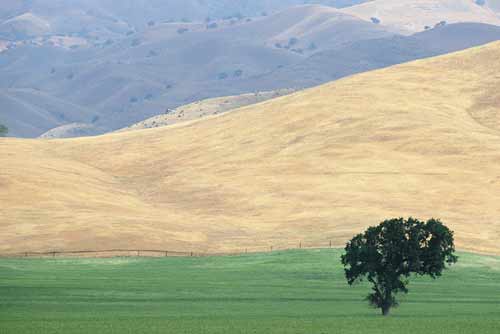
 The Gobi Desert is one of the world’s most famous deserts, stretching across northern China and southern Mongolia. As the largest desert in Asia and the fourth-largest desert in the world, the Gobi is known for its vast landscapes, extreme climate, ancient Silk Road history, and remarkable fossil discoveries.
Unlike the image of a typical sandy desert, much of the Gobi consists of rocky plains, gravel fields, and dry valleys. Its dramatic scenery and unique environment make it an important destination for adventure travelers, photographers, and history enthusiasts.
Geography and Climate of the Gobi Desert
The Gobi Desert extends across several regions of northern China, including parts of Inner Mongolia, Gansu, and Xinjiang, as well as southern Mongolia.
The desert remains extremely dry because the surrounding mountain ranges, especially the Himalayas, block moist air currents from reaching the region. This creates a rain-shadow effect, resulting in very limited rainfall throughout the year.
Despite being a desert, the Gobi does not always have a hot climate. Located at an average elevation of more than 500 meters above sea level, it experiences large temperature differences between seasons.
Climate features include:
* Very cold winters with frost and occasional snow
* Hot summers with strong sunlight
* Large daily temperature variations
* Dry winds and clear skies
Summer temperatures can rise significantly, while winter conditions can become severe, making the Gobi one of the most unusual deserts in the world.
Gobi Desert and Ancient History
For thousands of years, the Gobi Desert played an important role along the ancient Silk Road. Although the environment was harsh, ancient traders, travelers, and explorers crossed the desert to connect China with Central Asia and beyond.
The desert contains many historical and cultural sites, including ancient settlements, Buddhist caves, and ruins related to Silk Road trade.
Famous destinations near the Gobi region include:
* Mogao Caves – a world-famous Buddhist art complex along the Silk Road
* Yumen Pass – an ancient gateway of the Silk Road
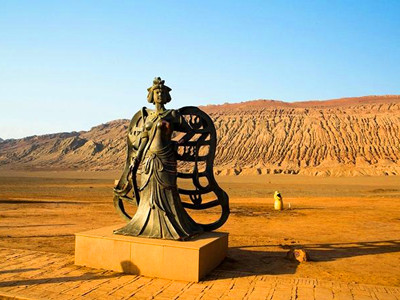
* Yadan National Geological Park – a spectacular wind-eroded desert landscape
A Treasure House of Fossils
The Gobi Desert is internationally famous among paleontologists for its extraordinary fossil discoveries.
During the 20th century, numerous important fossils were discovered in the region. Research expeditions uncovered:
* Dinosaur fossils
* Ancient mammal remains
* Primitive reptile fossils
* Fossilized eggs
* Remains of extinct animals dating back more than 100 million years
The Gobi became one of the world’s most important locations for studying prehistoric life. Discoveries here have greatly improved scientists’ understanding of dinosaurs and early mammals.
Exploring the Gobi Desert
Today, the Gobi Desert attracts travelers seeking unique landscapes and adventure experiences.
Popular activities include:
* Desert photography
* Camel trekking
* Visiting ancient Silk Road sites
* Stargazing under clear desert skies
* Exploring geological formations
* Experiencing nomadic culture
The vast horizons, dramatic rock formations, and untouched wilderness create a powerful sense of solitude and exploration.
Why Visit the Gobi Desert?
The Gobi Desert is more than an empty landscape. It is a place where nature, history, and science come together.
Visitors can discover:
* One of Asia’s greatest natural landscapes
* Ancient Silk Road civilizations
* Rare geological formations
* World-famous dinosaur fossil sites
* Traditional nomadic culture
From endless desert plains to prehistoric discoveries hidden beneath the surface, the Gobi Desert remains one of China’s most fascinating natural wonders.