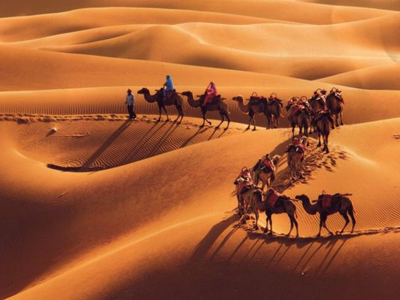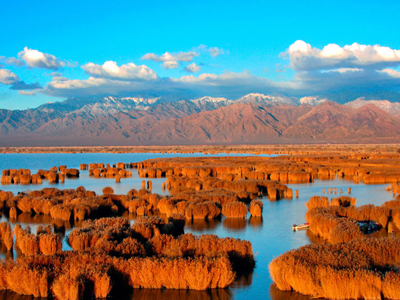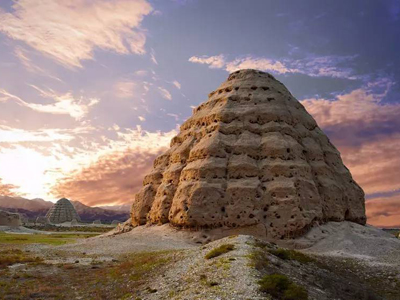
Located in Qingtongxia City, Ningxia Hui Autonomous Region, Qingtongxia Tourist Area is a famous scenic destination centered around the spectacular Qingtongxia Dam on the Yellow River. Combining river landscapes, ancient irrigation culture, religious heritage, and ethnic traditions, the area offers visitors a unique experience of northwest China’s history and natural beauty.
The scenic area covers approximately 84 square kilometers and enjoys convenient transportation connections, with the Baoji–Lanzhou Railway, Datong–Guyuan Railway, and National Highway 109 passing nearby.
Qingtongxia Dam — A Major Water Conservancy Project on the Yellow River
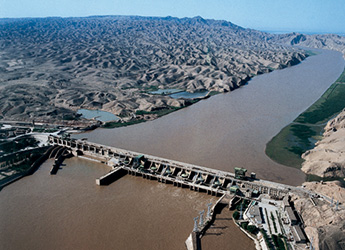
The Qingtongxia Dam is one of the important water conservancy projects along the Yellow River in Ningxia. Located in Qingtongxia City, the dam has played a significant role in irrigation, flood control, and agricultural development in the region.
A major irrigation canal branches from the Yellow River near the dam and extends northward, supporting the fertile farmland of the Ningxia Plain.
Visitors can enjoy a scenic tour along the Yellow River, admire the impressive dam structure, and learn about the important role of water management in the development of Ningxia.
Ancient History and Cultural Attractions
With a history spanning thousands of years, Qingtongxia has preserved many important historical and cultural sites, including:
* 108 Lamaist Stupas
* Ancient Yellow River irrigation canals
* Bird Island
* Temples on Niushou Mountain
* Qing Dynasty Great Wall sections
These attractions showcase the diverse cultural heritage of the region, combining Buddhist traditions, ancient engineering achievements, and local ethnic customs.
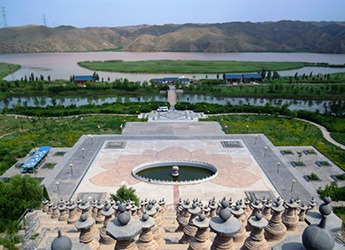 108 Lamaist Stupas — A Unique Buddhist Pagoda Complex
The 108 Lamaist Stupas are the most famous cultural landmark in Qingtongxia. Located about 20 kilometers south of Qingtongxia City, this remarkable pagoda complex consists of 108 white brick stupas arranged on a hillside.
The exact construction date remains uncertain, but historical research suggests the complex has a history of at least 900 years.
The pagodas are arranged in a unique triangular formation with 12 rows, following an unusual numerical pattern from top to bottom:
1, 3, 3, 5, 5, 7, 9, 11, 13, 15, 17, and 19
The tallest pagoda stands at the top, while the remaining stupas gradually decrease in height. This distinctive layout makes the 108 Lamaist Stupas one of the most unique pagoda groups in China and an important example of Tibetan Buddhist architecture.
Experience Yellow River Culture in Ningxia
A visit to Qingtongxia allows travelers to explore the relationship between the Yellow River and the development of Ningxia civilization. Visitors can admire the landscapes beyond the Qing Dynasty Great Wall, experience the customs of the local Hui ethnic group, and discover one of China’s important water conservation projects.
With its combination of river scenery, ancient architecture, Buddhist heritage, and local culture, Qingtongxia Dam Scenic Area is an excellent destination for travelers exploring Ningxia.