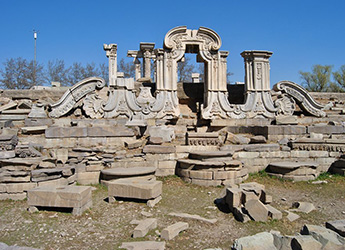
Located near the Summer Palace in Beijing, Yuanmingyuan Imperial Garden (Garden of Perfect Splendor) was once one of the most magnificent royal gardens in Chinese history. Known as the “Old Summer Palace,” Yuanmingyuan was celebrated worldwide for its extraordinary landscape design, architectural beauty, and priceless cultural collections.
Built during the Qing Dynasty, Yuanmingyuan represented the highest achievement of traditional Chinese imperial gardens. It combined natural scenery, palace architecture, artistic design, and cultural treasures, making it one of the most remarkable garden complexes in the world.
A Masterpiece of Chinese Imperial Garden Design
Yuanmingyuan consisted of three major garden areas:
* Yuanmingyuan (Garden of Perfect Splendor)
* Changchunyuan (Garden of Eternal Spring)
* Qichunyuan (Garden of Blossoming Spring)
Covering an area of approximately 350 hectares, the garden inherited the artistic traditions of classical Chinese landscape design while incorporating elements from different cultures.
The garden featured:
* Magnificent palace buildings
* Traditional Chinese gardens
* Southern China-style landscapes
* European-inspired garden architecture
Nearly half of the garden was covered by rivers and lakes, creating a beautiful environment of waterways, islands, bridges, pavilions, and corridors. The carefully designed scenery combined natural beauty with human creativity, making Yuanmingyuan a masterpiece of garden art.
 Yuanmingyuan – A Treasure House of Chinese Culture
Beyond its beautiful landscapes, Yuanmingyuan was also famous as one of the greatest collections of cultural treasures in China.
The garden once housed countless precious objects, including:
* Rare artworks
* Ancient books
* Royal furniture made from precious red sandalwood
* Historical documents
* Cultural relics
Among the most valuable collections were important works such as:
* Complete Library of the Four Branches of Books (Siku Quanshu)
* Gems of the Complete Library of the Four Branches of Books
* Complete Collection of Ancient and Modern Illustrations and Writings
Because of its extraordinary collections and artistic value, Yuanmingyuan was often described as one of the largest museums in the world during its golden age.
The Destruction of Yuanmingyuan and Historical Legacy
Unfortunately, the glory of Yuanmingyuan came to a tragic end during the Second Opium War. In 1860, Anglo-French forces entered Beijing and the garden was looted and destroyed by fire.
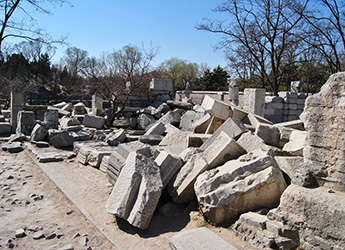
Afterward, Yuanmingyuan suffered further damage during periods of war and political instability. The once magnificent imperial garden gradually became a symbol of historical tragedy and the loss of China’s cultural heritage during a turbulent period.
Today, the remaining ruins serve as an important historical reminder and a place for visitors to reflect on the past.
Yuanmingyuan Ruins Park Today
After the founding of the People’s Republic of China, the Yuanmingyuan ruins received protection and preservation efforts from the government. Large-scale restoration projects, including ecological improvement and reforestation, have gradually transformed the area.
Today, Yuanmingyuan Ruins Park has become an important historical and cultural attraction in Beijing. Rather than rebuilding the original garden completely, the site preserves the ruins to maintain their historical significance.
Several scenic areas are open to visitors, including:
* Fuhai Scenic Area
* Eastern Qichunyuan Area
* European Palaces of Changchunyuan
Visitors can explore the remaining stone structures, peaceful landscapes, and historical exhibits while learning about the rise and fall of one of China’s greatest imperial gardens.
Why Visit Yuanmingyuan Imperial Garden?
Yuanmingyuan offers travelers a unique experience combining history, architecture, culture, and reflection. Unlike restored imperial sites, the ruins of Yuanmingyuan allow visitors to see the traces of the past and understand an important chapter of Chinese history.
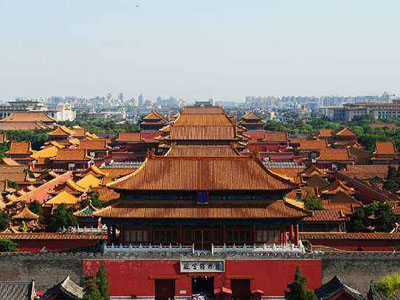
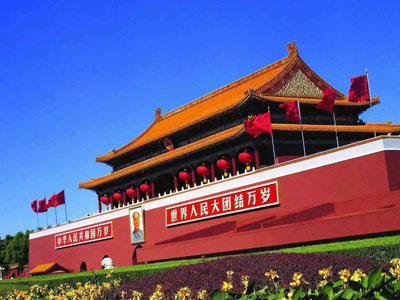
For travelers exploring Beijing’s historical attractions, Yuanmingyuan is a meaningful destination that complements nearby sites such as the Summer Palace and the Forbidden City.
A visit to Yuanmingyuan provides not only beautiful scenery but also a deeper understanding of Chinese imperial culture, garden art, and historical heritage.