Located west of Panjiayuan Bridge and south of Beijing’s East Third Ring Road, Panjiayuan Antique Market is one of the most famous antique markets in Beijing. With convenient transportation and a wide variety of cultural products, it has become a popular destination for both domestic and international visitors interested in Chinese history, antiques, arts, and traditional crafts.
Known as one of the most affordable antique markets in Beijing, Panjiayuan Antique Market attracts travelers who come not only to shop but also to experience the unique atmosphere of traditional Chinese culture. Whether you are sightseeing, browsing interesting stalls, or searching for collectible items, the market offers something for everyone. It has even attracted famous international visitors, including former U.S. First Lady Hillary Clinton.
Covering an area of approximately 4.85 hectares, Panjiayuan Antique Market is home to more than 3,000 stalls, making it the largest antique market of its kind in China and one of the largest in Asia. The market is a paradise for bargain hunters, with countless vendors offering similar products and opportunities to discover unique souvenirs. However, visitors should be aware that distinguishing authentic antiques from replicas can be difficult, especially without professional knowledge.
Originally operating only on weekends, Panjiayuan Antique Market has undergone improvements and is now open seven days a week. However, weekends, especially Saturdays and Sundays, remain the best time to visit because the market is livelier and more stalls are open.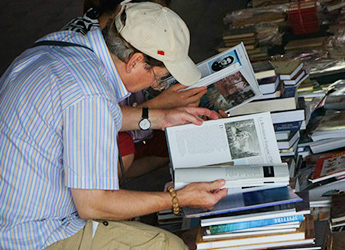
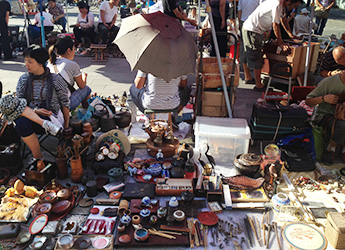
The market specializes in a wide range of secondhand goods, antiques, handicrafts, and cultural treasures. Visitors can find antique-style furniture, traditional Chinese paintings, old books, jade and agate ornaments, ceramics, ancient Chinese and foreign coins, bamboo and animal bone carvings, shadow puppets, and colorful Chinese opera masks.
One of the highlights of Panjiayuan Antique Market is the collection of traditional Chinese cultural items, including the “Four Treasures of the Study” — the writing brush, ink stick, paper, and inkstone, which have played an important role in Chinese calligraphy and painting for centuries. The market also offers Buddhist cultural items, ethnic minority costumes, traditional clothing, Cultural Revolution-era memorabilia, and various everyday items that reflect different periods of Chinese history.
Merchants from 24 provinces, municipalities, and autonomous regions across China, as well as vendors from several ethnic minority groups, operate stalls here, making Panjiayuan a fascinating showcase of China’s diverse regional cultures.
For travelers seeking an authentic cultural experience in Beijing, Panjiayuan Antique Market is more than just a shopping destination — it is a living museum where visitors can explore China’s traditional arts, history, and craftsmanship.