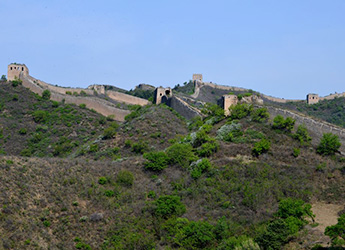
Located in Miyun District, northeast Beijing, about 125 kilometers from downtown Beijing, Gubeikou Great Wall is one of the most historically significant sections of the Great Wall.
Unlike some restored sections of the Great Wall that are mainly designed for sightseeing, Gubeikou preserves a more authentic atmosphere with original structures, ancient watchtowers, and rugged mountain landscapes.
For centuries, Gubeikou served as an important military gateway protecting Beijing and connecting northern and southern areas across the Yanshan Mountains. Today, it is one of the best destinations near Beijing for travelers interested in Great Wall hiking, Chinese military history, and ancient architecture.
Gubeikou – An Ancient Strategic Pass Protecting Beijing
The geographical location of Gubeikou made it a naturally strategic defensive point.
The Yanshan Mountain Range stretches from east to west and forms a narrow passage at Gubeikou. The area is surrounded by:
* Chaohe River and Wohu Mountain to the west
* Panlong Mountain to the east
Because of this unique landscape, Gubeikou became a key military route connecting regions north and south of the Yanshan Mountains.
As early as 2,500 years ago, ancient fortifications were built here. Over different dynasties, these defenses were repeatedly expanded and strengthened due to Gubeikou’s importance as a gateway to Beijing.
The Ming Dynasty Gubeikou Great Wall
The existing Gubeikou Great Wall was mainly constructed during the Ming Dynasty (1368–1644) under the supervision of the famous general Xu Da.
The wall stretches for more than 20 kilometers and consists of four major sections:
* Wohushan Great Wall
* Panlongshan Great Wall
* Jinshanling Great Wall
* Simatai Great Wall
Along the wall are 143 beacon towers, positioned at an average distance of about 156 meters from each other. These watchtowers served as military observation points and communication stations.
The towers vary greatly in design:
* Flat ceilings
* Arched ceilings
* Domed ceilings
* Octagonal painted ceilings
Each tower was built with practical military functions, including:
* Multiple entrances and archways
* Soldier accommodation areas
* Observation openings
* Defense facilities
The largest towers could accommodate around 100 soldiers, while smaller ones could house about 10 soldiers.
 Gubeikou Great Wall Hiking Experience
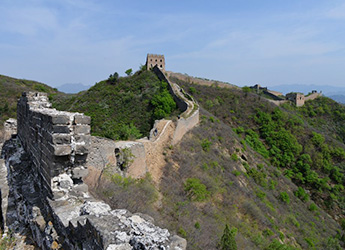
Built along steep mountain ridges, Gubeikou Great Wall offers one of the most impressive hiking experiences near Beijing.
The wall follows the natural terrain, rising and falling across rugged peaks and valleys. Some sections remain wild and unrestored, allowing visitors to experience the original appearance of the ancient defensive system.
Among the surrounding sections, Simatai Great Wall is especially famous for its dramatic landscape.
Built along steep cliffs, Simatai is known for its:
* Sharp slopes
* Narrow paths
* Unique watchtowers
* Magnificent mountain views
A famous Great Wall expert once praised:
“The Great Wall is the best of Chinese architecture, and Simatai is the best of the Great Wall.”
Simatai and Jinshanling – Highlights of Gubeikou Area
The Simatai and Jinshanling sections are among the most popular hiking destinations connected with Gubeikou.
Simatai Great Wall
Simatai is famous for its dramatic and original appearance. Built on steep cliffs, it combines natural landscapes with impressive military architecture.
The Beijing Watchtower, located at an altitude of approximately 986 meters, offers spectacular views. On clear nights, visitors can even see the lights of Beijing shimmering in the distance.
Nearby is the beautiful Fairy Tower, a delicate watchtower standing among wild plants and mountain scenery, resembling a fairy hidden between the cliffs.
Jinshanling Great Wall
Jinshanling is known for its well-preserved Ming Dynasty architecture, peaceful hiking environment, and panoramic mountain views. It is considered one of the best sections for photography and long-distance Great Wall hiking.
Legends and Historical Stories of Gubeikou
For centuries, Gubeikou Great Wall has inspired many legends and historical stories.
Because of its military importance, countless battles took place around this region. The remaining walls, towers, and ruins provide valuable evidence of China’s ancient defense systems.
Walking along Gubeikou today allows visitors to experience:
* Ancient military culture
* Ming Dynasty engineering
* Mountain landscapes
* Traditional Chinese history
Why Visit Gubeikou Great Wall?
Gubeikou Great Wall is an excellent choice for travelers seeking an authentic Great Wall experience away from the crowds.
Compared with more developed sections such as Badaling, Gubeikou offers:
* Original Ming Dynasty structures
* Challenging hiking routes
* Fewer tourists
* Beautiful mountain scenery
* Rich military history
With its unique architecture and dramatic landscape, Gubeikou is one of the most remarkable sections of the Ming Dynasty Great Wall and a must-visit destination for travelers exploring Beijing’s historical heritage.
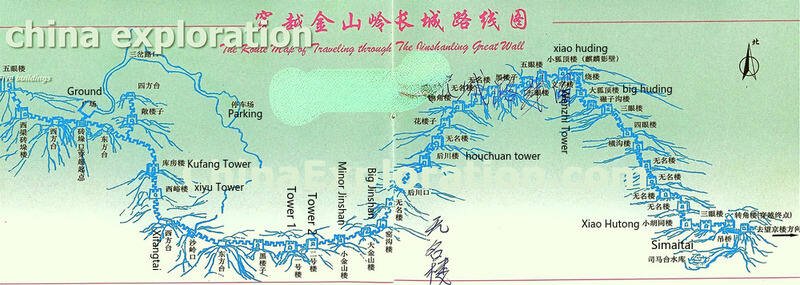
Tour Map of Jinshanling Great Wall:
 Weather Information of Gubeikou and Jinshanling:
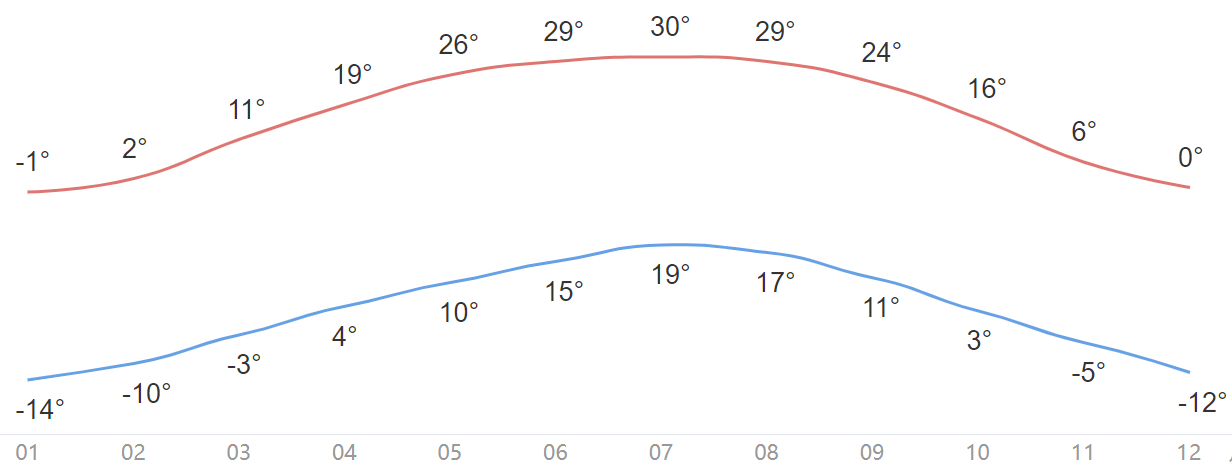 Note: From January to December, red line is the highest Centigrade in average, blue line is the lowest climate in average.