Sichuan is home to two of China’s most treasured traditional handicrafts: Shu embroidery and Shu brocade. Both originated in Chengdu, Sichuan Province, and have played an important role in Chinese textile history for more than two thousand years.
Known for their delicate craftsmanship, elegant designs, and rich cultural symbolism, Shu embroidery and Shu brocade represent the artistic achievements and creativity of Sichuan people.
Shu Embroidery (Chuan Embroidery)
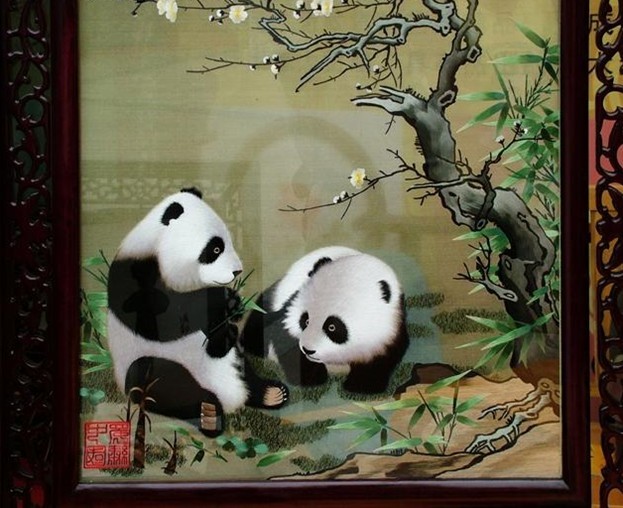
Shu embroidery, also called Chuan embroidery (“Shu” is the ancient name for Sichuan), is one of the four most famous embroidery styles in China, together with Suzhou embroidery, Hunan embroidery, and Guangdong embroidery.
With a history dating back to the Han Dynasty (206 BC–220 AD), Shu embroidery has long been regarded as “a treasure of Sichuan.” It reached its golden age during the Song Dynasty (960–1279), when embroidery techniques became highly refined. During the Qing Dynasty (1644–1911), numerous embroidery workshops were established, further promoting its development.
After the founding of modern China in 1949, Shu embroidery continued to evolve, with artists creating new techniques and designs while preserving traditional craftsmanship.
Features of Shu Embroidery
Shu embroidery is famous for its:
* Fine and delicate needlework
* Smooth and bright silk texture
* Elegant colors
* Graceful lines
* Artistic style inspired by traditional Chinese painting
Its unique stitching techniques are characterized by:
* Even and precise stitches
* Bright silk threads
* Soft and smooth textures
* Combination of centrifugal and centripetal stitching methods
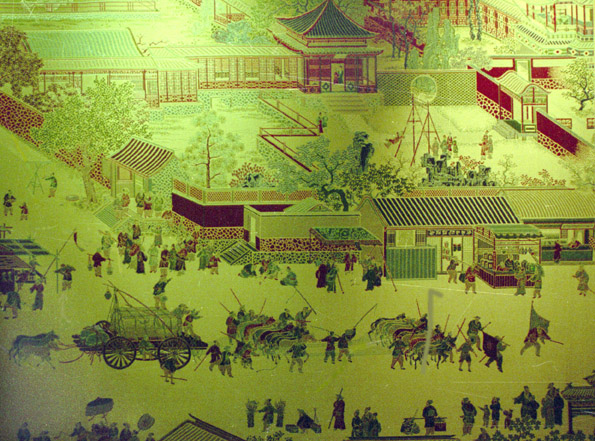 Traditional Shu embroidery uses locally produced colorful satin and silk threads as its main materials, creating works with vivid colors and impressive artistic effects.
Designs and Products of Shu Embroidery
The themes of Shu embroidery are closely connected with traditional Chinese culture. Common designs include:
* Flowers
* Birds
* Landscapes
* Fish and insects
* Human figures
* Auspicious symbols representing happiness and prosperity
Traditional Shu embroidery products include:
* Pillowcases
* Embroidered shoes
* Curtains
* Wedding dresses
* Scroll paintings
* Hats and shoes
* Skirts
* Quilt covers
These handmade artworks combine practical use with artistic value, making them popular souvenirs and cultural treasures.
Shu Brocade
Shu brocade, also known as Chuan brocade, is another famous traditional textile art from Sichuan. It was first developed in Chengdu during the Han Dynasty and became one of the most important types of Chinese silk brocade.
As Sichuan became connected with other regions of China, Shu brocade techniques spread throughout the country and influenced the development of Chinese silk weaving.
History and Artistic Value of Shu Brocade
Shu brocade reached great prosperity during the Tang, Song, and Yuan dynasties, when craftsmen created increasingly diverse patterns, colors, and designs.
During the Tang Dynasty, Sichuan became a major producer of high-quality silk products. Some of the most famous designs from this period included:
* Floral patterns
* Red lion motifs
* Chinese phoenix designs
The exquisite craftsmanship and luxurious appearance of Shu brocade made it highly valued among nobles, officials, and collectors throughout Chinese history.
Experience Sichuan’s Traditional Textile Culture
Shu embroidery and Shu brocade are not only examples of beautiful craftsmanship but also important reflections of Sichuan’s history, aesthetics, and cultural traditions.
For visitors to Chengdu and Sichuan, exploring these traditional arts offers a deeper understanding of China’s silk culture and the remarkable skills passed down through generations of artisans.