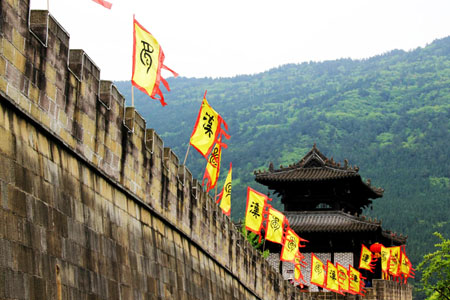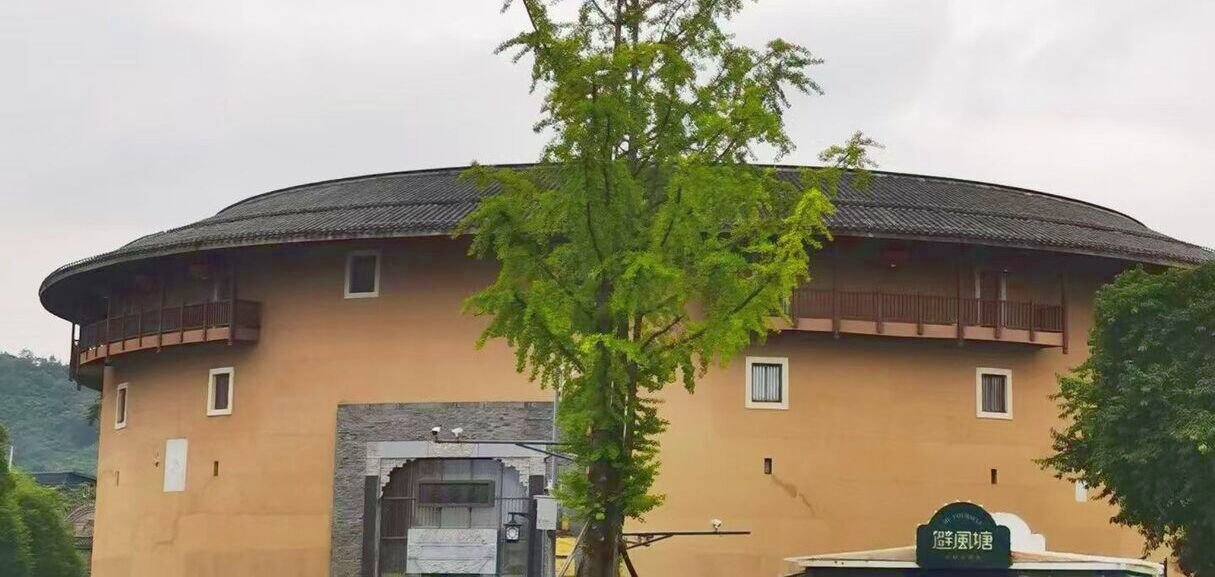
Located in the eastern suburbs of Chengdu, Sichuan Province, Luodai Ancient Town is the largest Hakka community in Southwest China and one of the best places to experience Hakka culture near a major Chinese city.
The town is home to around 20,000 Hakka people, accounting for about 90% of its total population. Unlike many other Hakka settlements in China, which are usually located far from large cities, Luodai is unique because it is situated close to modern Chengdu while preserving its traditional cultural identity.
With a history of more than a thousand years, Luodai combines Hakka traditions, ancient architecture, and diverse cultural influences, making it a popular cultural destination in Sichuan.
 History and Legend of Luodai Ancient Town
The history of Luodai can be traced back to the Han Dynasty (206 BC–220 AD), when it was known as Wanjing Street.
Over centuries, migration and cultural exchange shaped Luodai into a town where different traditions blended together, creating a unique combination of Hakka culture and Sichuan heritage.
According to local legend, the town’s name originated from an event during the Three Kingdoms period (220–280). It is said that the belt of Liu Chan, the last emperor of the Shu Kingdom, fell into an octagonal well here.
In Chinese:
* “Luo” means “to fall”
* “Dai” means “belt”
Therefore, the place became known as Luodai.
Hakka Culture in Luodai
Hakka people are a Han Chinese cultural group known for their migration history, strong family traditions, and distinctive architecture.
Luodai preserves many aspects of traditional Hakka life, including:
* Ancestral worship traditions
* Hakka architecture
* Traditional festivals
* Guildhall culture
* Local cuisine and customs
The town’s historic streets and buildings provide visitors with an opportunity to learn about the lifestyle and heritage of the Hakka community.
Guangdong Guildhall: A Landmark of Hakka Architecture
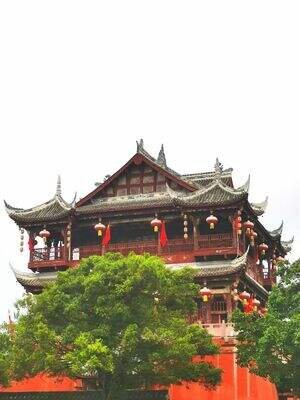
 The Guangdong Guildhall is the most famous landmark in Luodai Ancient Town and one of the finest examples of Hakka architecture in China.
Originally called Nanhua Palace, it was built in 1746 during the Qing Dynasty. Covering an area of approximately 3,044.75 square meters, the guildhall consists of three main halls and served as an important gathering place for Hakka people.
Historically, guildhalls were used for:
* Meeting fellow villagers
* Settling disputes
* Celebrating festivals
* Honoring ancestors and deities
Other historic guildhalls, including those representing Huguang, Jiangxi, and northern Sichuan communities, are also well preserved in the town.
Ancient Streets and Traditional Houses
Luodai Ancient Town preserves the architectural style of the Qing Dynasty (1644–1911) and the Republic of China period (1912–1949).
The town features:
* A 1,000-meter-long main street
* Seven traditional lanes
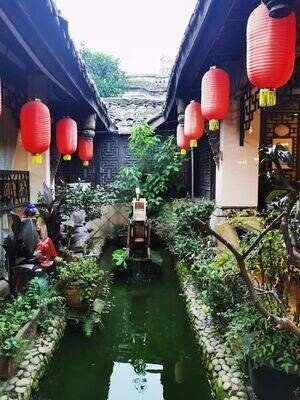
* Ancient courtyards
* Wooden residential buildings
* Traditional tiled roofs
Many houses are designed as enclosed courtyards with open spaces in the center. Decorative carvings of flowers and turtles can be seen on the main buildings, reflecting traditional Chinese architectural aesthetics.
Luodai Fire Dragon Festival
The annual Fire Dragon Festival is one of Luodai’s most spectacular cultural events.
The festival includes traditional ceremonies and performances such as:
* Welcoming the dragon
* Worshiping ancestors
* Bringing the dragon home
* Painting the dragon’s eyes
The lively celebration combines Hakka traditions, folk beliefs, and local performing arts, attracting visitors who want to experience authentic Chinese folk culture.
Visit Luodai Ancient Town
Just a short journey from Chengdu, Luodai Ancient Town offers a fascinating contrast between modern urban life and traditional Chinese heritage.
Visitors can walk along ancient streets, explore historic guildhalls, taste Hakka cuisine, and experience centuries-old customs in a peaceful traditional setting.
For travelers interested in Chengdu culture, Chinese history, and ethnic traditions, Luodai Ancient Town is a memorable destination.