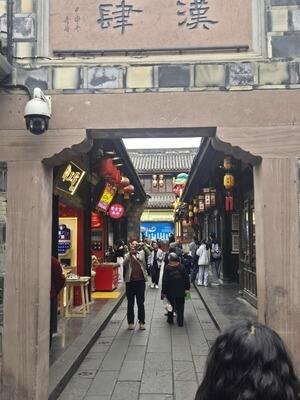
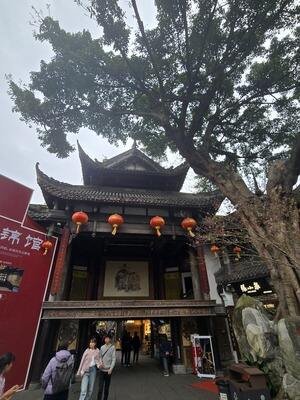
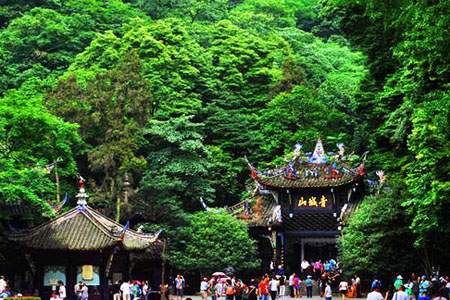
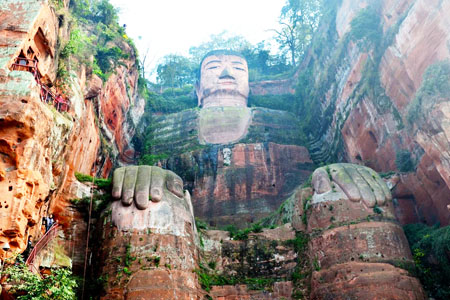
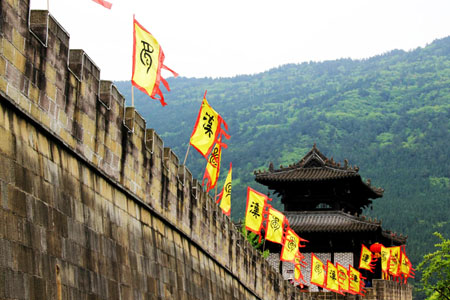
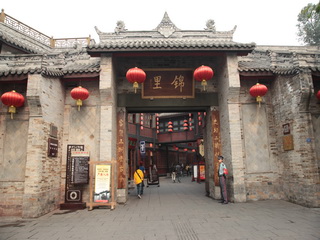
 Located next to the famous Wuhou Shrine in Chengdu, Sichuan Province, Jinli Ancient Street is one of the city’s most popular cultural attractions. With a history dating back more than 2,000 years, Jinli was once one of the busiest commercial streets of the ancient Shu Kingdom during the Three Kingdoms Period (220–280 AD).
Known as the “First Street of the Shu Kingdom,” Jinli Ancient Street combines traditional architecture, Sichuan folk culture, local cuisine, handicrafts, and the historical atmosphere of ancient Chengdu.
Today, it is an ideal place for visitors to experience old Chengdu’s relaxed lifestyle while exploring the rich heritage of the Three Kingdoms culture.
A Historic Street with Over Two Thousand Years of History
The history of Jinli can be traced back to the Qin Dynasty (221–206 BC). During the Three Kingdoms Period, Chengdu was the capital of the Shu Kingdom (221–263 AD), and Jinli became a major commercial and cultural center.
During this period, the production of Shu brocade — a luxurious silk fabric decorated with intricate patterns of gold and silver threads — was concentrated on the southern bank of the Jinjiang River near today’s Wuhou Shrine.
The area was historically known as Jinguan or Jinli. Later, during the Tang and Song Dynasties, Jinli became another name used to refer to Chengdu itself, reflecting the importance of this area in the city’s history.
 The Heart of Three Kingdoms Culture
Chengdu played a central role in the history of the Three Kingdoms. As the capital of the Shu Kingdom, it became closely associated with legendary figures such as Zhuge Liang, one of ancient China’s most respected politicians and military strategists.
Thanks to Zhuge Liang and other important figures of the Shu Kingdom, Three Kingdoms culture has deeply influenced Chengdu. Today, visitors can still discover many historical sites and cultural traditions connected with this fascinating period.
Jinli Ancient Street enhances this heritage by blending elements from the Qin, Han, Ming, and Qing Dynasties with the unique folk traditions of western Sichuan.
Traditional Architecture and Local Chengdu Lifestyle
The location of Jinli is surrounded by important historical landmarks. The ancient Wuhou Shrine is located nearby, the Jinjiang River lies to the north, and the Rainbow Bridge is situated to the east.
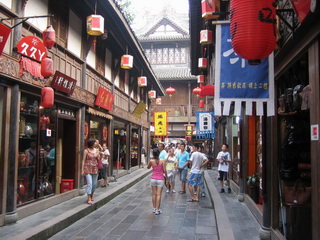
After a major renovation completed in 2004, Jinli was restored in the style of a traditional Sichuan street while preserving its historical atmosphere. Ancient-style buildings, red lanterns, stone roads, traditional workshops, and local restaurants create a vivid picture of old Chengdu.
Visitors can stroll through narrow lanes, watch craftsmen making traditional products, enjoy Sichuan snacks, and experience the famous leisurely lifestyle of Chengdu.
Food and Cultural Experiences at Jinli Street
Jinli is also one of the best places in Chengdu to taste local specialties. The street is filled with restaurants and food stalls offering famous Sichuan flavors, including:
* Sichuan hotpot
* Dan dan noodles
* Sweet water noodles
* Sichuan dumplings
* Local pastries and snacks
* Traditional tea experiences
Chengdu people are well known for their love of food, tea, and social gatherings. This relaxed attitude toward life has helped create the city’s unique atmosphere and contributed to Chengdu being recognized as one of China’s most livable cities.
Why Visit Jinli Ancient Street?
Jinli Ancient Street offers a perfect combination of:
* Three Kingdoms history – Discover Chengdu’s connection with the Shu Kingdom.
* Traditional Sichuan culture – Experience local customs, crafts, and architecture.
* Authentic Chengdu lifestyle – Enjoy tea, food, and a slow-paced atmosphere.
* Night scenery – See the ancient street illuminated by traditional lanterns.
Whether visiting during the day or evening, Jinli provides a memorable introduction to Chengdu’s history and cultural charm.
Travel Tips for Jinli Ancient Street
* Best time to visit: Late afternoon and evening are recommended for the best atmosphere.
* Recommended duration: 1–2 hours.
* Location: Next to Wuhou Shrine in central Chengdu.
* Best combination: Visit together with Wuhou Shrine for a deeper understanding of Three Kingdoms history.