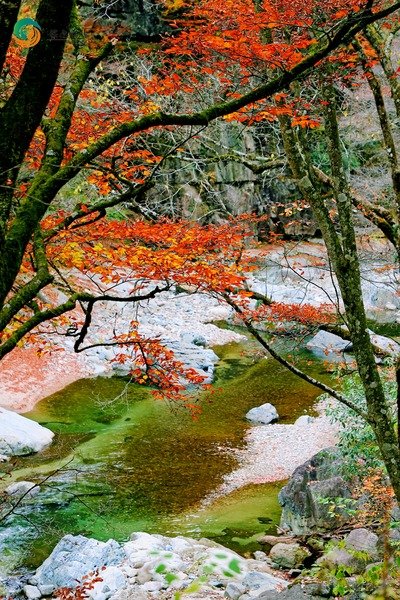
 Guangwushan Mountain Scenic Area is located in Nanjiang County, Bazhong City, Sichuan Province, at the heart of the Micang Mountains on the border of Sichuan and Shaanxi provinces. Positioned near the geographical center of Chengdu, Chongqing, and Xi’an, the scenic area covers approximately 410 square kilometers and is recognized as a National AAAAA Tourist Attraction.
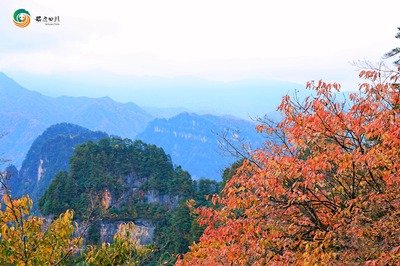
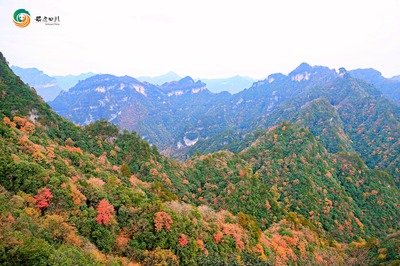
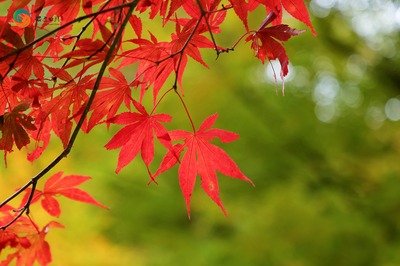
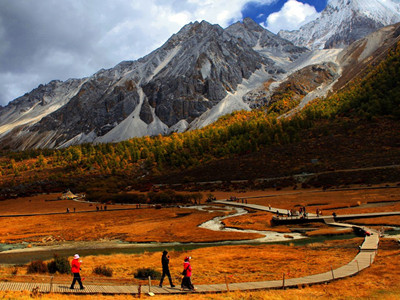
Renowned as one of China’s most beautiful destinations for autumn foliage, Guangwu Mountain transforms into a breathtaking sea of crimson every October and November, when millions of maple and deciduous trees blanket the mountains in vibrant shades of red, orange, and gold. Colorful forests, crystal-clear streams, and mist-covered peaks create spectacular landscapes that attract photographers, hikers, and nature lovers from around the world.
Climate
Situated along the natural climatic boundary between northern and southern China, Guangwu Mountain enjoys a pleasant temperate monsoon climate with four distinct seasons.
* Average annual temperature: 13°C (55.4°F)
* Average July temperature: 20°C (68°F)
* Annual rainfall: Approximately 1,350 mm
* Frost-free period: Around 200 days
Spring is mild and filled with blooming flowers, while summer offers cool mountain weather, making Guangwushan Mountain an ideal escape from the heat. Autumn is famous for its colorful forests and crisp air, and winter brings snow-covered landscapes, with snowfall typically lasting from November to February. Snow depth usually averages around 20 cm, occasionally reaching 1 meter in higher elevations.
Rich Biodiversity
Guangwushan Mountain boasts an impressive 97.5% forest coverage, preserving one of southwestern China’s best-protected natural ecosystems.
The scenic area is home to nearly 2,300 species of vascular plants, including:
* More than 600 plant species from 223 genera and 91 families
* Over 200 species of trees and shrubs
* Nearly 20 nationally and provincially protected plant species
* Numerous rare and endemic plants unique to Nanjiang County
One of the area’s most remarkable botanical treasures is the Bashan Water Oak, an ancient relic species often referred to as a “living plant fossil.” Guangwu Mountain also features one of the world’s largest natural populations of this rare tree, covering more than 40,000 mu.
Each May, thousands of rhododendrons bloom across the mountains, adding another spectacular display of seasonal color.
Wildlife
The forests of Guangwu Mountain provide habitat for an extraordinary variety of wildlife. More than 275 species of wild animals have been recorded, including numerous nationally protected species.
Rare animals found in the reserve include:
* Golden Eagle
* Clouded Leopard
* Leopard
* Asian Black Bear
* Chinese Pangolin
* Large Indian Civet
* Red Panda
* Chinese Giant Salamander
The mountain is also home to many protected birds, reptiles, amphibians, and mammals, making it an important destination for wildlife observation and ecological research.
Top Attractions in Guangwushan Mountain
 Seven Fairy Peaks
The Seven Fairy Peaks are among the most iconic landscapes of Guangwu Mountain.
Along a mountain ridge rising above the Jiaojia River stand seven graceful peaks that resemble seven celestial maidens standing side by side. Each season presents a different view:
* Spring brings blooming wildflowers.
* Summer covers the mountains in lush greenery.
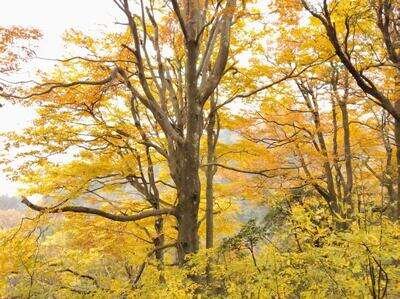
* Autumn transforms the slopes into a sea of colorful red leaves.
* Winter blankets the peaks with snow and ice.
The Seven Fairy Peaks are especially popular with photographers during the autumn foliage season.
Dragon Riding the Clouds
Longji Mountain, also known as Dragon Riding the Clouds, marks the entrance to Guangwu Mountain Scenic Area.
The mountain is frequently wrapped in drifting clouds and mist, giving it the appearance of a dragon soaring through the sky. After rainfall, particularly on clear autumn mornings, visitors may witness the spectacular phenomenon of glowing red clouds surrounding the summit.
Local residents traditionally refer to this natural spectacle as “Buddha’s Light,” believing it brings blessings and longevity. Scientifically, the phenomenon is an optical effect created by sunlight interacting with mountain mist under ideal atmospheric conditions.
Micang Ancient Road
The Micang Ancient Road is one of China’s oldest and most historically significant mountain highways.
Together with the Jinniu Road and Lizhi Road, it forms one of the Three Great Ancient Shu Roads, connecting the Sichuan Basin with northern China for more than 3,000 years.
Historically, the route served as:
* A major military passage
* An important trade corridor
* A section of the ancient Tea Horse Road
* A vital transportation route linking the Central Plains and Chengdu Plain
Often described as “a living fossil of ancient transportation history,” the Micang Ancient Road preserves countless stories of merchants, soldiers, scholars, and travelers who once crossed these mountains.
Swallow Rock Stone Forest
Located beneath Swallow Peak, the Swallow Rock Stone Forest features dramatic limestone pillars and towering rock formations sculpted by millions of years of natural erosion.
Nearby lies Swallow Cave, where thousands of swallows nest every spring before migrating south in autumn, giving the site its name.
The most striking formation is a nearly 200-meter-high stone pillar, known locally as “The Anchor,” which rises majestically from the valley floor and has become one of Guangwu Mountain’s signature geological landmarks.
Taiji Sinkhole
The Taiji Sinkhole is one of Guangwu Mountain’s most remarkable geological wonders.
Formed through the gradual collapse of limestone along underground karst fissures, the enormous sinkhole has been shaped over hundreds of millions of years by the erosive power of the Jiaojia River.
Viewed from above, the winding river forms an elegant S-shaped curve that resembles the traditional Chinese Taiji (Yin-Yang) symbol, giving the attraction its name.
The combination of deep sinkholes, dramatic cliffs, dense forests, and flowing rivers makes this one of the most spectacular karst landscapes in southwestern China.
Why Visit Guangwu Mountain?
Guangwu Mountain Scenic Area is one of China’s premier destinations for autumn foliage, ecological tourism, hiking, photography, and geological exploration. From vibrant maple forests and ancient mountain trails to rare wildlife and extraordinary karst landscapes, Guangwu Mountain offers unforgettable scenery throughout the year and is widely regarded as one of the finest nature destinations in Sichuan Province.
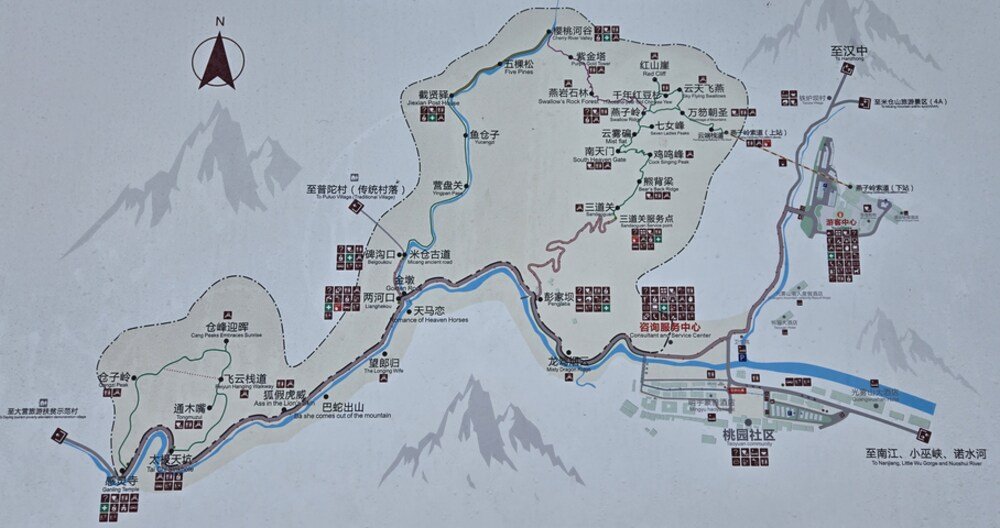
Tour Map of Guangwu Shan Mountain Scenic Spots: