




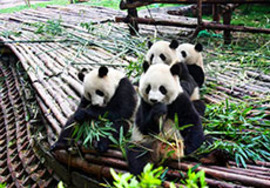
Explore Chengdu Panda Base and Leshan Giant Buddha in one day, and enjoy a traditional Xiba tofu banquet and discover Sichuan’s famous creature and Buddhist heritage.......
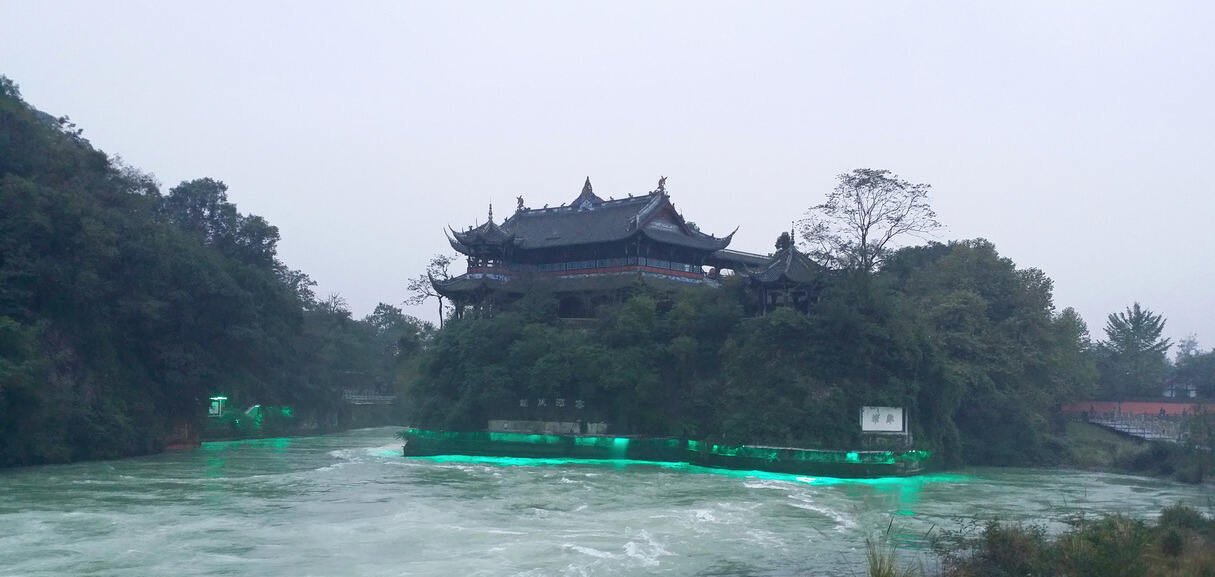 The Dujiangyan Irrigation System is one of the world’s oldest and most remarkable water conservancy projects. Located on the Minjiang River in Sichuan Province, it was first constructed in 256 BC during the Warring States Period under the direction of Li Bing, the governor of Shu.
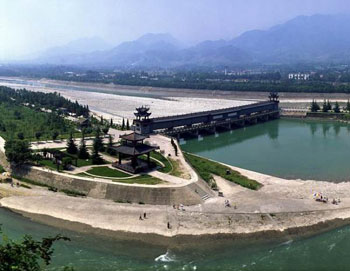 Li Bing and Ancient Water Management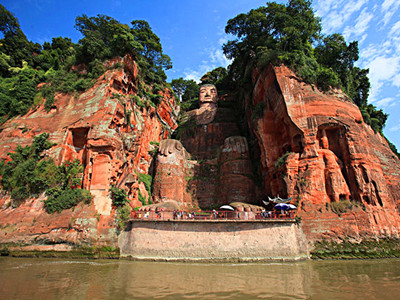
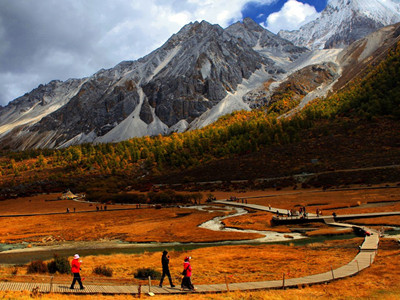
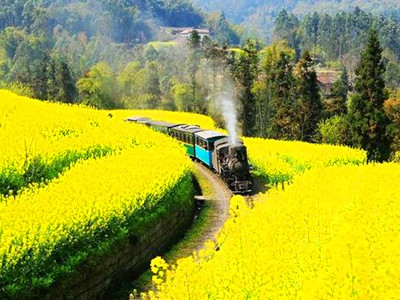
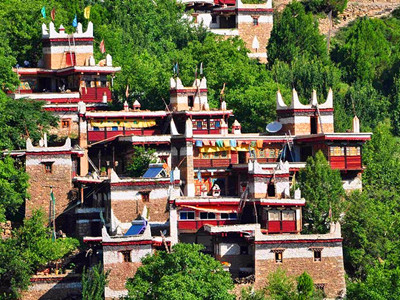
Explore Chengdu Panda Base and Leshan Giant Buddha in one day, and enjoy a traditional Xiba tofu banquet and discover Sichuan’s famous creature and Buddhist heritage.......
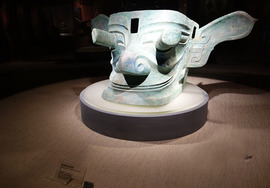
Explore Chengdu’s highlights in one day with a visit to the Giant Panda Base and Sanxingdui Museum. See adorable pandas and discover the mysterious 3,000-year-old Shu civilization with an expert loca......
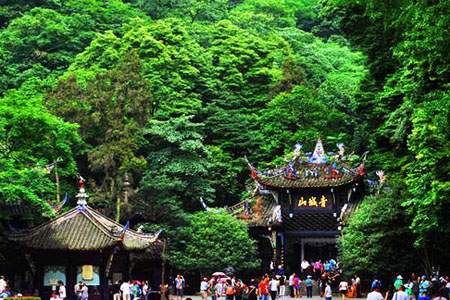
Explore Mount Qingcheng and Dujiangyan near Chengdu, discovering Taoist culture, mountain scenery and a 2,000-year-old ancient irrigation system.......

Classic two days tours to west Chengdu, where Leshan Giant Buddha and Mt Emeishan are both world class top tour destinations, and also visit a local old town. ......
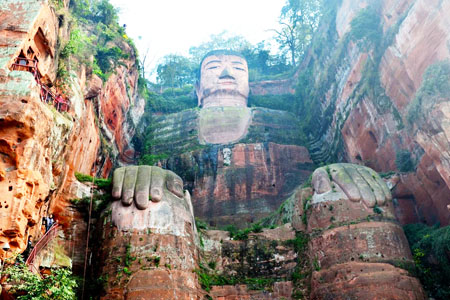
Explore the best of Chengdu and Sichuan on this 3-day private tour. Visit Chengdu Panda Base, Kuanzhai Alley, Wangjianglou Bamboo Park, Leshan Giant Buddha, Luocheng Ancient Town, and Mount Emei with a......
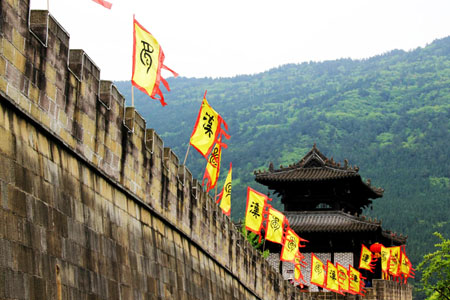
Explore Sichuan’s ancient history and culture on a 3-day private tour from Chengdu. Visit the Giant Panda Base, Sanxingdui Museum, Jianmen Pass, Zhaohua Ancient Town, and Langzhong Ancient Town to di......

