 Located about 56 kilometers northwest of Chengdu in Sichuan Province, Dujiangyan Irrigation System is one of the world’s oldest and most remarkable water conservation projects still in operation today.
Built on the middle reaches of the Minjiang River, a major tributary of the Yangtze River, Dujiangyan has controlled floods, improved irrigation, and supported agricultural development in the Chengdu Plain for more than 2,000 years.
The project is located only about 17 kilometers from Mount Qingcheng and can be reached from Chengdu in approximately 25–30 minutes by expressway, making it one of the most popular day-trip destinations from Chengdu.
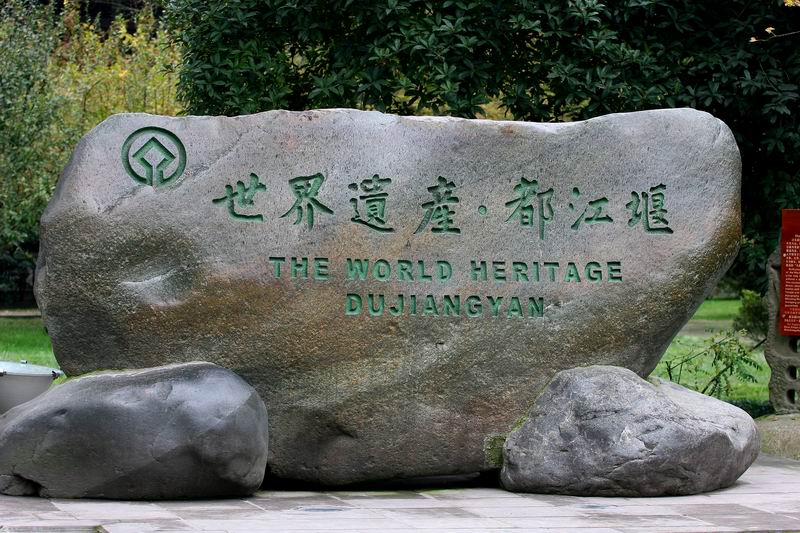
In 2000, Dujiangyan Irrigation System and Mount Qingcheng were jointly inscribed as a UNESCO World Heritage Site.
A 2,000-Year-Old Water Management Miracle
The history of Dujiangyan dates back to around 250 BC during the Warring States Period.
At that time, Li Bing, the governor of Shu under the Qin State, and his son led the construction of this extraordinary irrigation system.
Before Dujiangyan was built, people mainly relied on dams to block floodwaters. However, Li Bing introduced a revolutionary approach: instead of resisting the river, he worked with the natural flow of the Minjiang River by dividing and redirecting the water.
This innovative design transformed a flood-prone area into one of China’s most fertile agricultural regions, earning Chengdu the reputation of being the “Land of Abundance.”
The Engineering Design of Dujiangyan
The Dujiangyan project consists of two major parts:
* Headworks system
* Irrigation network
Together, these components regulate the river flow, prevent flooding, and distribute water throughout the Chengdu Plain without using large dams.
The ingenious design continues to function today, demonstrating the advanced engineering knowledge of ancient China.
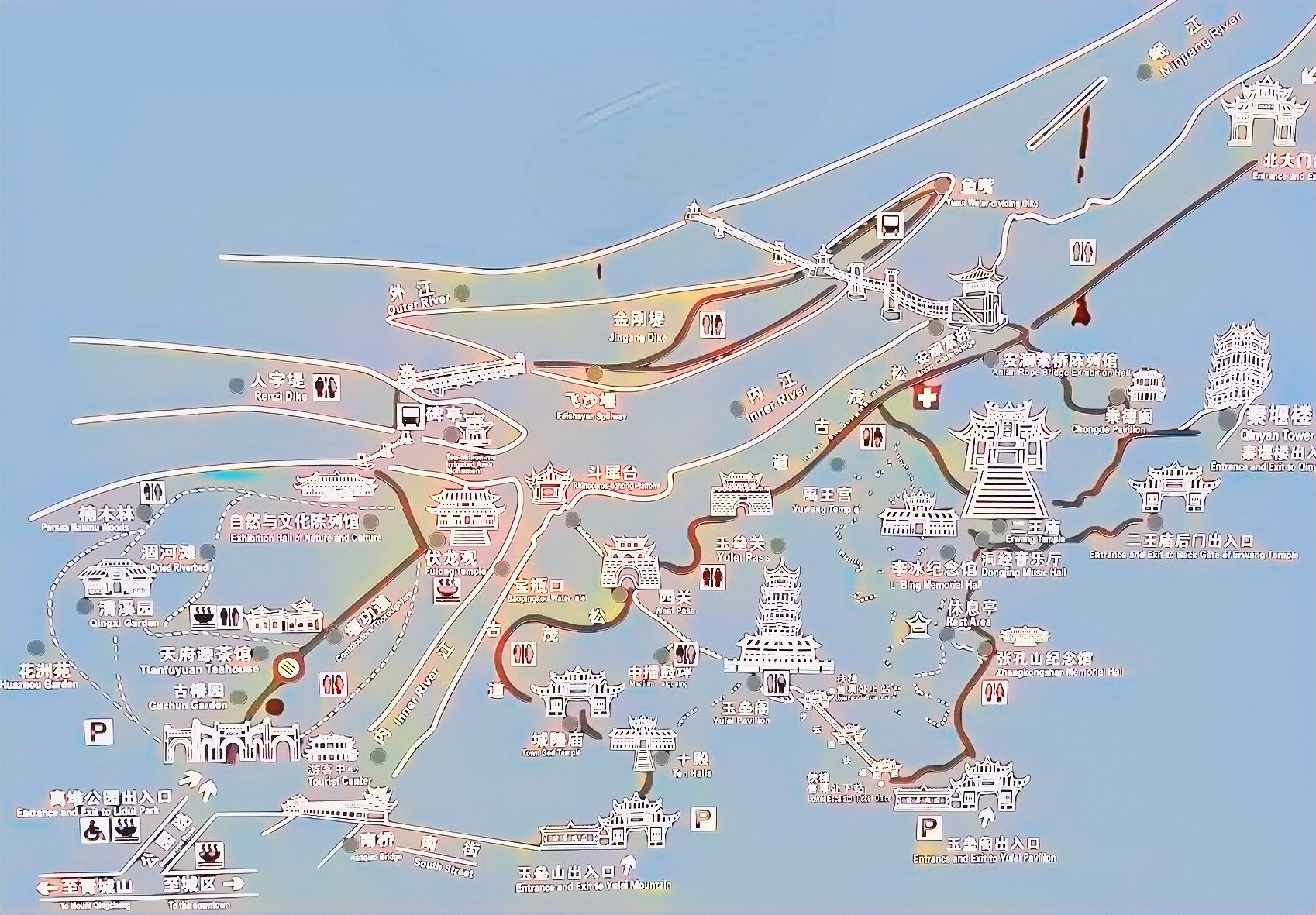
 Three Main Components of the Headworks
The headworks system includes three key structures:
Yuzui (Fish Mouth Levee)
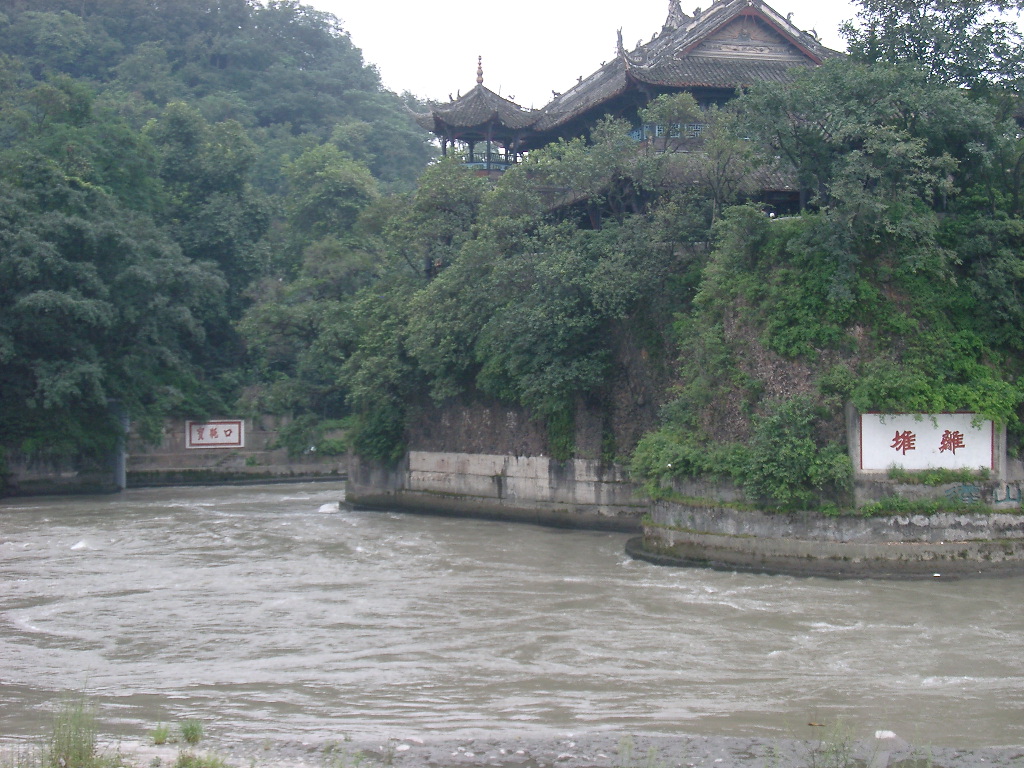
Located in the center of the Minjiang River, Yuzui is a long, narrow artificial embankment that divides the river into two channels:
* Inner River
* Outer River
The design allows water and sediment to be naturally distributed according to seasonal changes.
Feishayan (Flying Sand Weir)
Feishayan acts as a spillway that helps remove excess water and sediment. During periods of heavy rainfall, it allows surplus water to flow away and protects the irrigation system from damage.
Baopingkou (Bottle-Neck Channel)
Baopingkou is the main water diversion channel. Its narrow opening controls the amount of water entering the irrigation system and ensures a stable water supply for farmland.
The combination of Yuzui, Feishayan, and Baopingkou represents one of the most sophisticated ancient water management systems in the world.
Anlan Suspension Bridge (Couple Bridge)
The Anlan Suspension Bridge, also known as the Couple Bridge, crosses above the Yuzui levee and connects both sides of the Minjiang River.
The bridge stretches for approximately 500 meters and was traditionally supported by thick bamboo ropes. Today, steel cables provide additional strength, but visitors can still enjoy the unique experience of walking across the gently swaying bridge.
The bridge offers excellent views of:
* Minjiang River
* Yuzui Levee
* Dujiangyan irrigation system
* Surrounding mountain scenery
Erwang Temple – Honoring the Builders of Dujiangyan
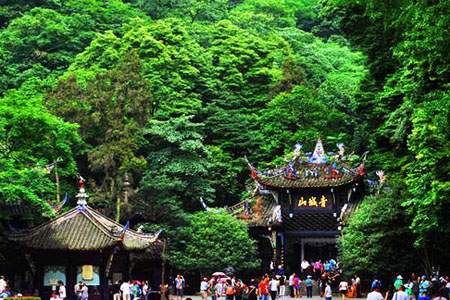
Located near the irrigation project, Erwang Temple was built to commemorate Li Bing and his son for their outstanding contributions to the construction of Dujiangyan.
The temple combines history, traditional architecture, and cultural heritage, making it an important stop when visiting the site.
Why Visit Dujiangyan?
Dujiangyan is more than an ancient engineering project — it represents the harmony between humans and nature.
Visitors can experience:
* A UNESCO World Heritage Site
* Ancient Chinese engineering wisdom
* Beautiful river and mountain landscapes
* Traditional Sichuan architecture
* Local history and culture
A visit to Dujiangyan provides a deeper understanding of how ancient Chinese civilization developed sustainable solutions to work with nature rather than against it.
Travel Tips for Dujiangyan
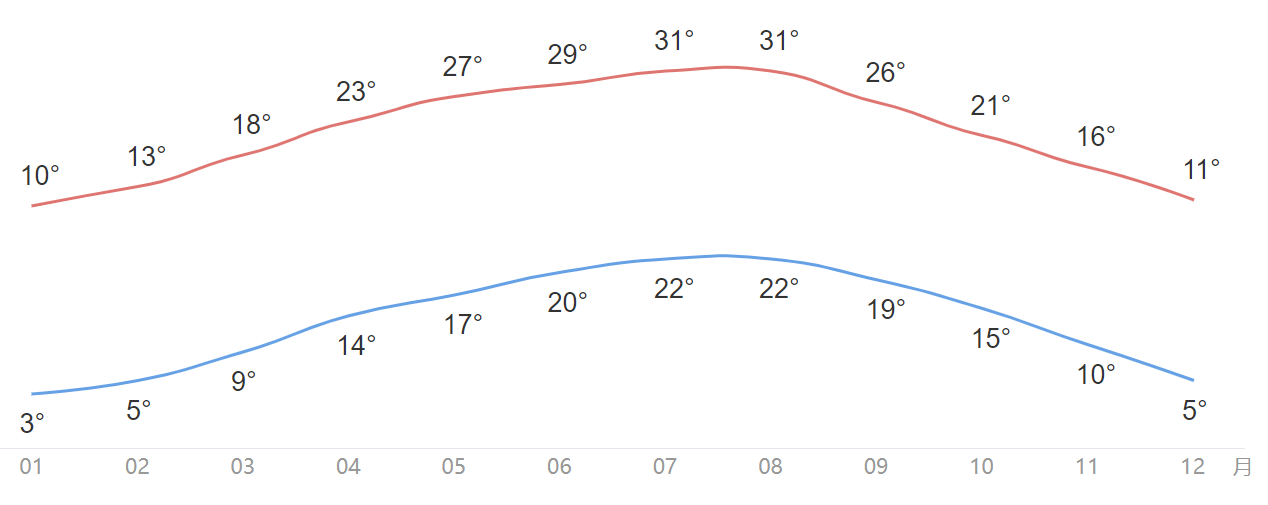
* Best time to visit: Spring and autumn offer comfortable weather and beautiful scenery.
* Recommended duration: Half a day to one full day.
* Location: About 56 km from Chengdu.
* Best combination: Visit together with Mount Qingcheng for a complete cultural and natural heritage experience.
* Transportation: Easily accessible by express train or private vehicle from Chengdu.