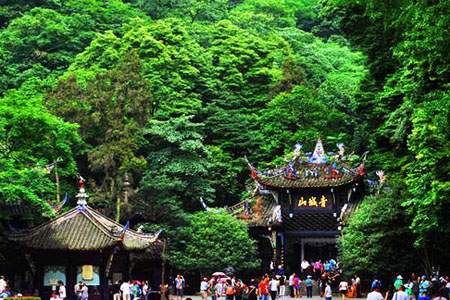
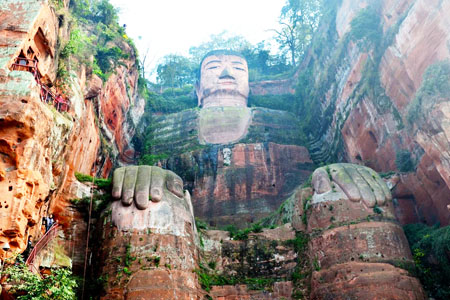
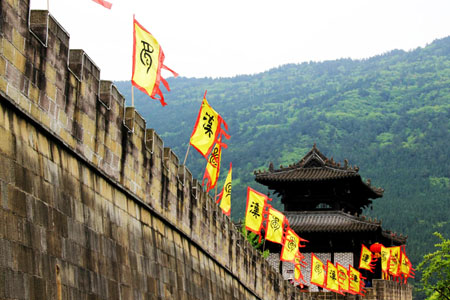
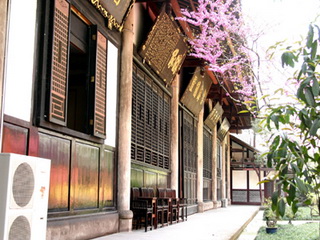
 Located in Xindu District, northern Chengdu, Sichuan Province, Baoguang Monastery is one of the most famous Buddhist temples in the Yangtze River Valley.
With a history of more than 1,800 years, Baoguang Monastery is renowned for its long Buddhist tradition, grand architectural layout, rich cultural relics, and peaceful environment. It is considered one of the Four Great Zen Buddhist Monasteries along the Yangtze River region.
Today, the monastery remains an important center of Buddhist culture and a popular cultural attraction near Chengdu.
A Temple with Over 1,800 Years of History
Baoguang Monastery was originally built during the Eastern Han Dynasty (25–220 AD) and has experienced many historical changes throughout the centuries.
The temple flourished especially during later dynasties and became an important place for Zen Buddhist practice and cultural exchange.
Its quiet atmosphere, ancient architecture, and spiritual significance have made it a respected pilgrimage site for Buddhist followers and travelers interested in Chinese history.
Unique Architectural Layout: One Pagoda, Five Halls, Sixteen Courtyards
Baoguang Monastery features a distinctive traditional layout known as:
“One pagoda, five halls, and sixteen courtyards.”
The carefully arranged buildings create a magnificent and harmonious temple complex.
The main structures include:
* Ancient pagodas
* Buddhist halls
* Courtyards
* Meditation areas
* Religious buildings
The design reflects traditional Chinese Buddhist architectural principles, emphasizing balance between human construction and natural surroundings.
The Magnificent Arhat Hall
The most famous attraction inside Baoguang Monastery is the Arhat Hall, built during the Qing Dynasty (1644–1911).
The hall is supported by approximately 100 stone pillars, with an intricate wooden and stone structure demonstrating the remarkable craftsmanship of ancient Chinese architecture.
Inside the hall are 577 Buddhist statues, including:
* Buddhas
* Arhats
* Buddhist masters
Each statue has a unique facial expression and posture. Covered with gold foil, these lifelike sculptures represent one of the finest collections of Buddhist statues in Sichuan.
A Treasure House of Buddhist Culture and Art
Baoguang Monastery is also famous for its extensive collection of cultural relics.
Among its most valuable treasures are the monastery’s “Three Treasures”:
* Buddhist relics (Sariras)
* Utpala flower
* Pattra-leaf scriptures
The monastery also preserves more than 1,000 works of calligraphy and paintings by famous Chinese artists, including:
* Emperor Huizong of Song
* Tang Yin
* Zhang Daqian
* Xu Beihong
These collections provide valuable insight into Chinese Buddhist art, history, and traditional aesthetics.
Famous Couplets and Literary Culture
Baoguang Monastery is also known for its meaningful Buddhist couplets and inscriptions.
One of its most famous couplets is regarded as one of the two most renowned temple couplets in Chengdu.
These writings reflect Buddhist philosophy and traditional Chinese wisdom, adding a strong cultural atmosphere to the temple.
A Popular Buddhist and Cultural Destination in Sichuan
Today, Baoguang Monastery welcomes more than two million visitors and Buddhist followers every year from China and around the world.
Whether for religious pilgrimage, cultural exploration, or architectural appreciation, visitors can experience:
* Ancient Zen Buddhist traditions
* Beautiful temple architecture
* Rare Buddhist artworks
* Peaceful gardens and courtyards
* Sichuan’s rich cultural heritage
For travelers exploring Chengdu, Baoguang Monastery is an excellent destination to discover the spiritual side of Sichuan beyond its famous cuisine and natural scenery.
Travel Tips for Baoguang Monastery
* Location: Xindu District, Chengdu, Sichuan Province.
* Recommended duration: 1–2 hours.
* Best time to visit: Spring and autumn offer comfortable weather.
* Dress code: Visitors should dress respectfully when entering Buddhist halls.
* Nearby attractions: Xindu historical sites and Chengdu city attractions can be combined with a visit.