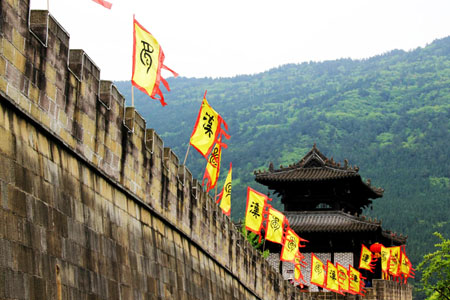
Anyue County, located in Sichuan Province, about 40 kilometers from Dazu District of Chongqing, is one of the most important destinations for exploring China’s ancient stone carving heritage.
Known as the “Hometown of Chinese Stone Carvings,” Anyue is famous for its magnificent Buddhist grottoes, exquisite cliff sculptures, and unique religious art.
The history of Anyue Stone Carvings dates back to the Southern and Northern Dynasties, reaching its peak during the Tang Dynasty, Five Dynasties, and Northern Song Dynasty. The carvings mainly feature Buddhist and Taoist themes, showcasing the artistic achievements and spiritual culture of ancient China.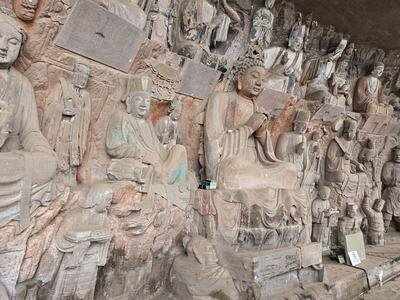
Today, Anyue has more than:
* 500 ancient grotto sites
* Over 100,000 stone statues
* Numerous inscriptions and cultural relics
The grottoes feature various artistic techniques, including:
* Round carving
* Relief carving
* Cliff carving
* Stone tablet carving
* Pagoda carving
With delicate craftsmanship, vivid expressions, and remarkable artistic creativity, Anyue’s sculptures represent an important continuation of China’s ancient cliff carving tradition.
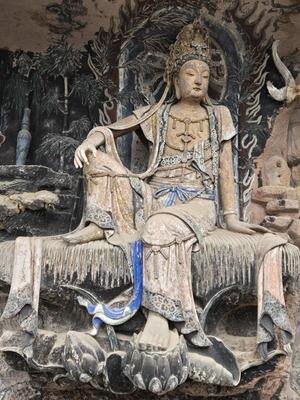
The famous Purple Bamboo Guanyin Statue at Mingshan Temple is regarded as one of the finest examples of Song Dynasty stone carving art.
Anyue Grottoes – The Artistic Link Between Longmen and Dazu
Anyue County has the highest concentration of ancient Buddhist grotto sites in China.
The grottoes contain more than 100,000 statues, especially famous for:
* Grand Tang Dynasty Buddhist sculptures
* Exquisite Song Dynasty religious artworks
* Unique local artistic styles
The Anyue Grottoes played an important historical role in connecting the artistic traditions of Longmen Grottoes and Dazu Rock Carvings, making them a significant part of China’s Buddhist sculpture history.
In 2000, Anyue was awarded the title of “Hometown of Chinese Stone Carvings” by China’s Ministry of Culture. The Anyue Grottoes have also been included on China’s Tentative List of World Cultural Heritage Sites.
 Main Attractions of Anyue Stone Carvings
1. Wofoyuan Sleeping Buddha Grotto (Sleeping Buddha Courtyard)
Located in Wofo Village, Wofo Town, Anyue County, Wofoyuan was listed as a National Key Cultural Relics Protection Unit in 1988.
Hidden in a quiet mountain valley, the grottoes remained well preserved for centuries and were rediscovered during a cultural relic survey in 1982.
Along the one-kilometer-long valley, visitors can see:
* 1,613 Tang Dynasty cliff statues
* Buddhist scriptures
* Stone inscriptions
* Architectural carvings
* Animal sculptures
The highlight is the magnificent Sakyamuni Nirvana Sleeping Buddha, carved directly on the cliff.
The statue is:
* 21.3 meters long
* 3 meters high
* 3.1 meters wide at the shoulders
The Buddha lies peacefully with closed eyes, a calm expression, and elegant details, demonstrating the extraordinary skill of Tang Dynasty sculptors.
2. Qianfozhai Grottoes (Thousand Buddha Village)
Located about 3 kilometers west of Anyue County, Qianfozhai means “Village of Thousands of Buddhas.”
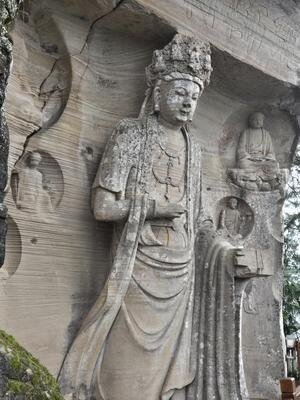 The site contains:
* 105 grotto niches
* 3,064 Buddhist statues
* 7 cliff pagodas
* 3 Tang Dynasty stone inscriptions
* 26 historical inscriptions
The sculptures include:
* Buddhas
* Bodhisattvas
* Arhats
* Flying apsaras
* Guardian figures
* Donor statues
The Tang Dynasty Medicine Buddha Transformation Scene is especially rare in China. The male flying apsara figure dressed in feminine style is also considered unique.
3. Yuanjue Cave Grottoes
Located on Yunju Mountain south of Anyue County, Yuanjue Cave is one of the most important Buddhist sculpture sites in Sichuan.
The grotto area contains:
* 103 cliff caves
* 1,933 statues
* 25 inscriptions
The site was begun during the Tang Dynasty and continued through the Five Dynasties and Northern Song Dynasty, with more than 400 years of artistic development.
The most famous sculptures include the Three Western Saints:
* Amitabha Buddha
* Mahasthamaprapta Bodhisattva
* Guanyin Bodhisattva
The Song Dynasty carvings are famous for their elegant style, flowing ribbons, and graceful artistic expressions.
 4. Pilu Cave
Located in Shiyang Town, about 50 kilometers southeast of Anyue County, Pilu Cave is one of the most important Northern Song Dynasty Buddhist sculpture sites.
The grotto contains:
* 20 niches
* 465 statues
* 18 inscriptions
The most famous artwork is the Purple Bamboo Guanyin Statue, also known as Water-Moon Guanyin.
This masterpiece is praised as the:
“Oriental Goddess of Beauty”
because of its graceful posture, peaceful expression, and exceptional artistic quality.
5. Huayan Cave
Huayan Cave is located on Xianggai Mountain in Shiyang Town.
The grotto contains:
* 159 Song Dynasty statues
* 24 inscriptions
The main artworks include:
* Huayan Three Saints
* Ten Bodhisattvas
* Sudhana’s Fifty-Three Visits
The nearby Great Prajna Cave combines elements of:
* Confucianism
* Buddhism
* Taoism
making it a rare example of religious integration in Chinese sculpture history.
6. Mingshan Temple
Located on Hutou Mountain, about 64 kilometers southeast of Anyue County, Mingshan Temple features some of the highest-altitude grotto sculptures in Anyue.
The site includes:
* 63 cliff sculptures
* 34 individual statues
* 29 inscriptions
The sculptures are mainly from the Northern Song Dynasty.
The most famous work is the Purple Bamboo Guanyin, admired for its elegant design and sophisticated understanding of balance and structure.
7. Peacock Cave
Located near Peacock Mountain, about 55 kilometers south of Anyue County, Peacock Cave is famous for its exquisite Song Dynasty sculptures.
The grotto contains images of:
* Peacock King Bodhisattva
* Amitabha Buddha
* Guanyin
* Various Buddhist guardians
The central peacock sculpture is especially impressive, featuring detailed feathers, lotus decorations, and delicate carving techniques.
It is considered one of the finest examples of Northern Song Dynasty stone carving.
8. Mumen Temple
Located on Qingquan Mountain, about 25 kilometers north of Anyue County, Mumen Temple is a unique stone structure built during the Ming Dynasty.
Although called “Wooden Door Temple,” the entire structure is made of stone except for the entrance door.
The temple is famous for:
* Stone pavilion architecture
* Buddhist relic preservation
* Exquisite structural design
9. Xuanmiao Temple Taoist Grottoes
Located on Sacred Mountain in Huangjue Township, Xuanmiao Temple is one of the largest existing Tang Dynasty Taoist grotto sites in China.
The site contains:
* 79 niches
* 1,293 statues
* Tang Dynasty inscriptions
The sculptures depict Taoist immortals, guardian figures, and legendary characters, providing valuable insight into ancient Chinese Taoist art.
Travel Experience at Anyue Stone Carvings
For travelers interested in:
* Ancient Chinese history
* Buddhist culture
* Traditional sculpture art
* UNESCO heritage exploration
* Off-the-beaten-path destinations
Anyue Grottoes offer a unique cultural journey beyond China’s more famous attractions.
Together with Dazu Rock Carvings, Anyue represents one of the greatest achievements of Chinese cliff sculpture art and remains a hidden cultural treasure in Sichuan.
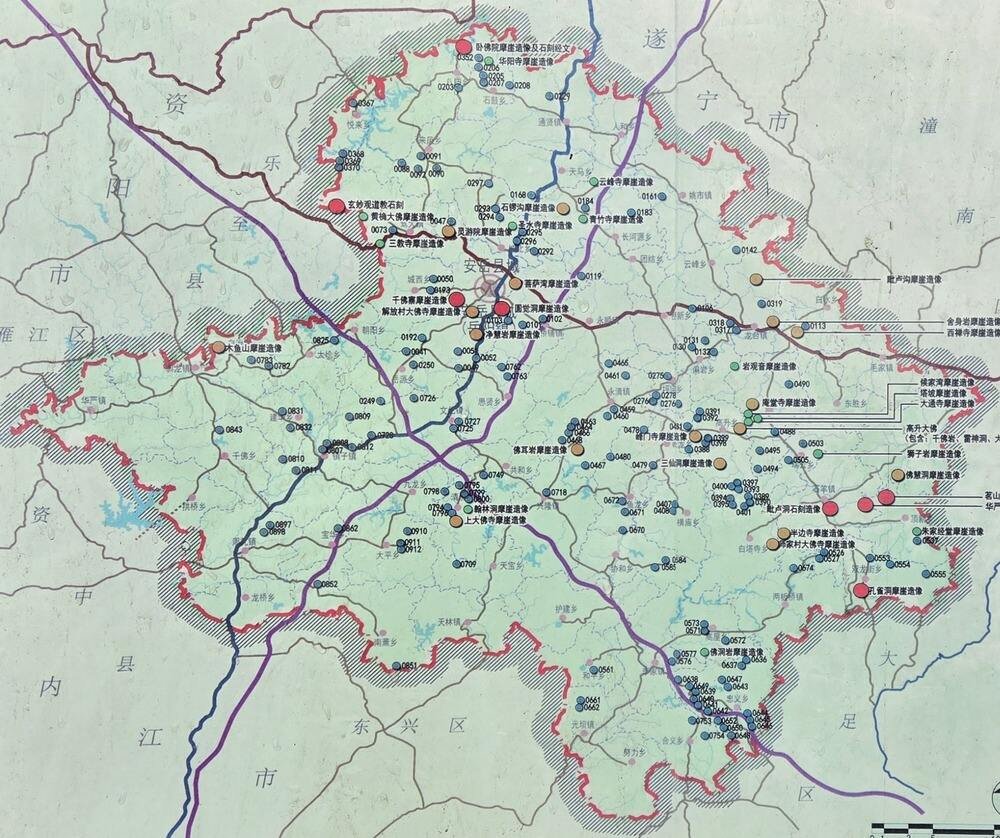
Tour Map of Anyue Grottoes:
Weather Information of Anyue County:
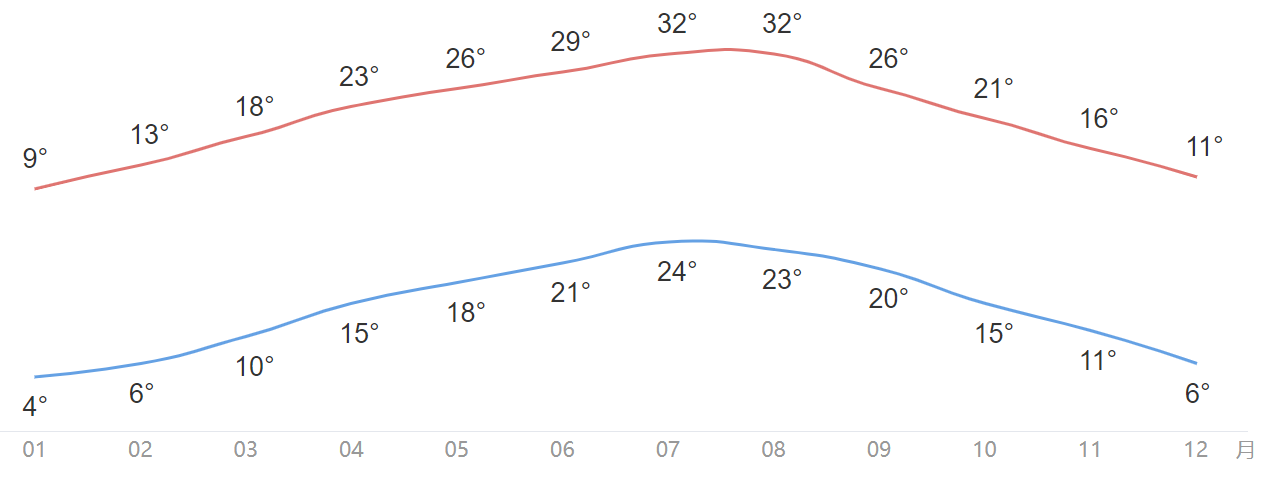 Note: From January to December, red line is the highest Centigrade in average, blue line is the lowest climate in average.