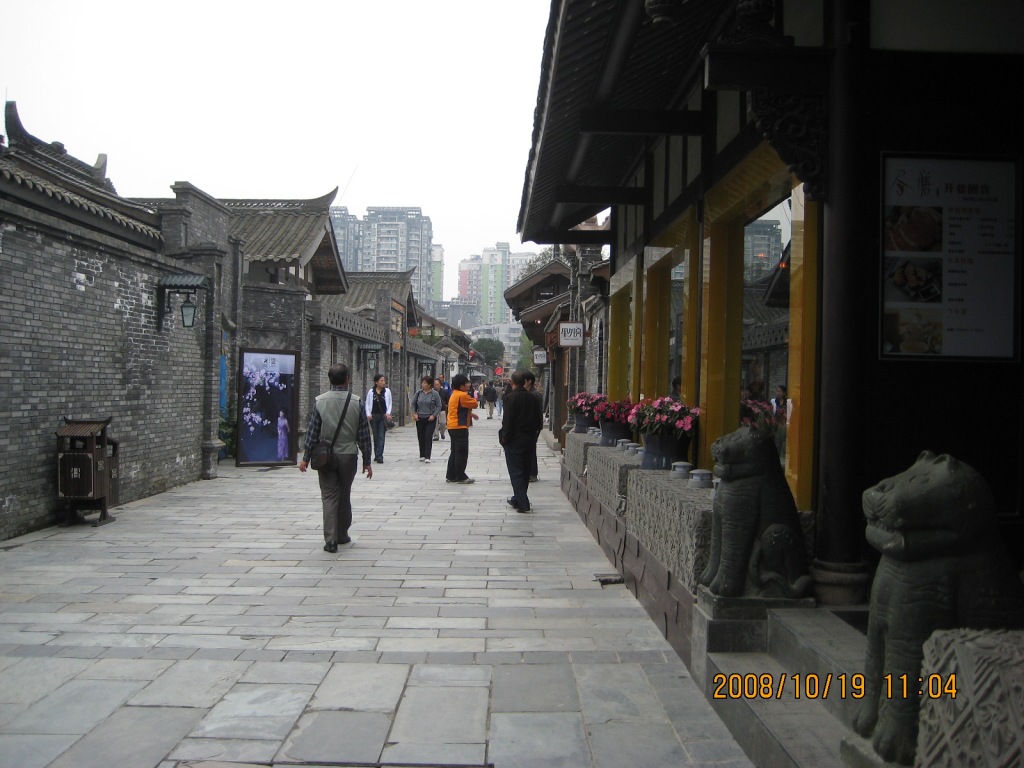
 As one of Chengdu’s most historic cultural districts, Kuanzhaixiangzi Alleys (Wide and Narrow Alleys) is a must-visit destination for travelers who want to experience the authentic lifestyle, traditions, and charm of old Chengdu.
Located in the heart of the city, the alleys preserve traditional courtyard houses, historic streets, local tea culture, Sichuan cuisine, and folk customs. They offer visitors a unique window into Chengdu’s past and present, where ancient traditions blend naturally with modern fashion and creativity.
A Historic District with Over 2,000 Years of History
To understand Kuanzhaixiangzi Alleys, it is necessary to look back at the long history of Chengdu.
According to Huayang Guozhi (Records of the Geography of Sichuan), after the ancient Shu Kingdom was conquered, the Qin Dynasty moved its administration to Chengdu. In 311 BC, the famous Qin official Zhang Yi rebuilt the city, marking the beginning of Chengdu’s development as an important urban center with a history of more than 2,300 years.
Legend says that Zhang Yi encountered difficulties while building the city walls because they repeatedly collapsed. A magical turtle appeared, walked around the construction area, and later died. Inspired by this event, Zhang Yi designed the city walls according to the turtle’s route, and the construction was finally successful.
Although this story is considered a legend, it reflects historical reality. Zhang Yi originally attempted to build Chengdu’s walls following the style of Xianyang, the capital of the Qin Dynasty. However, due to Chengdu’s different geographical conditions, he eventually chose higher and more stable land, creating a city layout that resembled the shape of a turtle.
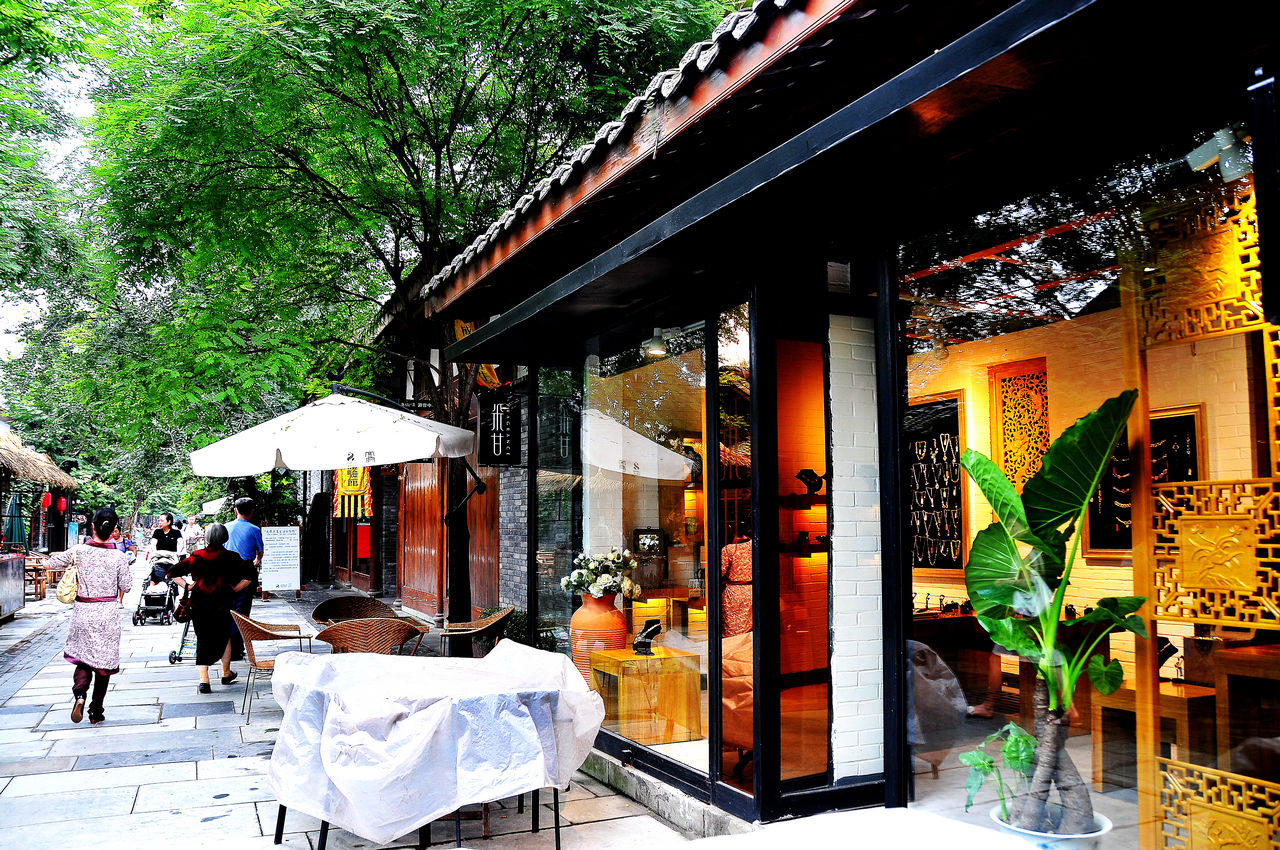 The Origin of Shaocheng (Small City)
The original city built by Zhang Yi covered mainly the eastern part of Chengdu. Later, another city area was developed, dividing Chengdu into two sections.
The larger eastern area was known as the “Big City,” while the western area became known as “Shaocheng” (Small City). Because of this unique urban structure, Chengdu was also called “Chongcheng,” meaning “Double City.”
Over the following two thousand years, Shaocheng experienced the rise and fall of many dynasties and gradually became one of the most representative historic areas of Chengdu.
The Manchu City and the Birth of Kuanzhai Alleys
During the Qing Dynasty, after the government defeated the Junggar invasion in 1718, Qing authorities stationed thousands of soldiers in Chengdu and rebuilt Shaocheng as a residential area for Manchu soldiers and their families.
The new Shaocheng contained 42 military lanes, and today’s Kuanzhai Alleys were among them. Changshun Street served as the central axis of this historic district.
Kuanxiangzi Alley (Wide Alley) was originally called Xinren Hutong during the reign of Emperor Xuantong in the late Qing Dynasty. The residents were mainly members of the Xianghuang Banner, one of the Manchu Eight Banners.
During the Republic of China period, the name was changed to Kuanzhai Alley as part of the social changes following the anti-imperialist and anti-feudal movements.
Kuan Alley (Wide Alley) – A Glimpse of Traditional Chengdu Life
Today, Kuan Alley reflects the relaxed lifestyle that Chengdu is famous for. Walking through the historic lanes, visitors can experience traditional courtyard architecture, enjoy a cup of Chengdu tea, taste authentic Sichuan dishes, and discover local handicrafts and folk culture.
The atmosphere here brings back memories of old Chengdu, where people enjoyed a slow pace of life surrounded by neighbors, tea houses, and traditional streets.
Kuan Alley is mainly a leisure and cultural area featuring:
* Traditional tea houses
* Local Sichuan restaurants
* Boutique hotels
* Cultural exhibitions
* Folk experience spaces
* Relaxation and wellness venues
Zhai Alley (Narrow Alley) – A Blend of Tradition and Modern Culture
Running parallel to Kuan Alley, Zhai Alley was historically known as Taiping Hutong during the Qing Dynasty. The name “Taiping” means “peace” in Chinese, reflecting people’s hope for a peaceful and stable life after years of conflict.
Today, Zhai Alley has developed into a fashionable cultural area featuring:
* International restaurants
* Coffee shops
* Boutique stores
* Art spaces
* Theme cultural venues
Although it has become a modern lifestyle destination, Zhai Alley still preserves the slow and relaxed rhythm of Chengdu life.
Jing Alley – Chengdu’s Modern Nightlife Area
Nearby Jing Alley was previously known as Ruyi Hutong and Mingde Hutong due to nearby buildings during different historical periods. After the 1911 Revolution, it gradually became known as Jing Alley.
Today, Jing Alley represents the younger and more creative side of Chengdu. At night, the area comes alive with bars, artistic spaces, themed venues, and colorful lights, creating a lively contrast to the traditional atmosphere of Kuan and Zhai Alleys.
Three Different Experiences in Kuanzhai Alleys
The three lanes together represent different aspects of Chengdu lifestyle:
Kuan Alley – Traditional Leisure Life
A place to experience old Chengdu through tea culture, local cuisine, and historic architecture.
Zhai Alley – Fashion and Cultural Creativity
A destination for modern dining, shopping, art, and cultural experiences.
Jing Alley – Contemporary Chengdu Nightlife
A trendy area popular among young travelers, featuring bars, creative spaces, and entertainment.
Travel Tips for Visiting Kuanzhaixiangzi Alleys
* Best time to visit: Morning for a quieter atmosphere; evening for nightlife and illuminated streets.
* Recommended duration: 2–3 hours for sightseeing, dining, and tea experiences.
* Location: Central Chengdu, easily accessible by public transportation.
* Best experience: Combine a visit with Chengdu tea culture, Sichuan cuisine, and nearby historic attractions.