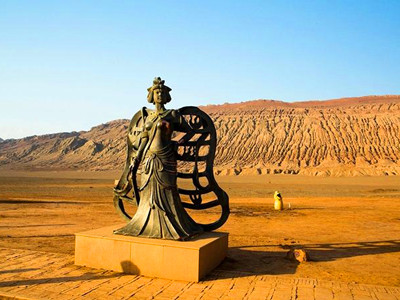
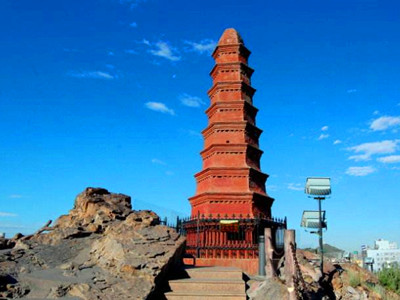
Located on the northern bank of the Muzat River, about 7 kilometers southeast of Kizil Village in Baicheng County, Aksu Prefecture, Xinjiang, the Kizil Thousand Buddha Caves is one of the oldest and most important Buddhist cave complexes in China. Recognized as a National First-Class Cultural Relic Protection Site, it represents the remarkable artistic achievements of the ancient Silk Road and the cultural exchanges between China, Central Asia, and South Asia.
Dating back to the late 3rd century, Kizil Caves are among the earliest large-scale Buddhist grottoes in China. The site flourished for several centuries before gradually declining after the late 8th century. Today, it remains one of the most valuable examples of ancient Buddhist art in Xinjiang.
History of Kizil Thousand Buddha Caves
The construction of Kizil Caves began during the period when Buddhism spread along the ancient Silk Road. Located on an important trade route connecting Central Asia and China, the caves became a major center for Buddhist religious activities and artistic development.
Unlike many later Buddhist cave sites in China, Kizil preserves strong influences from the artistic traditions of ancient Kucha culture, reflecting the multicultural character of the Silk Road.
The grotto complex extends for approximately 3 kilometers along the cliffs of the Muzat River valley and is divided into four main sections:
* Western Valley Area
* Central Valley Area
* Eastern Valley Area
* Back Mountain Area
Architecture, Sculptures, and Murals
The Kizil Thousand Buddha Caves contain a rich collection of Buddhist architecture, sculptures, and murals. Among the numbered caves, 236 caves have been identified, with surviving murals covering approximately 10,000 square meters.
 The murals mainly depict:
* Stories of Buddha’s life
* Buddhist teachings and legends
* Scenes of religious ceremonies
* Images of ancient society and daily life
The caves also contain numerous clay sculptures. One of the most remarkable examples is the Buddha statue in Cave No. 38 (New Cave No. 1), which reaches about 6 meters in length and is considered one of the largest surviving sculptures among the ancient Kucha grottoes.
A Window into Ancient Silk Road Life
Beyond religious themes, the murals of Kizil Caves provide valuable information about ancient life along the Silk Road. The paintings include scenes of:
* Agriculture and farming activities
* Hunting
* Trade journeys and merchants
* Music and dance performances
* Traditional clothing and customs
These artworks offer a vivid picture of the social, cultural, and economic life of ancient Central Asia.
The murals are especially famous for their:
* Rich and varied colors
* Elegant artistic composition
* Realistic depiction of daily life
* Strong cultural symbolism
* Unique artistic style
Cultural Significance
As one of the earliest and westernmost major Buddhist cave complexes in China, Kizil Thousand Buddha Caves hold exceptional historical and artistic value.
The site demonstrates how Buddhism traveled across the Silk Road and how different civilizations influenced each other through religion, art, and trade. Together with other famous grottoes in China, Kizil represents an important chapter in the history of Buddhist art.
For travelers interested in ancient civilizations, Silk Road history, and Buddhist culture, Kizil Thousand Buddha Caves offer a rare opportunity to explore one of Xinjiang’s greatest cultural treasures.