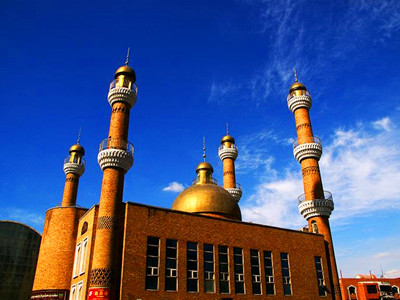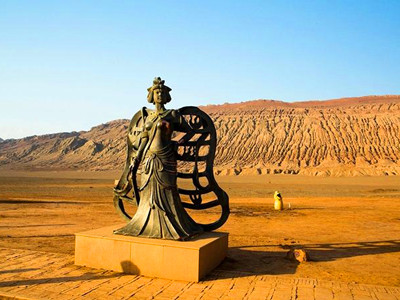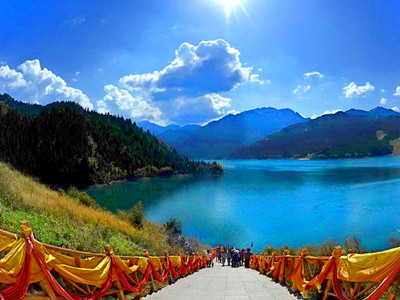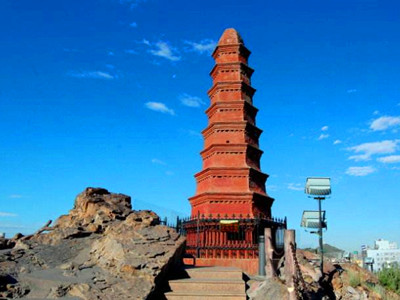




Located opposite the famous Id Kah Mosque, Kashgar Ancient City is the cultural heart of Kashgar and one of the most fascinating historical districts in Xinjiang. This traditional Uyghur neighborhood is a living showcase of Islamic architecture, ancient Silk Road history, and local folk traditions.
Covering approximately 4.25 square kilometers and home to more than 120,000 residents, Kashgar Old City preserves the atmosphere of an ancient oasis city. With its winding lanes, traditional houses, colorful markets, and vibrant community life, it is often described as a living painting of Uyghur culture.
Architecture and Traditional Uyghur Lifestyle
The Old City features a unique maze-like urban layout, with narrow streets crossing in different directions and houses arranged according to the natural environment and limited urban space.
Most traditional residences are built with combinations of earth, wood, brick, and stone, with some structures standing for more than a century. Many houses feature:
* Two- or three-story layouts
* Wooden staircases connecting rooms
* Flat rooftop terraces for sunlight and relaxation
* Small inner courtyards decorated with flowers and plants
The distinctive architecture reflects the adaptation of Uyghur communities to the desert climate and their traditional way of life. It is considered one of the best-preserved urban areas in China showcasing Islamic cultural influences.
History of Kashgar Old City
Kashgar has been an important center of trade and cultural exchange for more than 2,000 years.
The ancient city was originally known as Shule during the Han Dynasty (202 BC–220 AD). It was recorded by Zhang Qian, the famous Han envoy who traveled westward and helped establish connections between China and Central Asia.
During the Tang Dynasty (618–907), Kashgar became an important military and commercial settlement known as Shule Town. The region later became a major center of the Karakhanid Kingdom between the 11th and 13th centuries, further strengthening its role along the Silk Road.
Highlights of Kashgar Ancient City
The charm of Kashgar ANCIENt City comes from the combination of historical streets, traditional houses, local crafts, and vibrant Uyghur customs.
The narrow earth-and-stone streets create a fascinating maze-like experience. Some lanes extend more than 600 meters, while smaller alleys are only around 50 meters long.
Along the streets, visitors can discover traditional neighborhoods named after their historical functions, such as:
* Cooking oil markets
* Pottery-making areas
* Gold and silver craftsmanship districts
These names continue to reflect the commercial traditions that have shaped Kashgar for centuries.
Walking through the ancient City allows visitors to experience authentic Uyghur daily life, including traditional architecture, handicrafts, local cuisine, and warm hospitality. As one of the most important Silk Road destinations, Kashgar ancient City offers a rare glimpse into the cultural crossroads between China, Central Asia, and the Islamic world.