The Datong Nine Dragon Screen (九龙壁, Jiulongbi) is one of the most impressive ancient glazed screens in China. Built more than 600 years ago during the Ming Dynasty (1368–1644), it is the oldest, largest, and best-preserved glazed dragon screen in the country.
Located in Datong, Shanxi Province, the Nine Dragon Screen was originally constructed as a decorative wall in front of the residence of Zhu Gui, the 13th son of Zhu Yuanzhang, the founding emperor of the Ming Dynasty. Today, it stands as an important cultural attraction showcasing the exquisite craftsmanship and artistic achievements of ancient Chinese architecture.
The Datong Nine Dragon Screen is three times larger than the famous Nine Dragon Screen in Beihai Park, Beijing, making it a remarkable symbol of Ming Dynasty imperial culture.
Architecture and Design of the Nine Dragon Screen
The Datong Nine Dragon Screen is made of 426 specially fired glazed bricks. The magnificent structure measures approximately 45.5 meters long, 8 meters high, and 2.02 meters thick. The screen consists of three main sections: the pedestal, the main body, and the roof.
The rectangular pedestal is about 2.09 meters high. The central part of the pedestal is decorated with 75 glazed tiles featuring images of animals such as oxen, dogs, deer, and rabbits, reflecting traditional Chinese artistic styles.
The main body of the screen features nine vividly designed dragons surrounded by waves, clouds, mountains, plants, and water patterns. The central dragon, decorated with golden scales and bright eyes, represents power and authority. The surrounding dragons display different poses and expressions, appearing as if they are flying through clouds, controlling wind and rain.
The colorful glazed decoration creates a dynamic effect, with green waves at the bottom and blue and yellow clouds above. Every dragon has unique details, demonstrating the exceptional skills of ancient Chinese craftsmen.
The top section of the screen is covered with traditional glazed tiles, completing the elegant imperial design.
 A Reflection of Ancient Chinese Art
In front of the Nine Dragon Screen is a pond connected by a stone bridge. When sunlight shines on the colorful glazed surface, the reflection of the nine dragons appears on the water, creating a fascinating scene. The moving reflections caused by gentle breezes make the dragons seem alive.
The design of the screen reflects the traditional Chinese belief that dragons symbolize imperial power, prosperity, and protection. It also represents the high level of ceramic and architectural craftsmanship achieved during the Ming Dynasty.
Visiting Datong Nine Dragon Screen
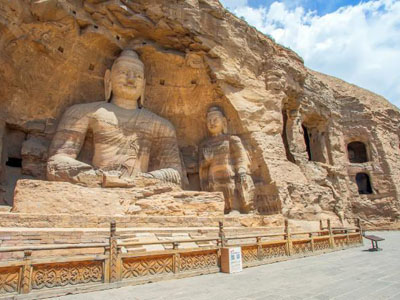
The Datong Nine Dragon Screen is a must-see attraction for visitors interested in Chinese history, traditional architecture, and ancient art. Together with other famous sites in Datong, such as the Yungang Grottoes and Huayan Temple, it offers travelers a deeper understanding of the city’s rich cultural heritage.
The best time to visit is from June to October when the weather is generally comfortable and suitable for sightseeing.
Visitors can easily reach the attraction from Datong Railway Station by taking local bus routes, including Bus No. 4.