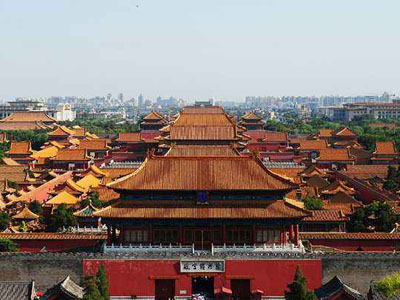




The Temple of Heaven (Tiantan) is one of Beijing’s most iconic historical landmarks and a masterpiece of ancient Chinese architecture. Located in the southern part of Beijing, the Temple of Heaven covers an area of approximately 2.73 million square meters and is one of the largest ancient sacrificial complexes in China.

Originally built in 1420 during the Ming Dynasty, the Temple of Heaven was the sacred place where emperors of the Ming and Qing dynasties held important ceremonies to worship Heaven, pray for good harvests, and seek blessings for the empire. As a symbol of the ancient Chinese belief in the relationship between Heaven and humanity, it represents the highest achievements of traditional Chinese ritual architecture.
In 1998, the Temple of Heaven was listed as a UNESCO World Heritage Site for its outstanding architectural design, cultural significance, and historical value.
Architectural Layout of the Temple of Heaven
The Temple of Heaven is a large complex consisting mainly of two major altar areas:
* The Circular Mound Altar (Yuanqiu Altar)
* The Hall of Prayer for Good Harvests (Qigu Dian)
The entire complex is divided into an Inner Altar and an Outer Altar. Its unique design follows the ancient Chinese cosmological concept of “round heaven and square earth.” The northern part of the complex is semicircular, while the southern part is square, symbolizing the traditional understanding of the universe.
The main structures are arranged along a central north-south axis:
Circular Mound Altar
Located in the southern part of the Temple of Heaven, the Circular Mound Altar was the place where emperors performed winter solstice ceremonies to worship Heaven. The main buildings include:
* Circular Mound Altar
* Imperial Vault of Heaven
The design emphasizes the connection between humans and Heaven through its circular shape, symbolic numbers, and carefully planned architecture.
Hall of Prayer for Good Harvests
Located in the northern section, the Hall of Prayer for Good Harvests is the most famous building in the Temple of Heaven. The magnificent triple-gabled circular hall was where emperors prayed for favorable weather and abundant harvests.
Other important buildings in this area include:
* Hall of Imperial Zenith
* Gate of Prayer for Good Harvests
A Symbol of Ancient Chinese Culture
Beyond its architectural beauty, the Temple of Heaven reflects the ancient Chinese philosophy of harmony between nature, society, and human beings. The elegant blue roofs, symmetrical layout, and impressive wooden structures demonstrate the advanced architectural skills of imperial China.
Today, the Temple of Heaven is not only a historical attraction but also a popular cultural destination where visitors can admire ancient architecture, learn about Chinese traditions, and experience one of Beijing’s most important heritage sites.
A visit to the Temple of Heaven offers travelers a deeper understanding of China’s imperial history, religious traditions, and architectural achievements.