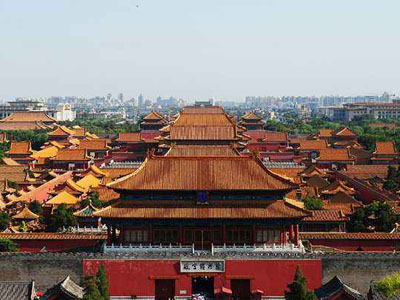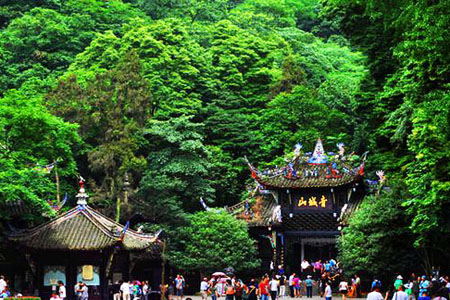




Located near the Lama Temple in Beijing’s Dongcheng District, the Beijing Confucius Temple is a peaceful and historically significant cultural site. Compared with the nearby Lama Temple, it receives fewer visitors, making it an ideal place to stroll through ancient courtyards, admire traditional architecture, and learn about China’s long-standing Confucian traditions.
Built in 1302 during the Yuan Dynasty (1271–1368), the Beijing Confucius Temple was the main imperial temple dedicated to Confucius, the great Chinese philosopher and educator. Along with later expansions during the Ming (1368–1644) and Qing (1644–1911) dynasties, the temple became an important place where emperors and scholars paid respect to Confucian teachings.
It is the second-largest Confucius Temple in China, after the Temple of Confucius, Qufu, Confucius’ hometown temple. Together with the neighboring Imperial College (Guozijian), it formed one of the most important centers for education and scholarship in imperial Beijing.
A Place Honoring Confucius and Ancient Scholars
The temple complex contains numerous stone steles engraved with the names of successful candidates who passed the imperial examinations. These examinations were the main pathway for entering China’s government bureaucracy and were extremely challenging, requiring years of intensive study.
During the imperial period, examination candidates faced strict conditions, including spending several days completing exams inside small individual examination cells. The pressure was immense, and historical records describe the hardships experienced by many scholars pursuing official careers.
Inside the temple grounds, visitors can see traditional halls, a statue of Confucius, ancient cypress trees, and hundreds of historic stone inscriptions. One of the most famous trees is the more than
700-year-old “Chujian Bai” (Touch Evil Cypress), a legendary tree that has become an interesting cultural symbol of the temple.

Imperial College and Confucian Education
Located directly west of the Confucius Temple, the Imperial College was the highest educational institution in ancient China. Here, emperors once delivered lectures on Confucian classics during important ceremonies, demonstrating the central role of Confucianism in government and education.
Today, the Beijing Confucius Temple and Imperial College provide visitors with a deeper understanding of China’s traditional education system, philosophy, and scholarly culture. Away from the busy streets of Beijing, this historic site offers a quiet journey into the intellectual heritage that shaped Chinese civilization for centuries.