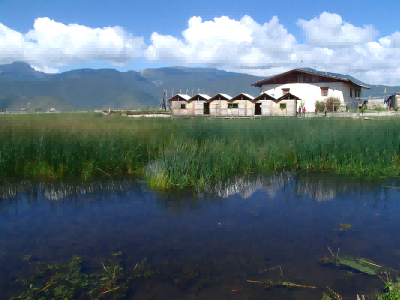
 Putatso National Park (Pudacuo 普达措国家公园), located in Hongpo Village, Jiantang Town, Shangri-La City, Diqing Tibetan Autonomous Prefecture, Yunnan Province, is one of the most beautiful natural reserves in southwest China. Situated in the heart of the “Three Parallel Rivers” World Natural Heritage Site, Pudacuo is a stunning destination featuring alpine lakes, ancient forests, wetlands, grasslands, and rich Tibetan cultural landscapes.
The park covers a vast area with elevations ranging from 2,347 meters to 4,670 meters above sea level. Thanks to its diverse terrain and unique plateau climate, Pudacuo preserves one of the most complete natural ecosystems in the region, including:
* Primitive alpine forests
* High-altitude meadows
* Wetlands and lakes
* Rivers and valleys
* Geological landscapes
With its remarkable biodiversity and untouched natural environment, Pudacuo National Park has significant ecological, scientific, and tourism value, making it a must-visit destination in Shangri-La, Yunnan.
Shudu Lake – A Peaceful Plateau Wetland
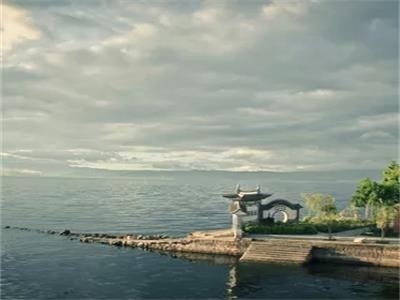
Shudu Lake is one of the main attractions of Putatso National Park and is located about 40 kilometers from Shangri-La City. It is one of the largest alpine lakes in the region and has been recognized as an internationally important wetland.
In Tibetan, “Shudu” means “cheese as solid as stone,” symbolizing the purity and stability of this beautiful plateau lake. Surrounded by forests, wetlands, and mountain meadows, Shudu Lake features a unique ecosystem combining:
* Plateau lake landscapes
* Marsh wetlands
* Alpine meadows
* Primitive dark coniferous forests
The lake is home to rich wildlife, including wild ducks, water birds, and other rare species. It is also famous for the local split-belly fish, a golden-colored fish with a distinctive abdominal feature and delicate taste.
Visitors can explore Shudu Lake through scenic hiking routes, including ecological walking trails along the river and lakeside paths, allowing travelers to fully experience the peaceful beauty of the plateau environment.
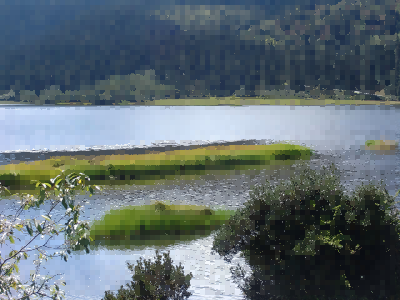 Bitahai Lake – The Emerald Jewel of Shangri-La
Bitahai Lake is another iconic scenic area within Putatso National Park. Known as one of the most beautiful alpine lakes in Yunnan, Bitahai preserves a nearly untouched ecosystem consisting of forests, wetlands, swamps, and alpine meadows.
In Tibetan, “Bita” means “oak trees transformed into felt.” The lake is surrounded by dense oak forests and ancient woodlands, where the reflections of trees create a stunning mirror-like scene on the clear blue water.
Bitahai Lake is also an important habitat for rare wildlife. The surrounding wetlands provide shelter and wintering grounds for birds such as the black-necked crane, while the lake supports rare fish species including the double-lipped fish.
The Bitahai ecological walking trail is approximately 4.4 kilometers long, offering visitors an excellent opportunity to enjoy forest scenery, lake views, and the peaceful atmosphere of Shangri-La’s high plateau.
Legends of Bitahai Lake
According to local Tibetan legends, when a goddess was dressing, she accidentally dropped her mirror from the sky. The broken pieces of the mirror became beautiful plateau lakes, and Bitahai Lake was one of the most precious emerald-like pieces.
Another legend connects Bitahai Lake with the epic Tibetan story “The Biography of King Gesar,” adding a mysterious cultural atmosphere to this sacred landscape.
Experience the Natural Beauty of Pudacuo National Park
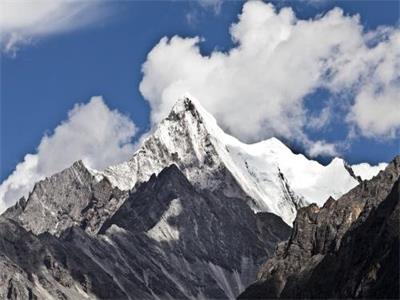
With its crystal-clear lakes, snow mountains, ancient forests, and Tibetan cultural heritage, Putatso National Park is one of the finest places to experience the natural beauty of Shangri-La.
Whether you are interested in photography, hiking, wildlife observation, or Tibetan culture, Putatso offers an unforgettable journey into one of China’s most spectacular plateau landscapes.