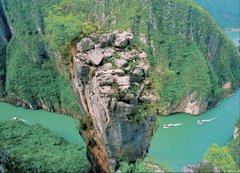
Located on the northern bank of the Yangtze River between Zhong County and Fuling District, Fengdu Ghost City (丰都鬼城) is one of the most unique cultural attractions encountered during a Three Gorges Yangtze River journey from Chongqing. Surrounded by mountains and facing the river, this ancient town is famous for its mysterious legends, historic temples, and traditional beliefs about the afterlife.
Often described as the “home of ghosts” in Chinese folklore, Fengdu offers visitors a fascinating insight into ancient Chinese ideas about morality, life, death, and the spiritual world.
Ming Mountain – The Legendary Spirit World
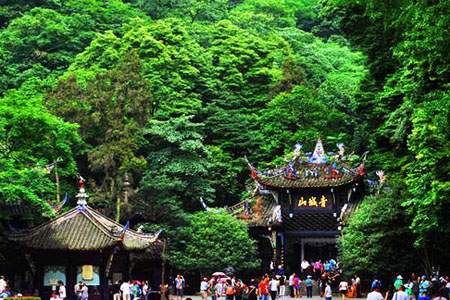
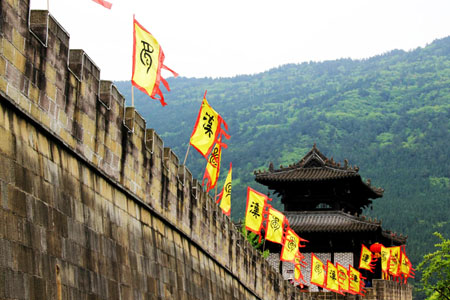
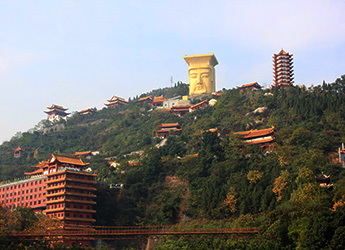
The heart of Fengdu Ghost City is Ming Mountain, where dozens of ancient temples and religious buildings are located. According to Taoist traditions, Ming Mountain was considered one of the legendary 72 sacred places connected with the spirit world.
Ancient beliefs held that after people passed away, their souls would gather in this otherworldly realm. The temples on Ming Mountain were built to represent the organization of the underworld, where various deities and guardians were believed to judge and manage the spirits of the dead.
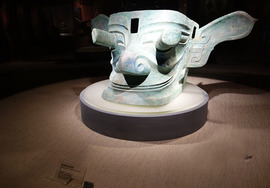
Fengdu’s temples feature numerous statues depicting supernatural figures, mythical guardians, and scenes from traditional Chinese beliefs about the afterlife. These artworks reflect centuries of religious imagination and folk culture.
Many temples were originally built during the Western Jin Dynasty (265–420) and later restored during the Ming and Qing dynasties (1368–1912), preserving the unique architectural style and cultural heritage of the area.
Legends Behind Fengdu Ghost City
The mysterious reputation of Fengdu is closely connected with legends about two Han Dynasty figures, Wang Fangping and Yin Changsheng.
According to folklore, both men lived during the Han Dynasty (206 BC–220 AD) and later became immortals through Taoist cultivation at Pingdu Mountain in Fengdu. Their stories became widely known among believers.
Over time, their names were combined into “Yin Wang,” meaning “King of Hell”, which contributed to Fengdu’s association with the underworld and transformed the town into a legendary spiritual destination.
 The famous Tang Dynasty poet Li Bai also mentioned Fengdu in his poetry, reflecting the fascination that this mysterious place inspired among ancient Chinese writers.
Temple Fairs and Traditional Performances
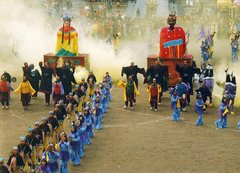
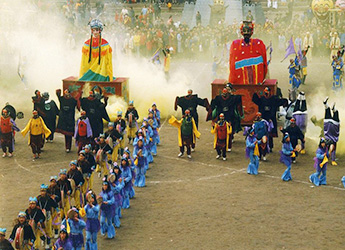
Every year, Fengdu hosts traditional temple fairs from the third day to the fifteenth day of the first lunar month. During this period, streets come alive with folk performances, cultural activities, and traditional “spirit shows.”
These events attract visitors and worshippers who come to experience local customs and learn more about Fengdu’s unique religious traditions.
More Attractions Around Fengdu
Besides Ming Mountain, Fengdu also offers several other attractions worth exploring:
* Shuanggui Mountain National Forest Park – A scenic area featuring beautiful forests and mountain landscapes.
* Ghost King Stone Carving – A remarkable stone artwork considered one of the finest examples of its kind.
* Ancient Han Tombs – Fengdu contains some of the largest collections of Han Dynasty tombs in China, dating back more than 2,000 years.
With its combination of legends, religious architecture, natural scenery, and historical relics, Fengdu Ghost City is a fascinating stop on any Yangtze River Three Gorges itinerary.