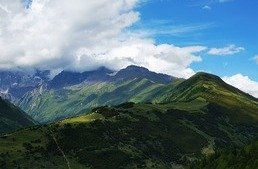
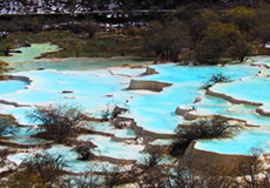
Jiuzhi County is located in the southeastern part of Golog Tibetan Autonomous Prefecture, Qinghai Province, at the junction of Qinghai, Sichuan, and Gansu provinces. It borders Aba County in Sichuan to the southeast, Banma County to the south, Gande County across the Yellow River to the northwest, and Maqu County in Gansu Province to the northeast. Covering an area of 8,757 square kilometers, Jiuzhi is a remote alpine destination renowned for its breathtaking mountain scenery, pristine lakes, and rich Tibetan Buddhist heritage.
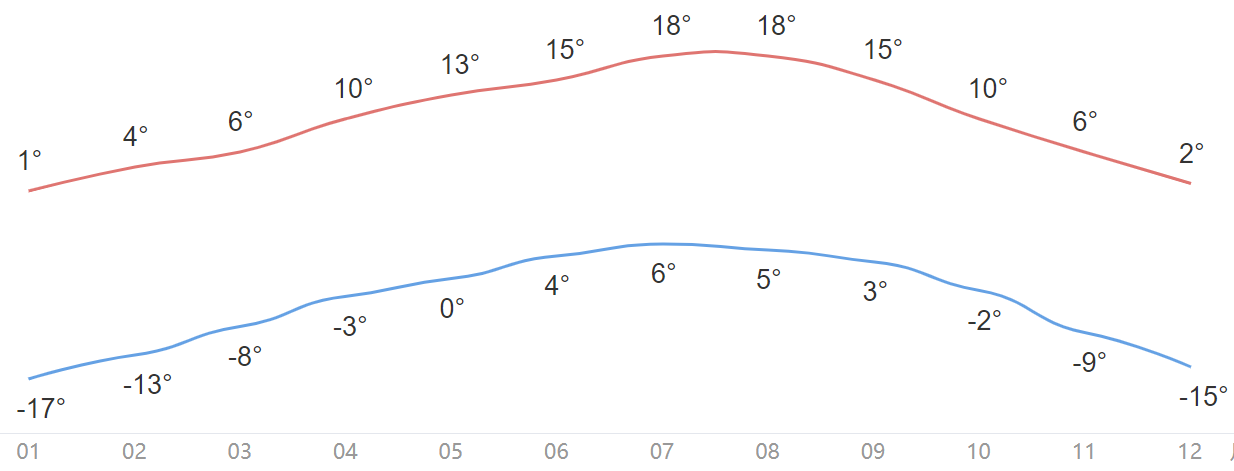
Situated on the eastern Qinghai-Tibet Plateau, Jiuzhi County has an average elevation of over 4,000 meters, with altitudes ranging from 3,568 meters to 5,369 meters. The region experiences a typical plateau climate characterized by cool summers, long and cold winters, strong sunshine, and significant temperature differences between day and night.
Jiuzhi County is home to more than ten major tourist attractions. Among them, Nianbaoyuze National Geopark is the region’s most famous natural landmark, while Baiyu Datang Monastery is recognized as a Provincial Key Cultural Relic Protection Site.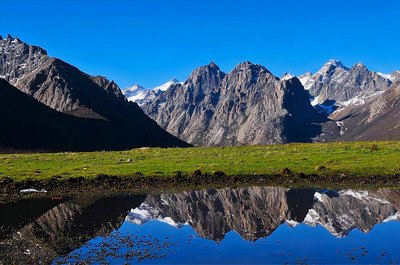
Tibetan Buddhist Culture
Jiuzhi County has a long history of Tibetan Buddhism and is home to 11 Tibetan Buddhist monasteries representing several major traditions, including the Nyingma, Gelug, and Jonang schools. Among these, the Nyingma School, the oldest tradition of Tibetan Buddhism, has the strongest presence, with seven monasteries throughout the county.
The county is also one of the few remaining centers of the Jonang School. Modern surveys have identified only 34 Jonang monasteries across Qinghai and Gansu Provinces, with two located in Jiuzhi County. Among them, Jianu Monastery is particularly influential and continues to preserve its unique teachings, meditation practices, and religious traditions. These monasteries are not only important pilgrimage destinations but also valuable sites for studying the history, development, and cultural heritage of Tibetan Buddhism.
Nianbaoyuze National Geopark
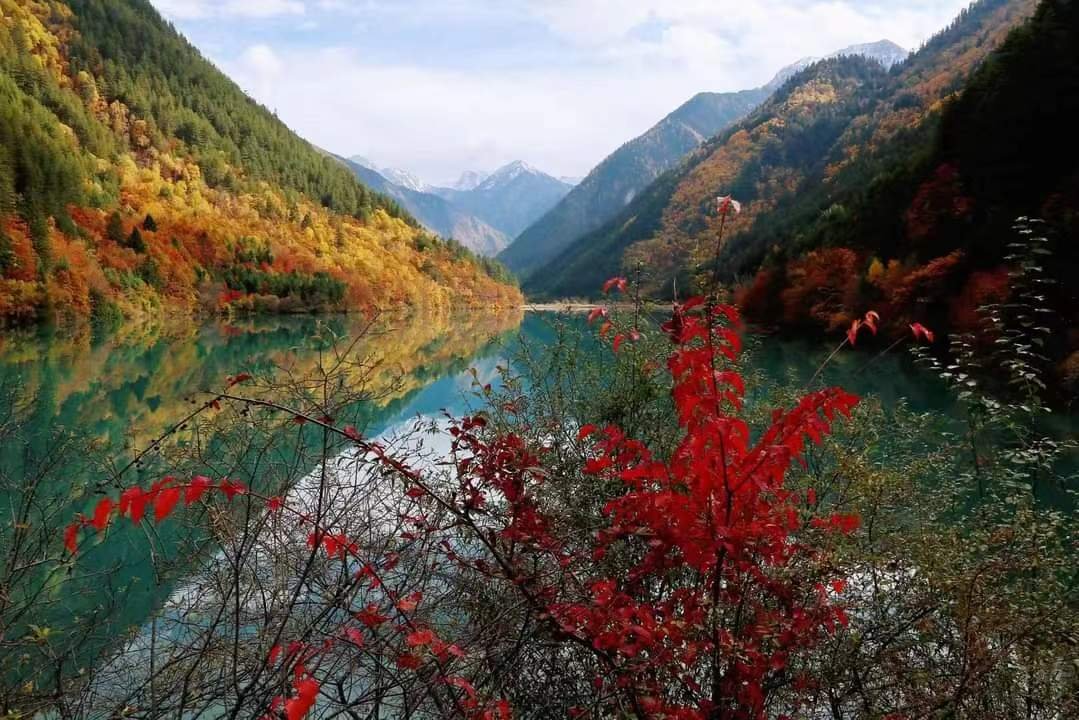
Nianbaoyuze National Geopark is the crown jewel of Jiuzhi County. Covering approximately 2,238 square kilometers, the geopark extends across Jiuzhi County, Banma County in Qinghai Province, and Aba County in Sichuan Province.
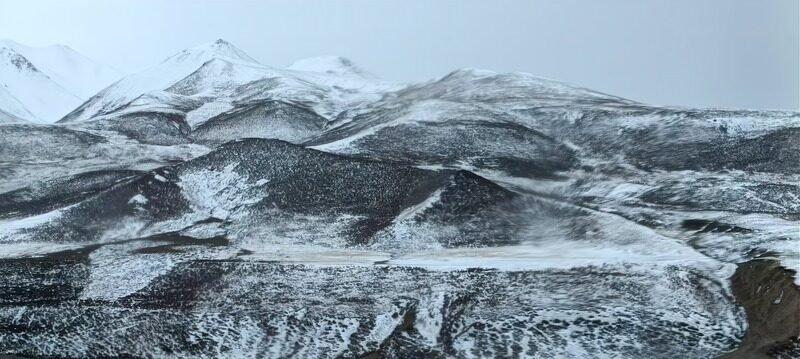
Part of the Bayan Har Mountains, Nianbaoyuze is regarded as one of the sacred mountains of the Golog Tibetan people and is traditionally believed to be the birthplace of the Golog tribes. The mountain range stretches about 40 kilometers from east to west and 25 kilometers from north to south, featuring dozens of snow-covered peaks rising above 4,000 meters.
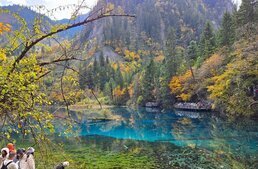
Its highest summit reaches 5,369 meters, with glaciers covering approximately 7–8 square kilometers. More than 360 glacial lakes are scattered among the mountains, creating an extraordinary landscape of turquoise alpine lakes, glaciers, dramatic rock formations, and pristine grasslands. The park is also a popular destination for hiking, landscape photography, wildlife observation, and high-altitude adventure.
Baiyu Datang Monastery
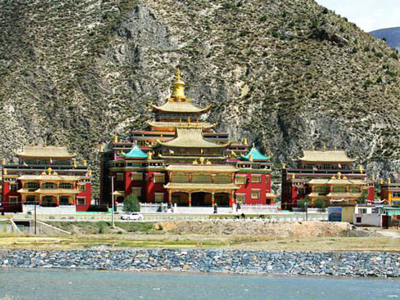
Built in 1857, Baiyu Datang Monastery is located southwest of Jiuzhi County, between the northern and southern routes of the historic Sichuan–Tibet Highway. Nestled against a rocky hillside covered with alpine shrubs and overlooking the tranquil Oko River, the monastery enjoys an exceptionally peaceful natural setting.
As one of the most important Nyingma monasteries in Qinghai Province, Baiyu Datang Monastery is renowned for its grand scale, distinctive Tibetan architecture, and profound religious significance. The monastery complex includes seven assembly halls, three Buddhist temples, three stupas, eight scripture repositories, and living quarters for more than 1,000 monks. Its magnificent buildings, rich collection of Buddhist scriptures and religious artifacts, and centuries-old traditions make it an important center for Tibetan Buddhism as well as a fascinating cultural destination for visitors.
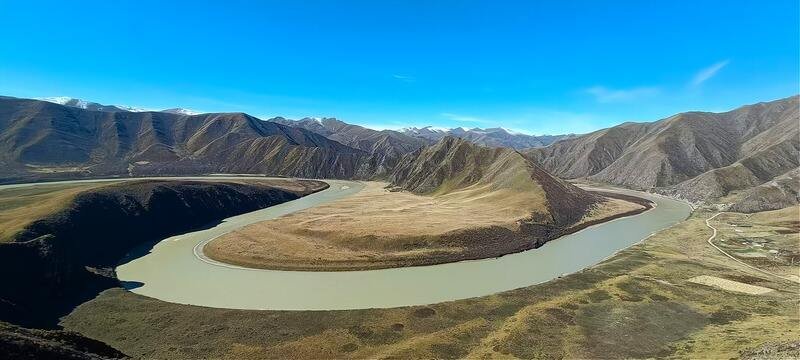
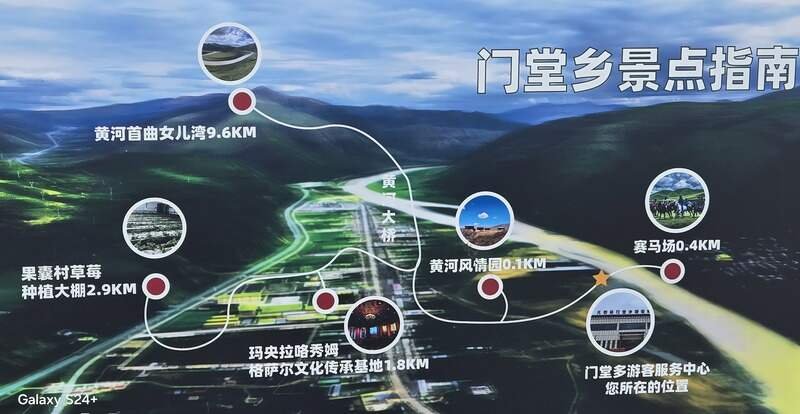
Big Daughter Bay of Yellow River
Alimaqin Mountain:
Tour Map of Jiuzhi:
Weather Information of Jiuzhi County: