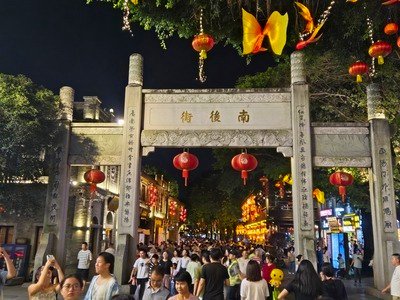
Located along Nanhou Street in Gulou District, Fuzhou, Fujian Province, Sanfang Qixiang (Three Lanes and Seven Alleys) is one of China’s best-preserved historic neighborhoods. Covering approximately 45 hectares, this remarkable cultural district showcases centuries of traditional urban planning, elegant courtyard residences, and rich cultural heritage. Often described as “a living fossil of China’s ancient neighborhood system” and “a museum of Ming and Qing architecture,” it is one of Fuzhou’s most iconic attractions.
A Historic District with More Than 1,700 Years of History
The origins of Sanfang Qixiang date back to the Jin Dynasty (4th century), with major development during the Tang Dynasty and the Five Dynasties period. The district flourished during the Ming and Qing dynasties, when many wealthy families, scholars, and government officials built the elegant residences that still stand today.
Over the centuries, the neighborhood has preserved its original street layout and architectural character, making it one of the largest and most intact historic urban districts in China. Today, visitors can stroll through its stone-paved lanes and experience the atmosphere of traditional Fuzhou while exploring beautifully restored historic buildings.
Explore the Three Lanes and Seven Alleys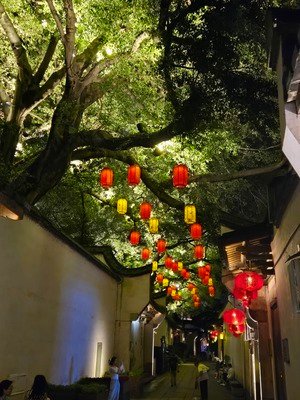
The district is centered on Nanhou Street, with a traditional layout consisting of three historic lanes and seven ancient alleys.
The Three Lanes include:
* Yijin Lane
* Wenru Lane
* Guanglu Lane
The Seven Alleys include:
* Yangqiao Alley
* Langguan Alley
* Taxiang Alley
* Huangxiang Alley
* Anmin Alley
* Gong Alley
* Jibi Alley
Together, these interconnected streets form a fascinating maze of historic residences, cultural landmarks, museums, boutique shops, tea houses, and local restaurants.
A Masterpiece of Traditional Fujian Architecture
Sanfang Qixiang is renowned for its elegant Ming and Qing Dynasty architecture. The traditional residences feature whitewashed walls, grey-tiled roofs, horse-head gables, intricately carved wooden doors and windows, spacious courtyards, ornamental gardens, pavilions, rockeries, and tranquil ponds.
The sophisticated architectural design reflects the wealth, artistic taste, and refined lifestyle of Fuzhou’s scholarly elite, while preserving the distinctive characteristics of traditional Fujian residential architecture.
Birthplace of Scholars and Cultural Icons
For centuries, Sanfang Qixiang served as the residential quarter of many of Fujian’s most influential scholars, officials, military leaders, writers, and educators. Numerous historic residences have been converted into museums that introduce visitors to the lives and achievements of these distinguished figures.
Because of its exceptional concentration of cultural heritage, the district has long been regarded as one of China’s most important historic neighborhoods and a symbol of Fuzhou’s intellectual and cultural traditions.
A Vibrant Cultural Destination
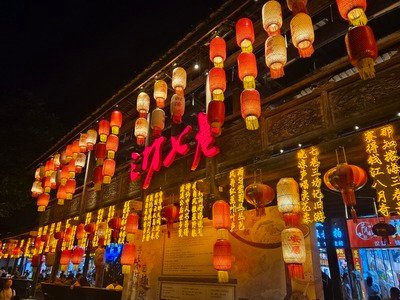
Today, Sanfang Qixiang seamlessly blends historical preservation with modern tourism. Visitors can enjoy:
* Walking through beautifully preserved historic lanes
* Visiting traditional courtyard residences and museums
* Shopping for Fujian handicrafts and local specialties
* Sampling authentic Fuzhou cuisine and traditional snacks
* Relaxing in tea houses and cultural cafés
* Enjoying seasonal festivals and cultural performances
* Discovering the history of one of China’s finest historic districts
Clear visitor maps and well-designed walking routes make the area easy to explore on foot.
Why Visit Sanfang Qixiang?
As one of the largest and best-preserved historic districts in China, Sanfang Qixiang offers a unique opportunity to experience the elegance of traditional Chinese urban life. Its outstanding architecture, rich cultural heritage, charming pedestrian streets, and vibrant local atmosphere make it a must-visit destination in Fuzhou.
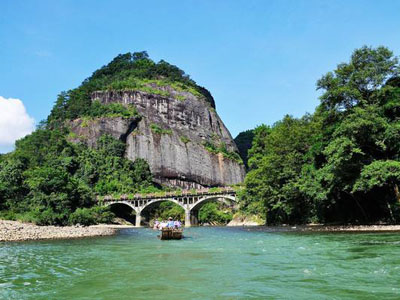
Often included in Fujian travel itineraries alongside West Lake Park, Gushan (Drum Mountain), and Mount Wuyi, Sanfang Qixiang provides an unforgettable journey through more than 1,700 years of Chinese history and culture.