 Chaozhou City, located in eastern Guangdong Province along the middle and lower reaches of the Han River, is one of the most important historical and cultural cities in southern China.
With a history of more than 1,600 years, Chaozhou is an important birthplace of Chaoshan culture, a significant branch of Lingnan culture and Chinese civilization. As an ancient maritime gateway, Chaozhou played an important role in the Maritime Silk Road and served as a cultural and commercial connection between mainland China and Taiwan.
Today, Chaozhou is famous worldwide for its unique traditions, including:
* Chaozhou cuisine
* Kung Fu tea culture
* Traditional architecture
* Folk customs
* Overseas Chinese heritage
It is also one of the most important hometowns of overseas Chinese in China. There are approximately 12 million people of Chaozhou origin and their descendants living around the world, especially in Hong Kong, Macao, Taiwan, Thailand, Singapore, Australia, the United States, and European countries.
Unique Cultural Heritage of Chaozhou
She Ethnic Culture
The She ethnic group is the only officially recognized ethnic minority community in Chaozhou.
Phoenix Mountain (Fenghuang Mountain) in northern Chao’an District is regarded as the birthplace of She culture and is respected by more than 700,000 She people across China.
She culture is an important part of Chaozhou’s cultural identity, featuring:
* Traditional songs
* Folk customs
* Mountain lifestyles
* Unique festivals
* Ethnic legends
Visitors to Phoenix Mountain can experience the connection between natural landscapes and ancient ethnic traditions.
 Tanka Fishing Culture
The Tanka people, also known as the Dan people, are traditionally associated with fishing communities along the coast of Chaoshan.
Their fishing songs and maritime lifestyle have contributed greatly to the development of Chaoshan literature, music, and cuisine.
Traditional seafood practices, fishing techniques, and coastal food culture have deeply influenced Chaozhou cuisine.
One famous example is:
Chaozhou Fish Rice (Yumi)
which originated from the Tanka fishing tradition and remains a classic local delicacy today.
Top Tourist Attractions in Chaozhou
Longhu Ancient Village
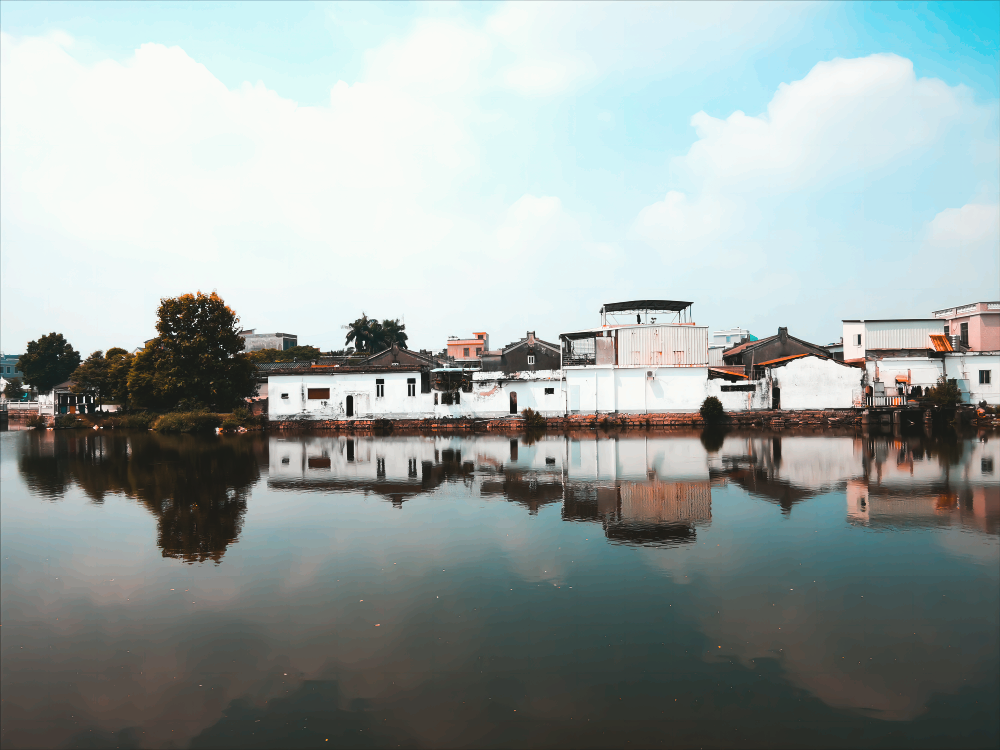
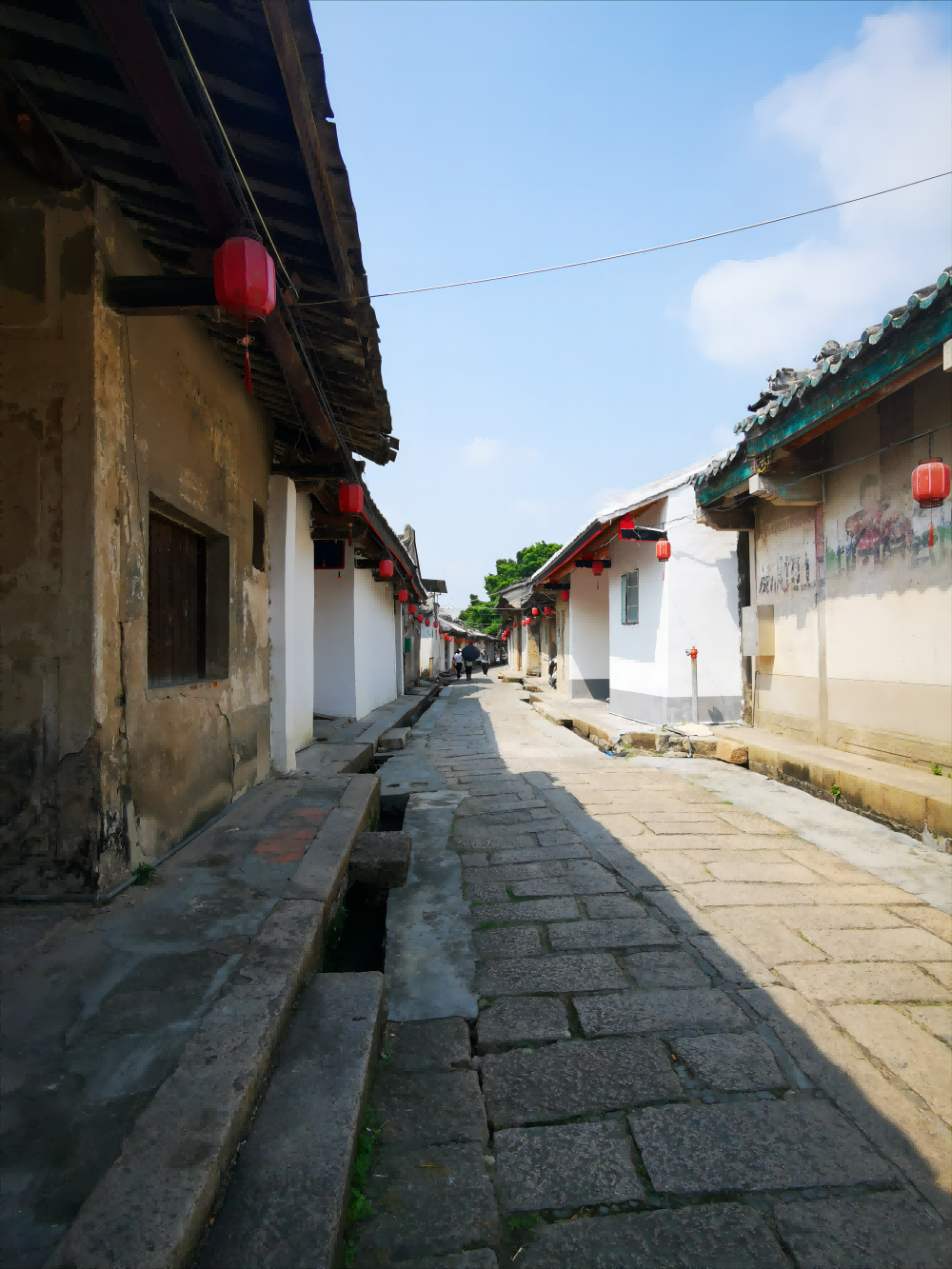
Longhu Ancient Village is located along the middle and lower reaches of the Han River. First established during the Southern Song Dynasty, the village developed into an important commercial town during the Ming and Qing Dynasties.
Today, it preserves more than 100 ancient buildings and is known as the:
“Chaoshan Ancient Architecture Museum”
In 2012, Longhu Ancient Village was selected as one of the Ten Most Beautiful Ancient Villages in Guangdong Province.
The village is famous for:
* Ancient ancestral halls
* Traditional residences
* Historic temples
* Stone inscriptions
* Calligraphy works
* Traditional Chaoshan architecture
The overall layout of the village follows traditional Bagua (Eight Trigrams) cultural principles, creating a unique spatial design.
Historically, Longhu produced 53 successful candidates in imperial examinations, reflecting the importance placed on education and culture in the region.
The village is an excellent destination for learning about:
* Chaozhou immigrant culture
* Commercial history
* Traditional architecture
* Folk customs
 Han Yu Memorial Hall
The Han Yu Memorial Hall is located on the eastern bank of the Han River at the western foot of Hanshan Mountain.
It was built to commemorate Han Yu, one of the most influential writers and politicians of the Tang Dynasty, who played an important role in Chaozhou’s cultural development.
The memorial complex is connected with the famous Xiangzi Bridge across the river and features:
* Traditional temples
* Stone inscriptions
* Memorial corridors
* Gardens
* Pavilions
* Scenic mountain views
The architecture combines historical monuments with natural landscapes, creating an important cultural attraction in Chaozhou.
Guangji Bridge: One of China’s Four Ancient Bridges
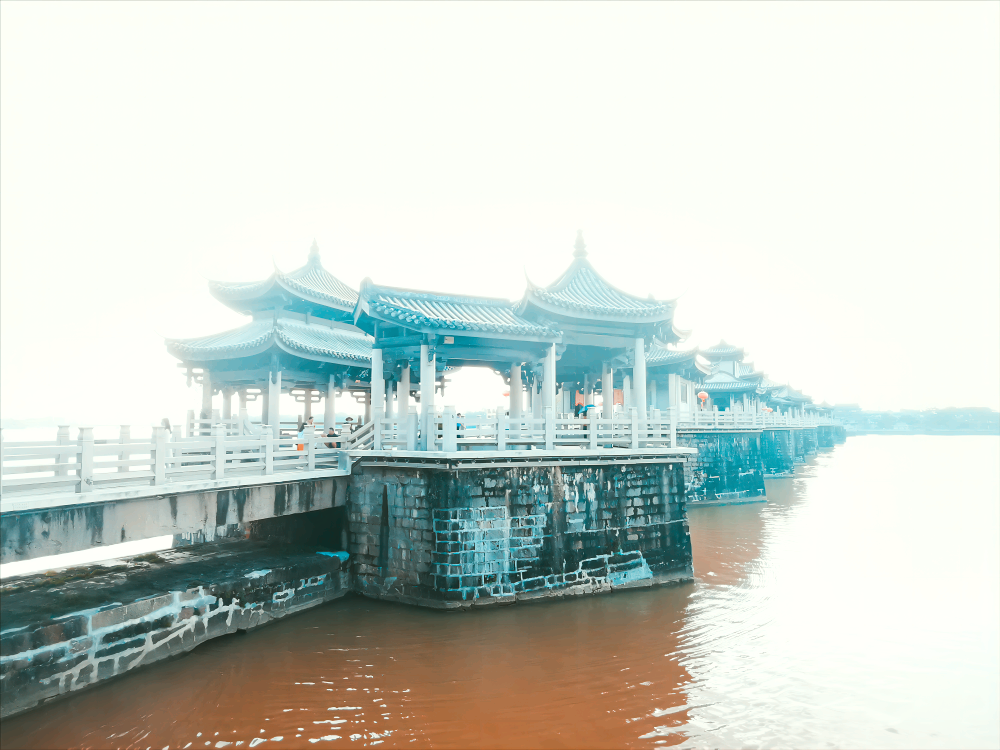
Guangji Bridge (Xiangzi Bridge) is one of the most famous landmarks in Chaozhou.
Located east of Chaozhou Ancient City, the bridge crosses the Han River and historically connected Guangdong with Fujian and Zhejiang.
It is recognized as one of the Four Ancient Bridges of China and is famous for its unique opening and closing structure.
Bridge expert Mao Yisheng praised Guangji Bridge as:
“The earliest open-and-close bridge in the world.”
Built during the Southern Song Dynasty in 1171, the bridge combines three different structures:
* Stone beam bridge
* Floating boat bridge
* Arch bridge
The total length is approximately 518 meters, including:
* Eastern bridge section: 283.35 meters
* Western bridge section: 137.3 meters
* Central floating section: 97.3 meters
The unique design reflects the remarkable engineering skills of ancient Chinese craftsmen.
Chaozhou Ancient City
Chaozhou Ancient City is the historic heart of the city and one of China’s National Historical and Cultural Cities.
The old city is famous for its unique combination of:
* Ancient architecture
* Chaozhou dialect
* Traditional cuisine
* Kung Fu tea culture
* Folk customs
 The city’s landscape follows the traditional pattern of:
“Three mountains surrounding water”
Chaozhou has more than 700 cultural relic sites and historic attractions, including:
* Guangji Bridge
* Kaiyuan Temple, built during the Tang Dynasty
* Ancient streets and traditional residences
Walking through Chaozhou Ancient City allows visitors to experience centuries of southern Chinese history.
Jieyang Confucius Temple (Jieyang School Palace)
Located in Rongcheng District, Jieyang City, the Jieyang Confucius Temple, also known as Jieyang School Palace, is one of the three major Confucian academies in Guangdong Province.
Originally built in 1140 during the Southern Song Dynasty, it was rebuilt during the Qing Dynasty in 1876.
The existing complex includes:
* 21 individual buildings
* A total area of approximately 16,000 square meters
It is the:
* Largest
* Most complete
* Best-preserved
Confucian architectural complex of its kind in the Lingnan region.
The temple represents traditional Ming and Qing architectural styles and remains an important symbol of Chaoshan education and culture.
Jieyang: The Asian Jade Capital
Jieyang is known as the: “Jade Capital of China”
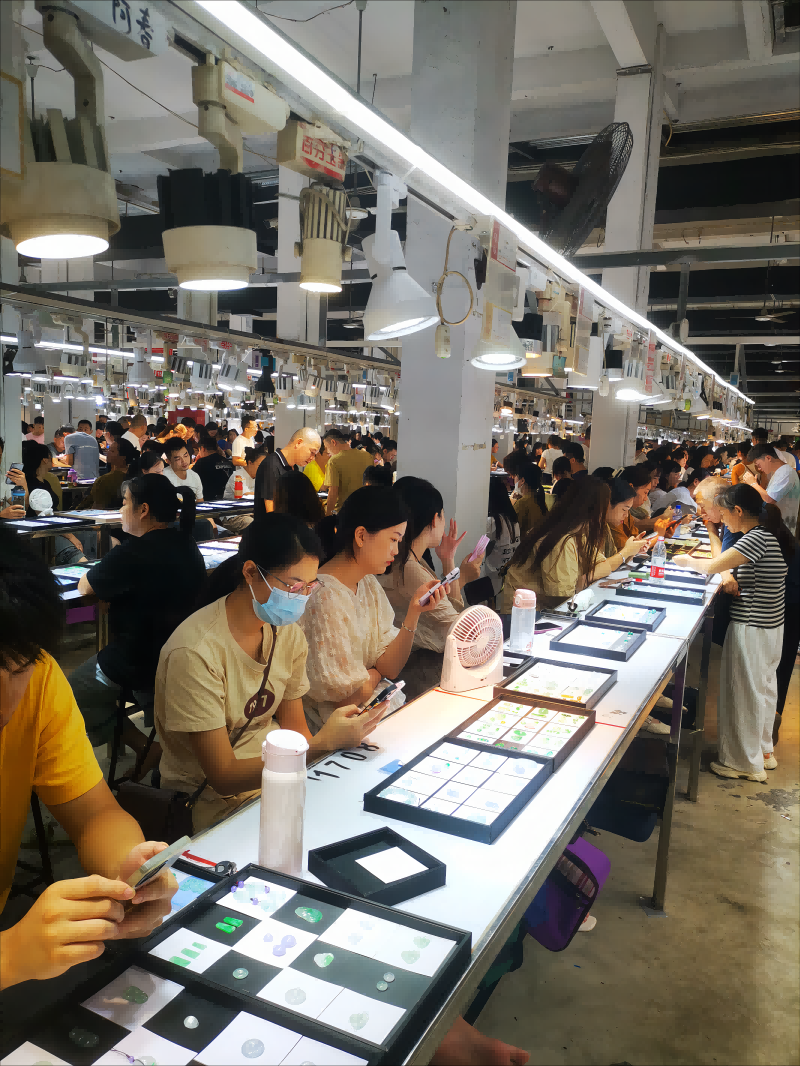
The city has more than 100 years of jade craftsmanship history and has developed into one of China’s most important centers for:
* High-quality jade production
* Jade carving
* Wholesale trading
Yangmei District is the core area of the jade industry, with:
* More than 4,800 jade-related enterprises
* Around 126,000 employees
Today, Jieyang has become an important center for jade craftsmanship and trade throughout Asia.
Nan’ao Island: A Tropical Island Paradise in Guangdong
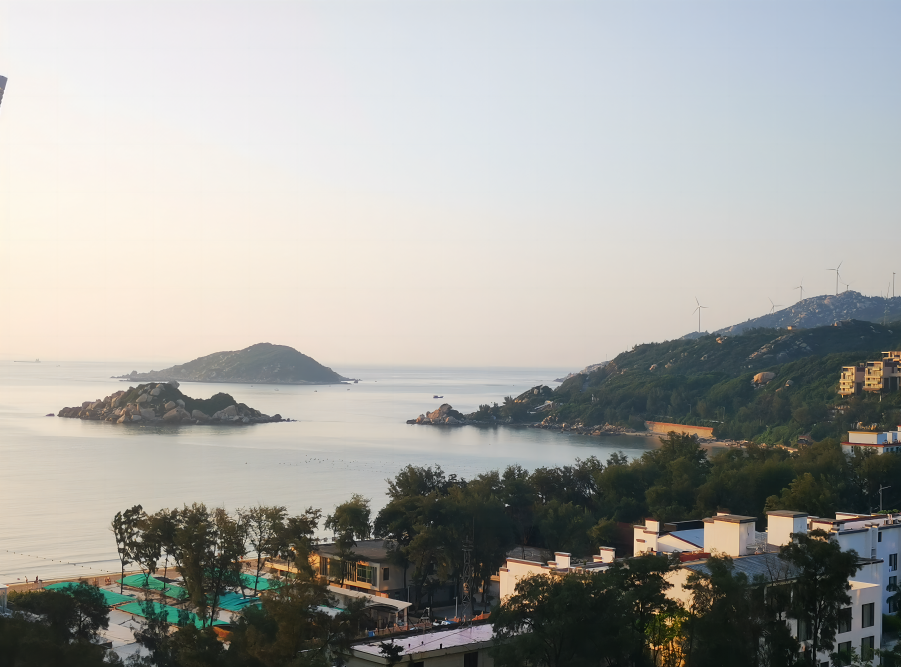
Nan’ao Island is located in the southeast coastal area of Guangdong Province, facing Zhelin Bay to the north and the South China Sea to the south.
The island stretches:
* 21.5 kilometers from east to west
* 10.5 kilometers from north to south
with a total area of approximately 117.73 square kilometers.
The Tropic of Cancer passes through the island, creating a pleasant subtropical climate.
Major mountains include:
* Dajian Mountain: 588.1 meters
* Guoluo Mountain: 573.3 meters
* Bainiudajian Mountain: 524.3 meters
Nan’ao Island is the only national 4A-rated island tourist attraction among mainland China’s 12 island counties and districts.
The island offers diverse tourism experiences combining:
* Ocean scenery
* History
* Mountains
* Temples
* Forest landscapes
Major attractions include:
* Song Well
* General Military Mansion
* Qing’ao Bay
* Nan’ao Island National Forest Park
With beautiful beaches, rich history, and unique island culture, Nan’ao Island is one of the best coastal destinations in Guangdong.
Why Visit Chaozhou?
Chaozhou is a destination where ancient traditions remain alive.
Travelers can experience:
* Thousands of years of history
* Authentic Chaoshan culture
* World-famous Chaozhou cuisine
* Traditional Kung Fu tea ceremonies
* Ancient bridges and villages
* Overseas Chinese heritage
* Beautiful coastal landscapes
For visitors exploring Guangdong, Chaozhou offers one of the most authentic cultural experiences in southern China.