



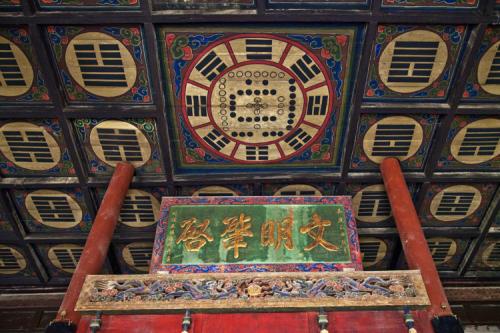
fuxi-temple
maiji-mountain
maiji-mountain-1
fuxi-temple-1
2 Days Tianshui Tour From Lanzhou
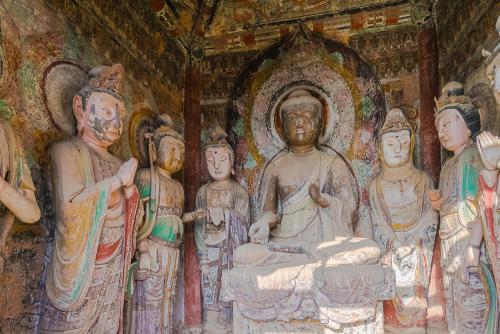
Two day Lanzhou & Tianshui tour, you will visit Maiji Mountain, which owns one of the four biggest grottoes in China. The Both an artistic ex- pression of Buddhist culture and a reflection of the politics,economy,and social culture of the time,the caves have pre- served for today a huge wealth of physical data of religion, fine art,architecture,calligraphy,music,costume,and medicine. Finally, you are going to local folklore museum to learn the local folklore including birthday, wedding, study room, paper-cut, embroidery.
from
$.00
Duration: 2 Days
Tour Code: CE-TS-2D-01
Departure Date:
Tour Attractions:Maiji Mountain, Fuxi Temple, Folklore Museum.
Feature:
Tour Type: /Tour guide + driver + meals + hotel
Tour Code: CE-TS-2D-01
Departure Date:
Tour Attractions:Maiji Mountain, Fuxi Temple, Folklore Museum.
Feature:
Tour Type: /Tour guide + driver + meals + hotel
Day 1: Lanzhou – Tianshui – Maiji Mountain Grottoes
Your private guide will meet you in Lanzhou and accompany you to the railway station for a high-speed train to Tianshui. Upon arrival, continue to Maiji Mountain Grottoes, one of China’s major Buddhist grotto complexes and a highlight of Tianshui.
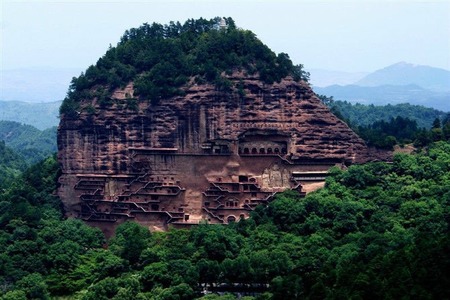
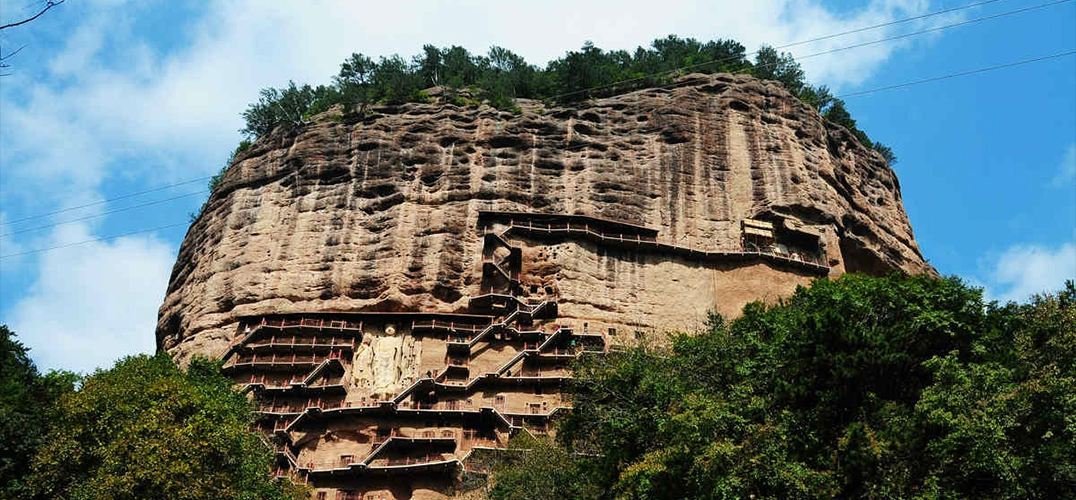
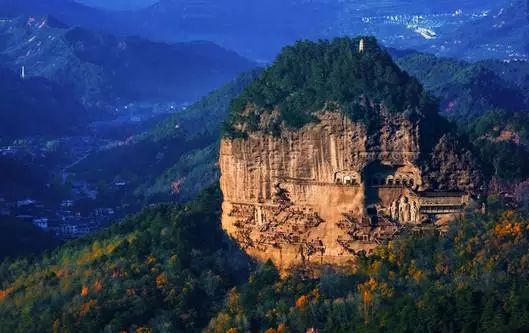
Maiji Mountain gets its name from its distinctive shape, which resembles a stack of wheat straw. The Maiji Mountain Scenic Area covers approximately 215 square kilometers and includes several important cultural and natural attractions, including Maiji Mountain, Immortal Cliff, Shimen, Quxi, and Jieting Ancient Town.
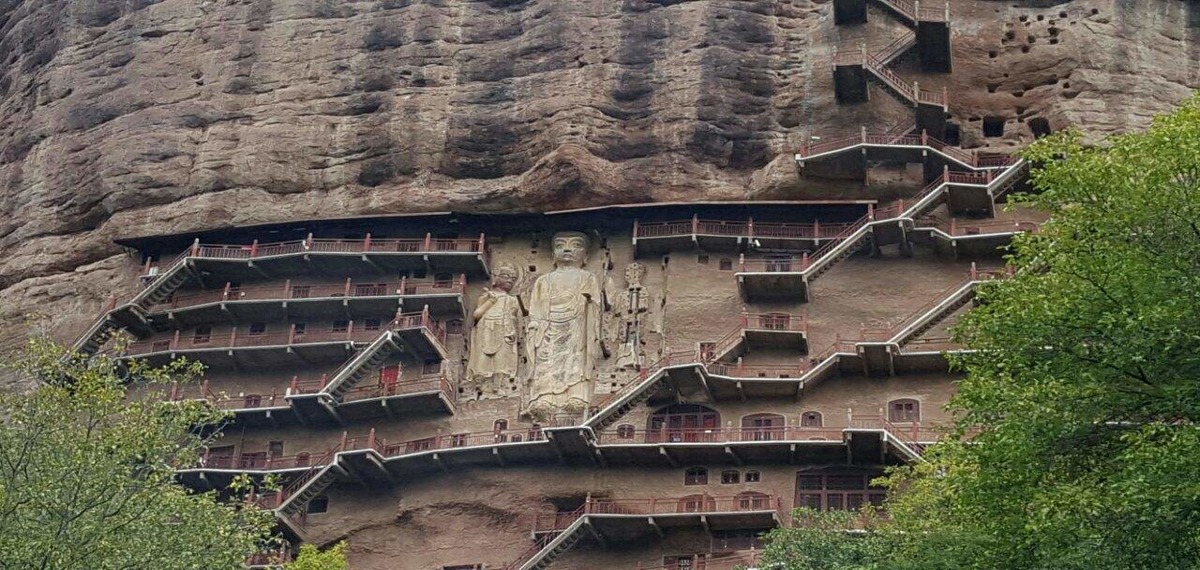
The highlight of the area is the Maiji Mountain Grottoes, famous for its Buddhist statues and murals carved into the steep cliffs of the mountain. Dating back to the Later Qin period of the Sixteen Kingdoms, the grottoes have been expanded and restored over many centuries, preserving valuable examples of Buddhist art from different historical periods.
In 2014, the Maiji Mountain Grottoes were inscribed on the UNESCO World Heritage List as part of the Silk Roads: the Routes Network of Chang’an-Tianshan Corridor, reflecting their important historical and cultural significance along the ancient Silk Road.
Spend the rest of the day exploring the grottoes and surrounding scenery. After the visit, your guide will accompany you to your hotel in Tianshui for an overnight stay.
Day 2: Fuxi Temple – Tianshui Folklore Museum – Lanzhou – Departure
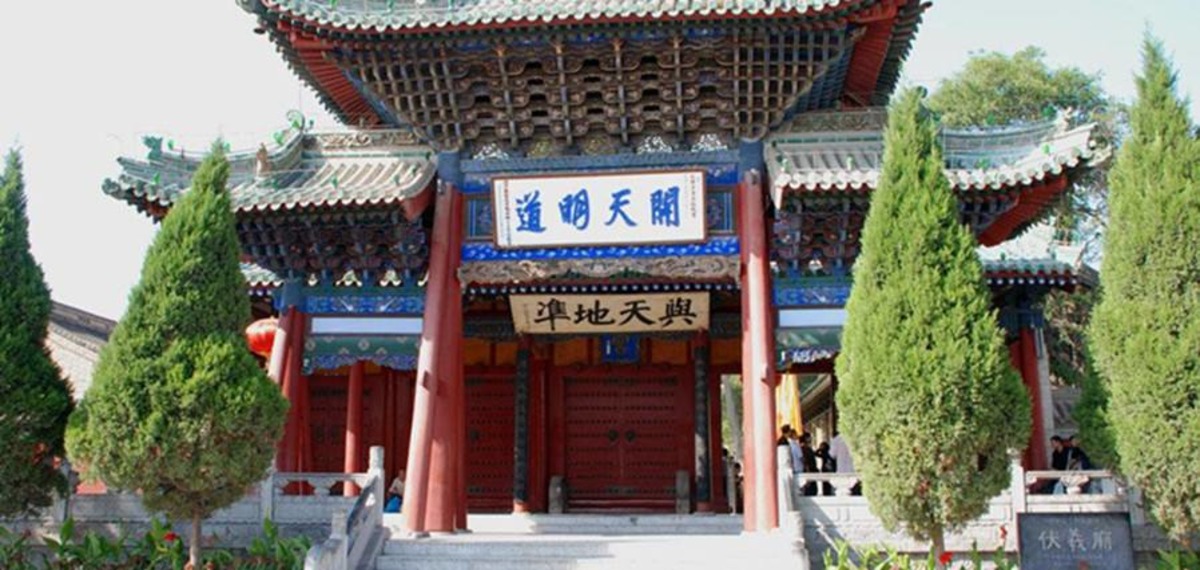
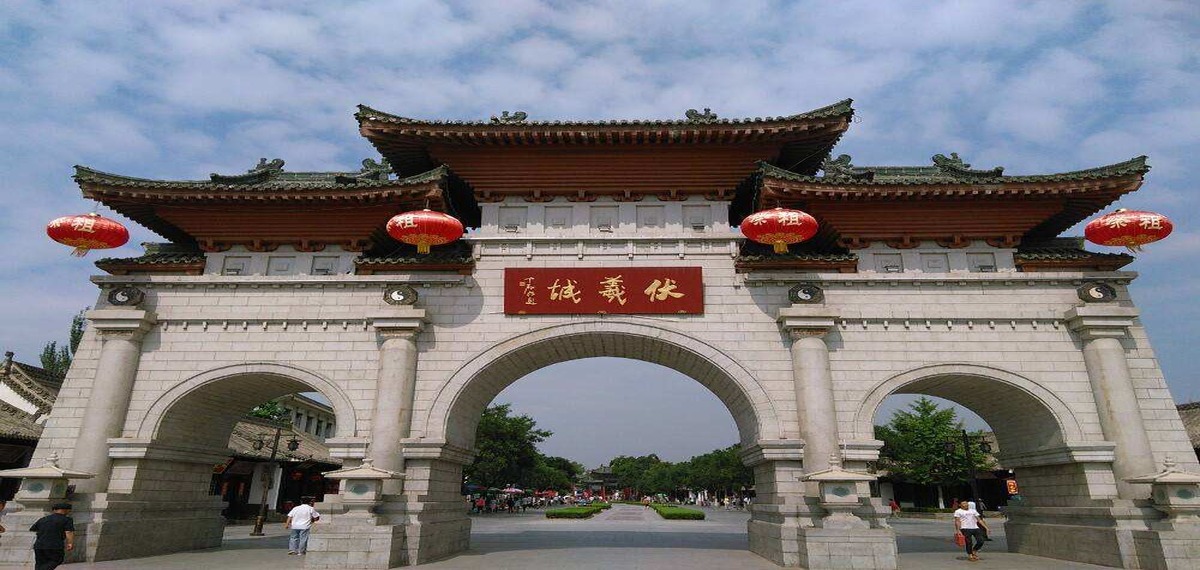
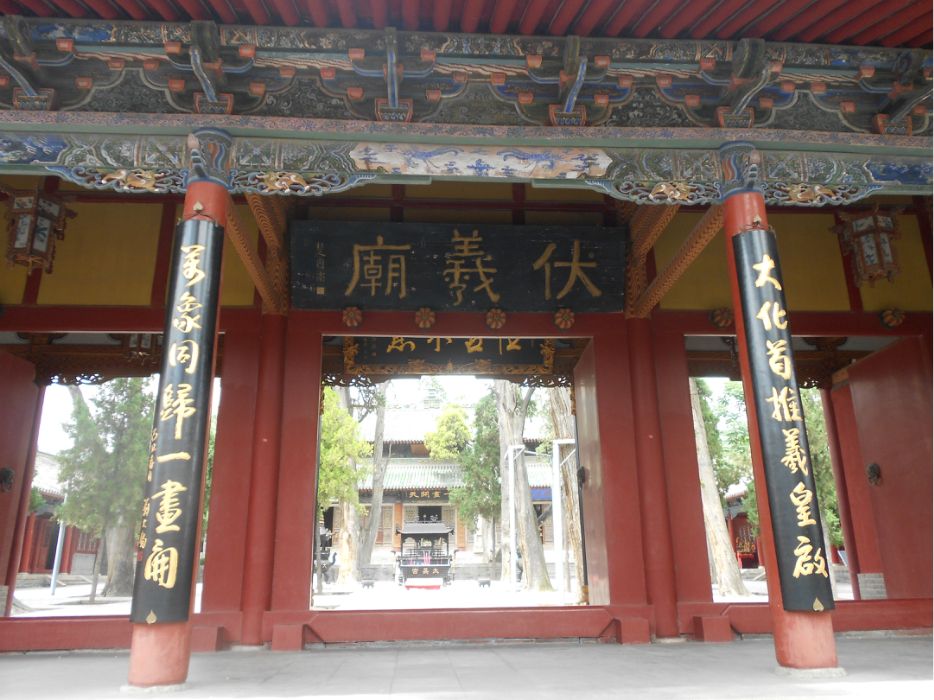
After breakfast, visit Fuxi Temple, one of Tianshui’s most important historical and cultural landmarks. Originally known as Taihao Palace and locally called Renzong Temple, it is dedicated to Fuxi, a legendary figure traditionally regarded in Chinese culture as one of the ancestors of the Chinese people.
The temple was first constructed during the Ming Dynasty in the late 15th century and underwent several renovations during the following centuries. Its traditional courtyards, halls, and architectural details provide an interesting introduction to Chinese history and folk traditions. Fuxi Temple was designated a National Key Cultural Relic Protection Unit in 2001.
Continue to a local folklore museum, where you can learn about traditional customs and everyday life in the Tianshui region. Exhibits and displays introduce local traditions such as birthday celebrations, wedding customs, traditional study rooms, paper-cutting, embroidery, and other forms of folk craftsmanship.
After the visit, your guide will accompany you back to the railway station for your train to Lanzhou. Upon arrival, transfer to Lanzhou Airport for your flight home or onward journey, concluding your 2-day exploration of Tianshui’s Buddhist heritage, ancient culture, and local traditions.

|
Tour Season / |
1 Pax |
2-3 pax |
4-5 Pax |
6-9 Pax |
|
All Year |
$ 1280.00 |
$680.00 |
$400.00 |
$330.00 |
Service package includes:
1. One night accommodation in Tianshui.
2. Lanzhou pick-up and drop-off.
3. Air-conditioned tour vehicle.
4. English Speaking tour guide.
5. Entrance tickets for Maiji Mountain and Fuxi Temple.
6. Round high-speed railway tickets from Tianshui to Maiji Mountain.
Service package excludes:
1. Meals during your visit.
2. Tips to the guide and driver.
1. One night accommodation in Tianshui.
2. Lanzhou pick-up and drop-off.
3. Air-conditioned tour vehicle.
4. English Speaking tour guide.
5. Entrance tickets for Maiji Mountain and Fuxi Temple.
6. Round high-speed railway tickets from Tianshui to Maiji Mountain.
Service package excludes:
1. Meals during your visit.
2. Tips to the guide and driver.
If you require, we can book hotels in Chengdu, and make private airport and city tour necessary.
Are you interested in this itinerary? Send us a message and let us help you plan and book your China vacation based on this sample. Response within 24 hours. Contact our Travel Consultant.
Are you interested in this itinerary? Send us a message and let us help you plan and book your China vacation based on this sample. Response within 24 hours. Contact our Travel Consultant.