




search for a Trip
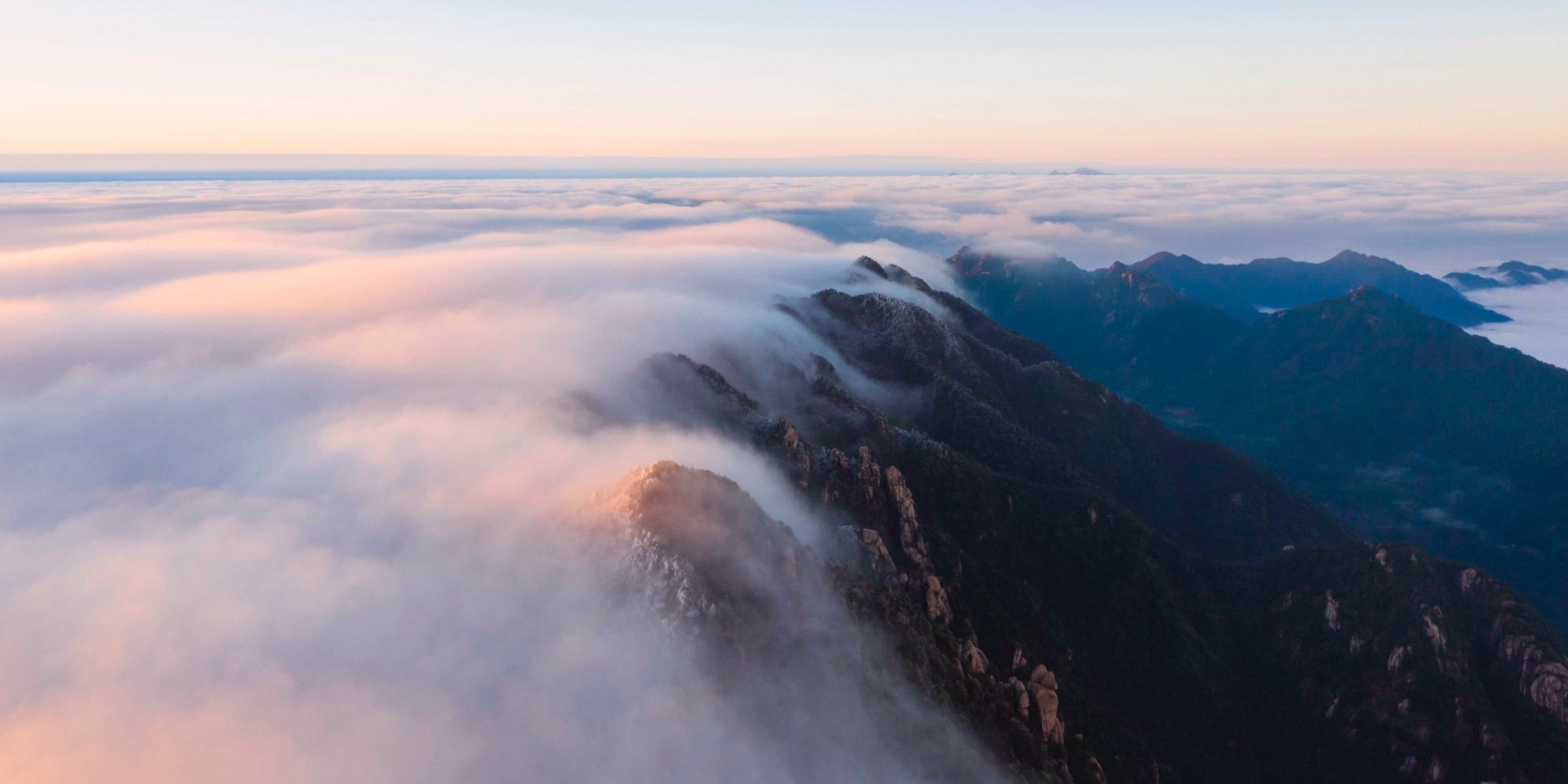 Mount Jiuhua (Jiuhuashan), located in Qingyang County, Chizhou City, Anhui Province, is one of the Four Sacred Buddhist Mountains of China and one of the country’s most important pilgrimage destinations. Known as the “No. 1 Mountain in Southeast China,” it is celebrated for its magnificent peaks, tranquil scenery, and rich Buddhist heritage. Originally called Jiuzi (Nine Peaks) Mountain because its nine main summits resemble brothers standing side by side, it is traditionally regarded as the sacred bodhimaṇḍa of Kṣitigarbha (Dizang) Bodhisattva, who symbolizes great compassion, filial piety, and perseverance in Chinese Buddhism.
With Huacheng Temple at its spiritual center, Mount Jiuhua is home to more than 80 Buddhist temples and monasteries. Among the most famous are Huacheng Temple, Dongya (East Cliff) Temple, Ganlu (Sweet Dew) Temple, Baisui Palace (Centenarian Palace), and Zhiyuan Temple (Gion Temple). Huacheng Temple, originally founded during the Tang Dynasty, is regarded as the oldest and most important temple on the mountain. It became closely associated with Kim Gyo-gak (Jin Qiaojue), a prince of the ancient Korean kingdom of Silla who devoted his life to Buddhist practice on Mount Jiuhua and was later honored as the earthly manifestation of Kṣitigarbha Bodhisattva.
The mountain’s historic temples reflect centuries of Buddhist architecture, religious traditions, and cultural heritage. Highlights include Dongya Temple, an important center for Buddhist study; Ganlu Temple, famous for its peaceful setting and historical legends; Baisui Palace, known for preserving the gilded body of the revered monk Wuxia; and Zhiyuan Temple, the largest temple complex on Mount Jiuhua. Visitors can also explore many other historic temples, including Tiantai Temple, Yuetan (Moon) Temple, Huiju Temple, Cuifeng Temple, and Chaoyin Hermitage, making Mount Jiuhua a unique destination for Buddhist culture, history, and natural beauty.
China Attractions Guide
- Anhui Attractions
- Beijing Attractions
- Chongqing Attractions
- Fujian Attractions
- Gansu Attractions
- Guangdong Attractions
- Guangxi Attractions
- Guizhou Attractions
- Hainan Attractions
- Henan Attractions
- Hongkong Attractions
- Hubei Attractions
- Hunan Attractions
- Heilongjiang Attractions
- Inner Mongolia Attractions
- Jiangsu Attractions
- Jilin Attractions
- Jiangxi Attractions
- Liaoning Attractions
- Manchuria Attractions

