



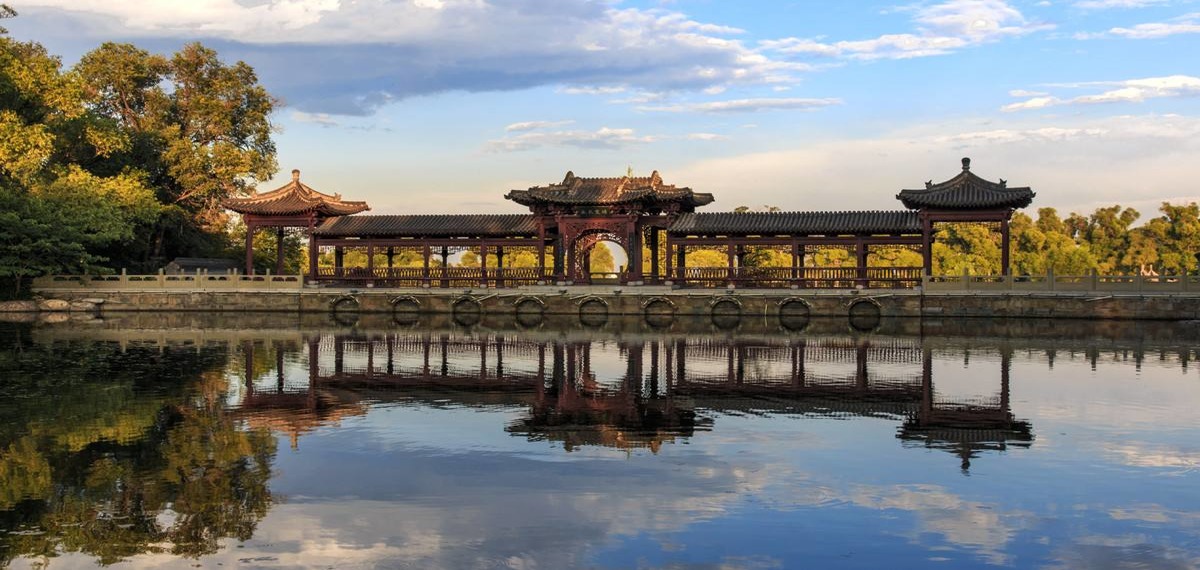
jin-memorial-temple
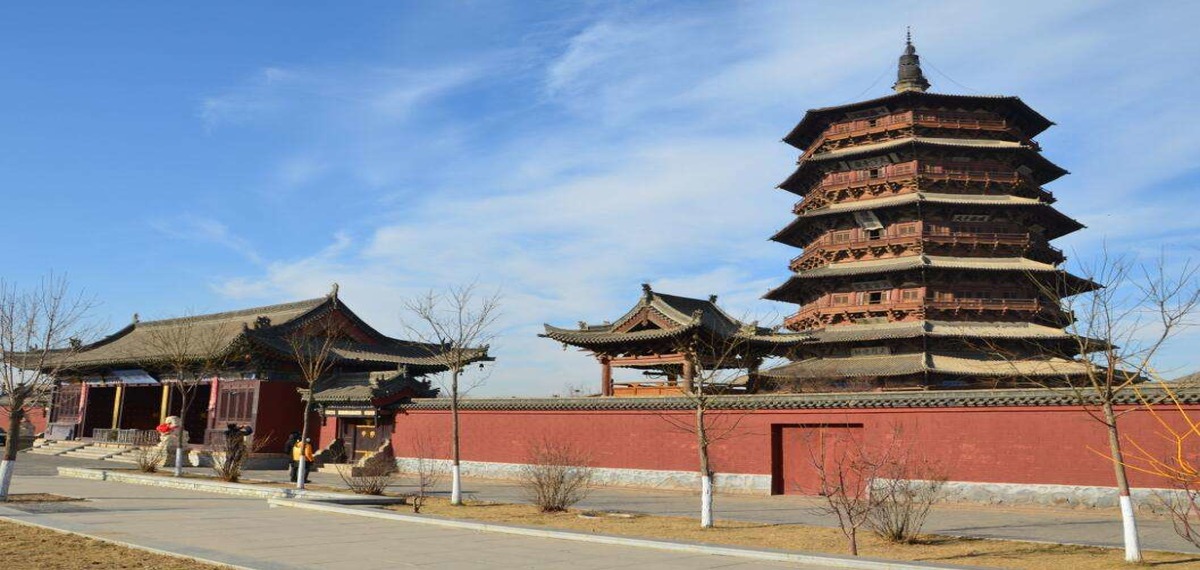
yingxian-buddha-tower
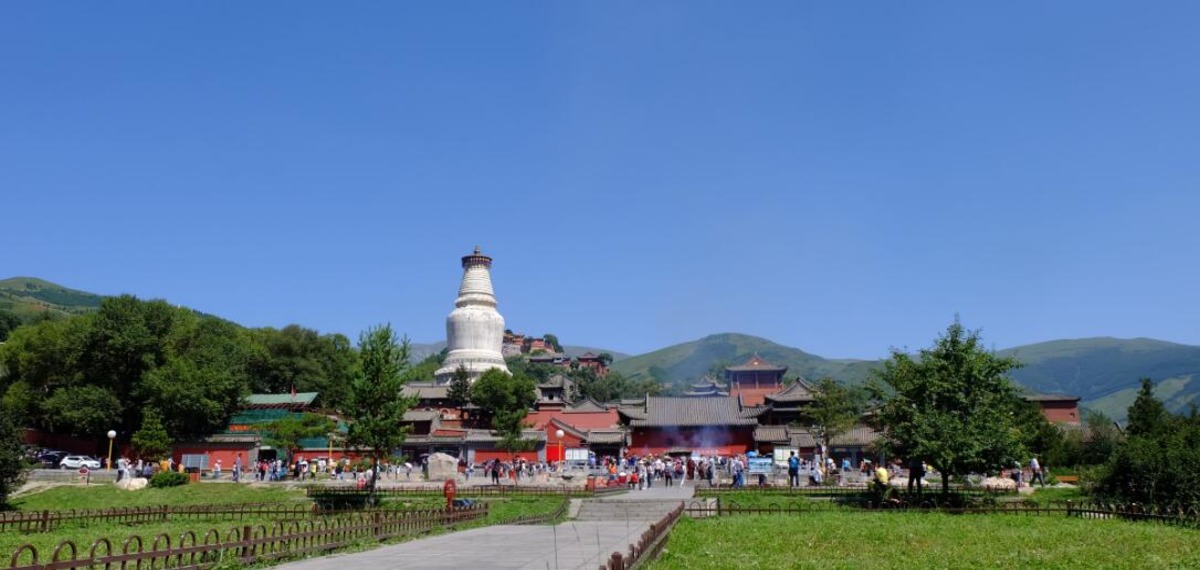
mt-wutai
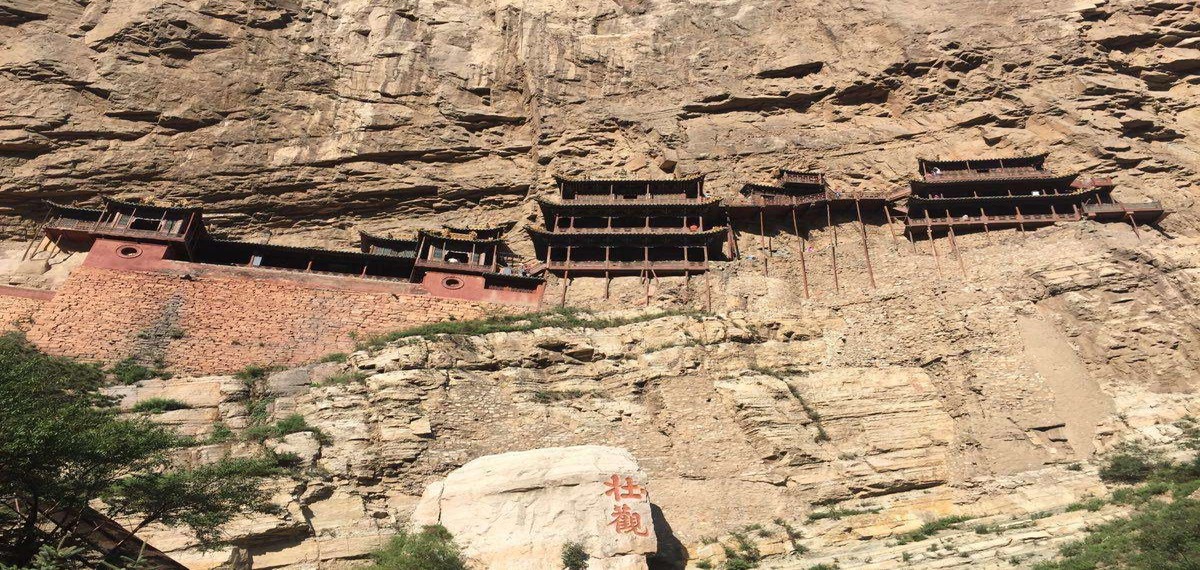
Xuankong Temple
Datong and Mount Wutai Five-day Tour
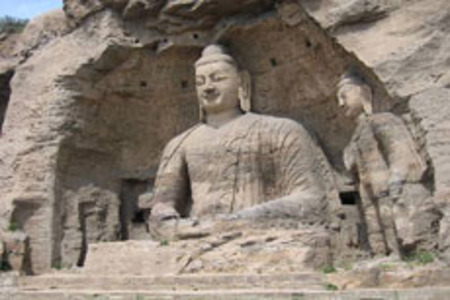
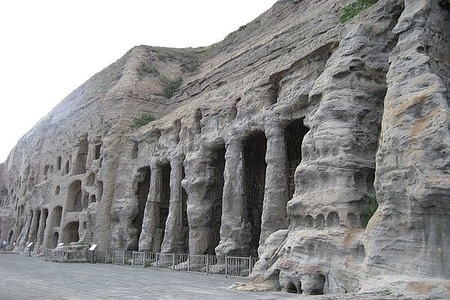
The three main sites in China that are famous for their stone sculpture are Dunhuang, Longmen and Yungang. Among these, the Yungang grottoes are considered first among equals, for their tremendous size, ancient history, and relatively complete state of preservation.
The Xuankong Temple, Xuangkong in Chinese means hanging in the air. It was elected as one of the world unstable architectures in Time. Besides, it is the only temple mixing of buddhism, Taoism and Confucianism existing now.
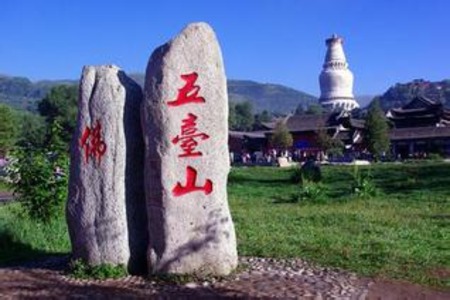
Mount Wutai is the head of China's four famous mountains of Buddhism; the other three are Mount Putuo in Zhejiang province, JiuHua Mountains in Anhui province and Mount Emei in Sichuan province. It is also one of the five world holy lands of Buddhism; the other four are Lumpini in Nepal, Sarnath, Buddha-gaya and Kushinagar in India. On the top of the mountain, you can see the main landform in Shanxi province—the loess plateau. Besides, there are five summits on its top, maybe this is why the mountain names wutai.
The Xuankong Temple, Xuangkong in Chinese means hanging in the air. It was elected as one of the world unstable architectures in Time. Besides, it is the only temple mixing of buddhism, Taoism and Confucianism existing now.
Mount Wutai is the head of China's four famous mountains of Buddhism; the other three are Mount Putuo in Zhejiang province, JiuHua Mountains in Anhui province and Mount Emei in Sichuan province. It is also one of the five world holy lands of Buddhism; the other four are Lumpini in Nepal, Sarnath, Buddha-gaya and Kushinagar in India. On the top of the mountain, you can see the main landform in Shanxi province—the loess plateau. Besides, there are five summits on its top, maybe this is why the mountain names wutai.
from
$900.00
Duration: 5 Days
Tour Code: CE-DT-5D01
Departure Date: Every Day
Tour Attractions:Yungang Grottoes, Xuankong Temple, Yingxian Buddha Tower, Mt Wutai, Jin Memorial Tower
Feature:Historic Sites
Tour Type: /English speaking guide + driver + meals + hotel
Tour Code: CE-DT-5D01
Departure Date: Every Day
Tour Attractions:Yungang Grottoes, Xuankong Temple, Yingxian Buddha Tower, Mt Wutai, Jin Memorial Tower
Feature:Historic Sites
Tour Type: /English speaking guide + driver + meals + hotel
D1: Arrive in Datong
Arrive in Datong and meet your local guide. You will be transferred to your hotel and assisted with check-in. The rest of the day is free for you to rest and prepare for the sightseeing ahead.
D2: Yungang Grottoes / Xuankong Temple (Lunch)
Your Datong sightseeing begins this morning with a visit to the magnificent Yungang Grottoes, one of China’s most important Buddhist grotto complexes. Together with the Mogao Grottoes in Dunhuang and the Longmen Grottoes in Luoyang, Yungang is among the country’s finest examples of ancient Buddhist rock-cut art.
Dating back more than 1,500 years, the Yungang Grottoes are renowned for their impressive scale, exquisite stone sculptures, ancient history, and relatively well-preserved grottoes. Explore the caves and admire the remarkable collection of Buddhist statues and carvings created during the Northern Wei Dynasty.
After lunch, continue to Xuankong Temple, also known as the Hanging Monastery. Built dramatically against the cliffs of Mount Heng, the temple appears to hang above the valley, creating one of the most spectacular architectural scenes in northern China. The name “Xuankong” means “hanging in the air” in Chinese.
The temple is particularly remarkable for bringing together elements of Buddhism, Taoism, and Confucianism within a single complex. Its cliffside construction, wooden structures, and breathtaking setting make it one of the most fascinating historic sites in Shanxi.
In the late afternoon, return to your hotel in Datong.
D3: Yingxian Wooden Pagoda / Mount Wutai (Lunch & Dinner)
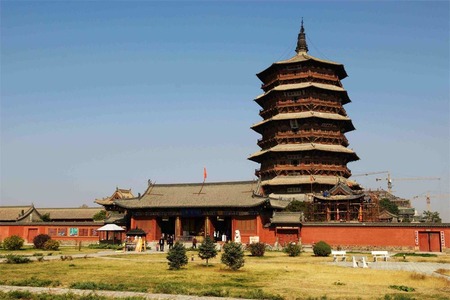
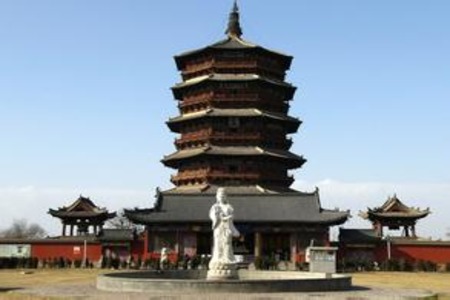
After breakfast, drive to Yingxian County to visit the famous Yingxian Wooden Pagoda, also known as the Fogong Temple Pagoda. Built in 1056 during the Liao Dynasty, it is one of the oldest and tallest surviving wooden pagodas in China.
The pagoda stands approximately 67.31 meters high, with an octagonal base measuring about 30.27 meters in diameter. Its remarkable wooden structure was constructed using traditional timber-frame techniques and is renowned for its sophisticated engineering and architectural design.
After exploring the pagoda, continue your journey to Mount Wutai, one of the most important Buddhist pilgrimage destinations in China. Upon arrival, check in to your hotel and enjoy dinner.
D4: Mount Wutai (Lunch & Dinner)
Today, explore Mount Wutai, one of the Four Sacred Buddhist Mountains of China, together with Mount Putuo in Zhejiang, Mount Jiuhua in Anhui, and Mount Emei in Sichuan.
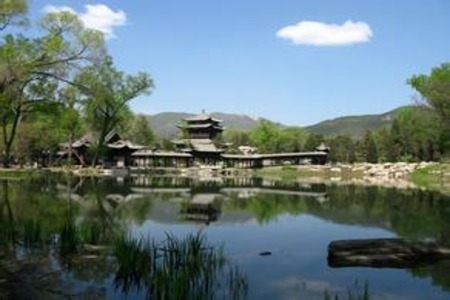
Mount Wutai is also recognized as an important Buddhist sacred site and is famous for its five distinctive mountain peaks, which surround a central area and give the mountain its name, “Wutai,” meaning “Five Terraces.”
Spend the day exploring the mountain’s scenic landscapes and Buddhist temples. Depending on the route and conditions, you can enjoy a hike through the mountain area while discovering its unique combination of natural scenery, ancient architecture, and religious heritage.
From the higher areas of Mount Wutai, you can also enjoy expansive views across the surrounding landscape of Shanxi, including the characteristic Loess Plateau scenery.
D5: Jinci Temple in Taiyuan / Beijing (Lunch)
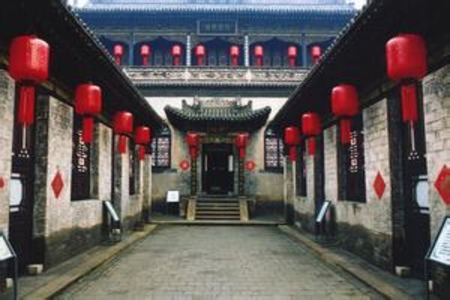
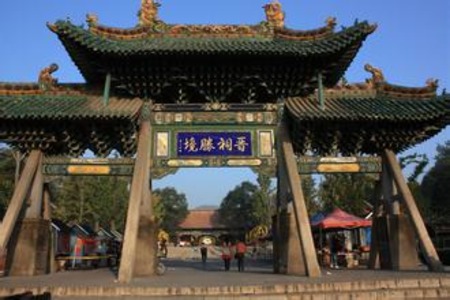
Today, drive to Taiyuan to visit Jinci Temple, one of the city’s most important historical and cultural attractions. The temple complex commemorates Prince Ji of Jin and his mother, and its history stretches back more than a thousand years.
Surrounded by beautiful trees and gardens, Jinci Temple features a remarkable collection of historic buildings, sculptures, murals, and stone inscriptions. The complex combines traditional architecture, landscape design, religious heritage, sculpture, and ancient inscriptions, making it an excellent place to appreciate the history and culture of Shanxi.
After visiting Jinci Temple, transfer to the railway station and take a high-speed train to Beijing, where your tour ends.

|
Tour Season / |
1 Pax |
2-3 Pax |
4-5 Pax |
6-9 Pax |
|
All Year |
$2520.00 |
$1560.00 |
$1360.00 |
$900.00 |
Price Inclusions and Exclusions:
Our prices included:
1. Entrance tickets: The tickets of all the scenic spots listed above.
2. Guide. An English speaking guide will be provided, who will accompany you from the start of tour to end of tour.
3. Private Transfers during tour. Our guide and driver will pick-up you at your hotel on time and drop-off you after the tours. And an air-conditioned vehicle will be provided during the tour.
4. Hotel. Provide 4 nights’ hotel, 4 star level hotels. Every two people share one room.
5. Service Charge & Government Taxes.
6. 8 meals, lunched and dinners.
7. Insurance. We provide a free insurance of accident and casualty for each traveler. The highest refund is RMB 300000.00. Detailed terms please view our contract with Ping An of China.
Our prices not included :
1. The tips to the driver and guide.
2. Your personal expenses.
3. Anything not mentioned.
If you require, we can book hotels in Chengdu, and make private airport and city tour necessary.
Are you interested in this itinerary? Send us a message and let us help you plan and book your China vacation based on this sample. Response within 24 hours. Contact our Travel Consultant.
Are you interested in this itinerary? Send us a message and let us help you plan and book your China vacation based on this sample. Response within 24 hours. Contact our Travel Consultant.