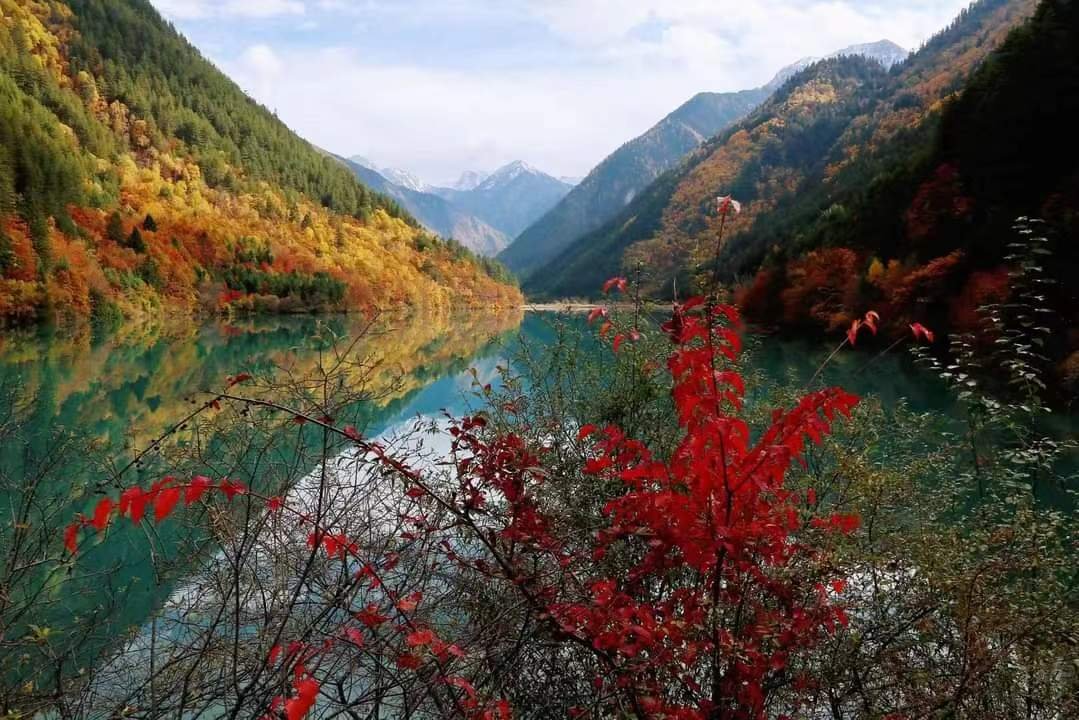
 Located about 16 kilometers south of Yingtan City in Jiangxi Province, Longhu Mountain (龙虎山, Mount Longhu) is one of China’s most fascinating cultural and natural destinations.
Famous as the birthplace of Taoism, Longhu Mountain combines spectacular Danxia landforms, peaceful rivers, ancient Taoist temples, and mysterious cliff tombs of the ancient Guyue people.
With its unique combination of religious heritage, natural beauty, and archaeological wonders, Longhu Mountain is an ideal destination for travelers seeking a quieter and more authentic experience in China.
The Birthplace of Taoism in China
Longhu Mountain has a history of more than 1,900 years and is regarded as one of the Four Sacred Mountains of Taoism.
According to Taoist traditions, Zhang Daoling, the founder of the Way of the Celestial Masters (Tianshi Dao), practiced Taoism and created important religious teachings here during the Eastern Han Dynasty.
The mountain was originally known as “Mount of Splendid Clouds” before being renamed Longhu Mountain, meaning “Dragon and Tiger Mountain,” due to its unique landscape and Taoist legends.
For centuries, Taoist believers have traveled here for pilgrimage, making Longhu Mountain one of the most important Taoist cultural sites in China.
Stunning Danxia Landscape and Luxi River Scenery
Beyond its religious significance, Longhu Mountain is famous for its magnificent natural scenery.
The mountain features a spectacular Danxia landform, characterized by:
* Red sandstone cliffs
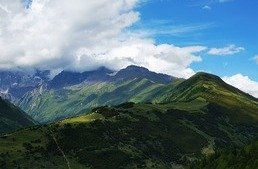
* Dramatic peaks and rock formations
* Deep valleys
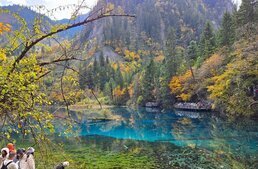
* Clear rivers and lush forests
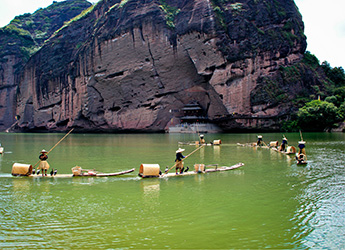
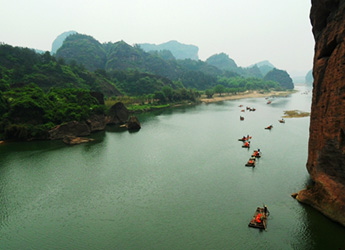
One of the best ways to appreciate the beauty of Longhu Mountain is by taking a traditional bamboo raft cruise along the Luxi River.
During the journey, visitors can enjoy a peaceful landscape of:
* Green river water
* Red mountain cliffs
* Blue skies and white clouds
* Picturesque countryside scenery
The combination of water and mountains creates one of the most beautiful river landscapes in Jiangxi Province.
 Tianshi Mansion: The Center of Taoist Culture
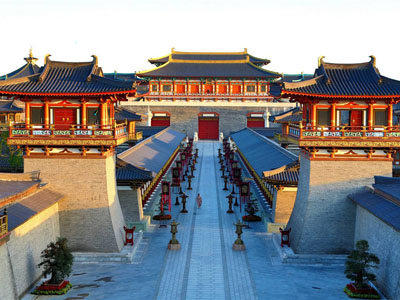
Longhu Mountain is home to the famous Tianshi Mansion (Celestial Master Mansion), one of the most important Taoist sites in China.
Located at the foot of the mountain, the mansion was the residence of generations of Celestial Masters and remains one of the best-preserved Taoist architectural complexes in the region.
Visitors can explore:
* Traditional Taoist buildings
* Ancient courtyards
* Religious artifacts
* Historical cultural sites
The peaceful atmosphere provides a deeper understanding of Taoist philosophy and Chinese religious traditions.
Ancient Cliff Tombs of the Guyue People
Another unique attraction of Longhu Mountain is the mysterious ancient cliff tombs of the Guyue people.
Dating back more than 2,500 years, these hanging coffins were placed inside natural caves on steep cliffs along the Luxi River.
Some tombs are located:
* Around 50 meters above the river surface
* Some more than 300 meters high on the cliffs
Because of their dangerous locations, large number, and unusual construction methods, the cliff tombs are often described as a “natural archaeological museum.”
The exact techniques used by the ancient people to place the coffins on the cliffs remain a mystery, making the site one of the most fascinating archaeological attractions in Jiangxi.
Visitors can also watch cultural performances demonstrating how ancient communities may have transported and placed the coffins on the cliffs.
Why Visit Longhu Mountain?
Longhu Mountain offers a rare combination of:
Spectacular Danxia mountain scenery
Deep Taoist cultural heritage
Peaceful Luxi River bamboo rafting
Historic temples and ancient architecture
Mysterious cliff tombs
Unlike many famous tourist destinations in China, Longhu Mountain remains relatively peaceful and less crowded, making it an excellent choice for travelers who want to escape busy city life.
Whether you are interested in Chinese philosophy, nature, photography, hiking, or cultural exploration, Longhu Mountain provides an unforgettable journey into the heart of Jiangxi.